

Unrequited love songs from the Showa era. Those nostalgic classics.

In this article, we introduce unrequited love songs from the Showa era.
If you spent your youth around the time these were released, you’ll likely find many nostalgic tracks.
You might even rediscover a song you listened to when you were in love and feel those forgotten emotions return.
Some are love songs that portray impossible romances and heartbreak, but if you’re looking for Showa-era unrequited love songs, be sure to give these a listen.
No matter your generation, if you’ve experienced love, you’re sure to find at least one song you can relate to.
- Tear-jerking unrequited love songs that will break your heart: timeless classics about unattainable love
- Showa-era love songs: A roundup of timeless love songs cherished across generations
- A heart-wrenching story that tightens the chest! A Showa-era unrequited love song
- Classic and popular songs about unrequited love
- Unrequited love songs of the Heisei era. Those nostalgic classic tunes.
- [Shōwa-Era Heartbreak Songs] Carefully selected timeless love classics adored across generations!
- [Unrequited Love] Heart-wrenching Love Songs | A Roundup of Tear-Inducing Crush and Breakup Tracks
- [J-Pop] A Collection of Unrequited Love Songs That Stay Close to Your Heart
- Classic and popular unrequited love breakup songs
- [Nostalgic Classics] Hit Japanese Love Songs from the 1980s
- Breakup songs recommended for people in their 80s: a collection of classic tracks that capture heartbreaking feelings
- [Songs of Infidelity] A collection of forbidden love songs about unattainable romance
- A roundup of classic Showa-era kayō songs: a comprehensive introduction to timeless tracks loved across generations.
Showa-Era Unrequited Love Songs: Those Nostalgic Classics (71–80)
spring hazeIwasaki Hiromi

Released in 1979, this is a poignant love song by Hiromi Iwasaki about spring.
The lyrics, which depict the moment of saying goodbye to a lover during the season when the cherry blossoms are about 60% in bloom, really resonate.
Iwasaki’s clear voice beautifully conveys the fleeting nature of spring and the stirrings of love.
The song was also featured on TBS’s “The Best Ten” and became beloved by many.
It’s a recommended track for those who look back fondly on a past romance with the arrival of spring.
Listening to it as the cherry blossoms begin to bloom may make it feel all the more moving.
TouchIwasaki Yoshimi

This is a song released in 1985, known as the theme song for the anime Touch.
It was also included on the album Touch, and gained popularity alongside other anime-related tracks.
The lyrics, which sing of the bittersweet feelings of youthful love and the importance of human connection, resonate with many listeners.
Combined with Yoshimi Iwasaki’s clear, pure vocals, it’s a track that makes hearts flutter.
It’s recommended not only for anime fans but also for anyone who wants to recall the innocence of first love.
hopeKishi Yoko

As one of the quintessential songs of the Showa era, it continues to be loved by many to this day.
The protagonist’s poignant longing as they journey in search of hope is conveyed through Yoko Kishi’s crystal-clear vocals.
Released in 1970, the song was featured in a segment of the variety show “Matsuri da! Wasshoi!” and captured viewers’ hearts.
In 1971, it was also selected as the entrance march for the 43rd National High School Baseball Invitational Tournament, demonstrating its significant social impact.
Depicting the pursuit of a first love, this song is perfect for those standing at life’s crossroads or reminiscing about someone dear.
Please take a moment to listen to its heartfelt lyrics.
MUGO… so sexyKudō Shizuka

This is a striking song featuring lyrics that depict the emotions of a woman carrying feelings she can’t put into words.
Released in August 1988, it was also used as the promotional image song for Kanebo’s ’88 autumn campaign.
It conveys the importance of nonverbal communication and skillfully portrays the passionate emotions held within.
Shizuka Kudo’s vocals and Miyuki Nakajima’s lyrics blend beautifully, resulting in a track filled with deep emotion.
It’s a moving masterpiece that I’d recommend to anyone harboring unspoken feelings or struggling with love.
The last spring breakMatsutōya Yumi

This song delicately portrays the bittersweet feelings before a farewell.
Included on the album “OLIVE,” released in July 1979, it features Yumi Matsutoya’s warm vocals and melodies that resonate deeply.
Listening to it in the spring sunshine may bring back memories of student days just before graduation.
In 1991, it was adapted into a TBS drama, “Rouge no Dengon,” and it remains a beloved classic across generations.
It’s especially recommended when you want to recall the tender loves of your youth or when you’re facing a parting with someone important.
Pink Unrequited LoveMatsuura Aya
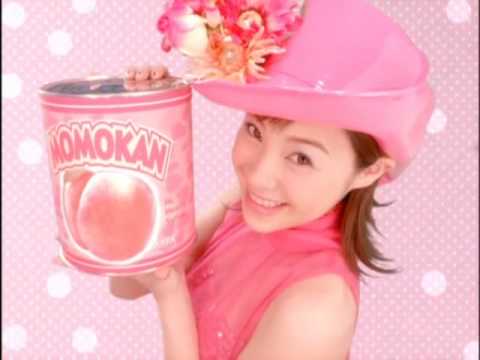
It’s a crush song packed with the warm, super-cute feelings of a girl with unrequited love.
It’s adorable how their eyes meet, and how the person she likes even appears in her dreams.
Ayaya’s cute choreography is often imitated, too.
Sweet MemoriesMatsuda Seiko

When it comes to iconic songs of the Showa era, many people probably think of this one by Seiko Matsuda.
Released in August 1983, it was originally a B-side, but it shot to fame after being featured in a Suntory CAN Beer commercial.
The gentle melody pairs beautifully with Matsuda’s clear vocals, and if you take your time to listen, it’s sure to soothe the fatigue of the day.
The lyrics, which trace the memories of a bittersweet love, are something anyone can relate to.
It’s said to be one of Seiko Matsuda’s personal favorites and is often performed at her concerts and dinner shows.