

Unrequited love songs from the Showa era. Those nostalgic classics.

In this article, we introduce unrequited love songs from the Showa era.
If you spent your youth around the time these were released, you’ll likely find many nostalgic tracks.
You might even rediscover a song you listened to when you were in love and feel those forgotten emotions return.
Some are love songs that portray impossible romances and heartbreak, but if you’re looking for Showa-era unrequited love songs, be sure to give these a listen.
No matter your generation, if you’ve experienced love, you’re sure to find at least one song you can relate to.
- Tear-jerking unrequited love songs that will break your heart: timeless classics about unattainable love
- Showa-era love songs: A roundup of timeless love songs cherished across generations
- A heart-wrenching story that tightens the chest! A Showa-era unrequited love song
- Classic and popular songs about unrequited love
- Unrequited love songs of the Heisei era. Those nostalgic classic tunes.
- [Shōwa-Era Heartbreak Songs] Carefully selected timeless love classics adored across generations!
- [Unrequited Love] Heart-wrenching Love Songs | A Roundup of Tear-Inducing Crush and Breakup Tracks
- [J-Pop] A Collection of Unrequited Love Songs That Stay Close to Your Heart
- Classic and popular unrequited love breakup songs
- [Nostalgic Classics] Hit Japanese Love Songs from the 1980s
- Breakup songs recommended for people in their 80s: a collection of classic tracks that capture heartbreaking feelings
- [Songs of Infidelity] A collection of forbidden love songs about unattainable romance
- A roundup of classic Showa-era kayō songs: a comprehensive introduction to timeless tracks loved across generations.
Showa-Era Unrequited Love Songs: Those Nostalgic Classics (41–50)
Lips NetworkOkada Yukiko

A signature song by Yukiko Okada with lyrics by Seiko Matsuda and music by Ryuichi Sakamoto, expressing a sweet yet heartrending love.
It captures the feelings of a woman who is both forward and cautious, brought to life by a pure, graceful voice that truly moves the listener.
Used as Shiseido’s spring campaign CM song in January 1986, the track debuted at No.
1 on the Oricon Weekly Singles Chart.
Blending maidenly sentiment with a modern sound, it stands as an emblematic piece of the 1980s.
Recommended for those who want to relate to the feeling of being in love or who are interested in Showa-era idol pop.
Unrequited Love Songs from the Showa Era: Those Nostalgic Classics (51–60)
A One-Night LoveKudō Shizuka

A gem of a ballad that expresses bittersweet love from a mature perspective.
In this one-night tale woven from frailty and passion, Shizuka Kudo’s sultry vocals leave a lingering afterglow.
Released in December 1988, the song was chosen as the image song for the Hakone Open-Air Museum.
Its melody by Tsugutoshi Goto deftly captures rising emotion, while Goro Matsui’s lyrics portray adult romance with exquisite balance.
Immediately after release, it topped the Oricon Singles Chart for two consecutive weeks and ranked sixth on the year-end chart.
With its subdued atmosphere and world of wistful, grown-up love, it’s the perfect track for nights when you want to bask in memories of romance.
Love MemoryMatsuzaki Shigeru
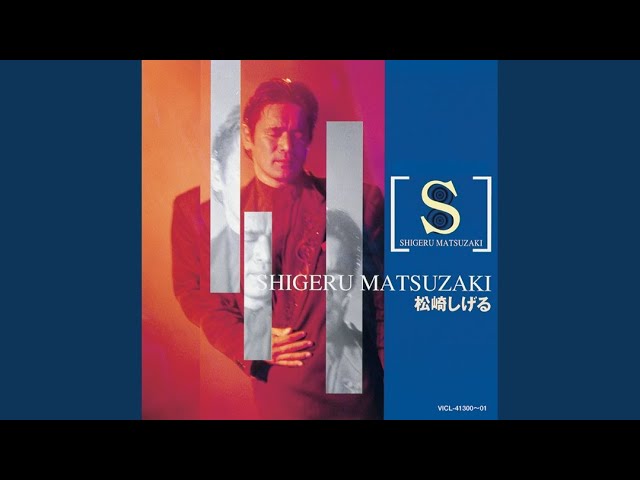
This is a gem of a love ballad sung by Shigeru Matsuzaki.
The lyrics, celebrating deep affection and the joy of life, overflow with a pure vow of eternal love.
Released in August 1977, it became a major talking point as the theme song for Glico Almond Chocolate, starring Tomokazu Miura and Momoe Yamaguchi in the commercial.
That same year, Matsuzaki made his first appearance on NHK’s Kōhaku Uta Gassen, and the following year the song was selected as the entrance march for the 50th National High School Baseball Invitational Tournament.
It’s a piece you’ll want to listen to while reflecting on those irreplaceable memories of love that everyone experiences at least once.
Sweet MemoriesMatsuda Seiko

When it comes to iconic songs of the Showa era, many people probably think of this one by Seiko Matsuda.
Released in August 1983, the song originally appeared as a B-side, but it quickly became famous after being featured in a Suntory CAN Beer commercial.
Its gentle melody pairs beautifully with Matsuda’s clear vocals, and if you take your time and listen closely, it’s sure to soothe the fatigue of the day.
The lyrics, which recount the memories of a bittersweet romance, are something anyone can relate to.
It’s said that this is one of Seiko Matsuda’s personal favorites, and it is often performed at her concerts and dinner shows.
I Want to See You ~Missing You~Matsuda Seiko

A gemlike love ballad that sings of the pain of heartbreak everyone experiences at least once and the longing for a reunion.
The tender, heartrending lyrics penned by Seiko Matsuda herself are etched deeply in the heart along with nostalgic memories.
Each time her sweet, soft voice rings out over the gentle melody, memories of a past lover come flooding back.
Released in April 1996, this song drew major attention as the ending theme for “Beat Takeshi’s TV Tackle” and as a Canon commercial song.
It’s the kind of nostalgic love song you’ll find yourself softly humming on nights when you recall the warmth of someone you once loved, immersing yourself in the feelings of those days.
Drinks for twoAzusa Michiyo

A bittersweet yet forward-looking breakup song about a couple choosing to end a cherished love.
Set to a gentle melody, it portrays the emotions of lovers who have resolved to part.
Released in March 1974, the song features lyrics by Michio Yamagami and music by Masayuki Hirao, and became a major hit, reaching No.
11 on the Oricon weekly chart.
Their promise to meet again and share drinks when they feel lonely conveys both gratitude for the memories they’ve built and hope for the future.
It’s a song that stays by your side when you want to overcome the pain of heartbreak and find a sense of calm.
Mysterious Peach PieTakeuchi Mariya

A spring song brimming with Mariya Takeuchi’s charm, depicting the fresh exhilaration of a budding romance.
The natural brilliance that colors the city further heightens the feelings of that moment you fall in love.
It gently captures the buoyant, fluttery sensation of an unexpected, delightful encounter arriving at just the right time.
Released in February 1980, the song reached No.
3 on the Oricon chart.
Chosen for Shiseido’s spring campaign and enhanced by Mitsuo Hagita’s light, airy arrangement, it caused quite a stir.
A perfect track for those who want to discover a new self with the arrival of spring, or to bask in bittersweet memories of young love.