


In this article, we introduce unrequited love songs from the Showa era.
If you spent your youth around the time these were released, you’ll likely find many nostalgic tracks.
You might even rediscover a song you listened to when you were in love and feel those forgotten emotions return.
Some are love songs that portray impossible romances and heartbreak, but if you’re looking for Showa-era unrequited love songs, be sure to give these a listen.
No matter your generation, if you’ve experienced love, you’re sure to find at least one song you can relate to.
- Tear-jerking unrequited love songs that will break your heart: timeless classics about unattainable love
- Showa-era love songs: A roundup of timeless love songs cherished across generations
- A heart-wrenching story that tightens the chest! A Showa-era unrequited love song
- Classic and popular songs about unrequited love
- Unrequited love songs of the Heisei era. Those nostalgic classic tunes.
- [Shōwa-Era Heartbreak Songs] Carefully selected timeless love classics adored across generations!
- [Unrequited Love] Heart-wrenching Love Songs | A Roundup of Tear-Inducing Crush and Breakup Tracks
- [J-Pop] A Collection of Unrequited Love Songs That Stay Close to Your Heart
- Classic and popular unrequited love breakup songs
- [Nostalgic Classics] Hit Japanese Love Songs from the 1980s
- Breakup songs recommended for people in their 80s: a collection of classic tracks that capture heartbreaking feelings
- [Songs of Infidelity] A collection of forbidden love songs about unattainable romance
- A roundup of classic Showa-era kayō songs: a comprehensive introduction to timeless tracks loved across generations.
Unrequited Love Songs from the Showa Era: Those Beloved Classics (1–10)
Taking shelter from the rainNEW!sadamasashi

Sadamasashi’s classic “Amayadori,” a massive hit from the early days of his solo career, was released as a single in March 1977 and became his first No.
1 on the Oricon charts.
Told from a woman’s perspective with a light, witty touch, it’s a heartwarming pure-love story about a man and woman who meet by chance while taking shelter from the rain, reunite later, and eventually marry.
The song overflows with Sada’s signature blend of humor and innocence, vividly conveying scenes and emotional shifts.
Unusual for the time, the single is a direct release of a live recording from January of the same year, complete with the audience’s warm laughter and the venue’s atmosphere.
Each listen wraps you in a gentle sense of happiness—perfect for thinking of someone dear, or for soothing your heart slowly on a rainy day.
Let’s get married.NEW!yoshida takurou

A masterpiece by Takuro Yoshida that transcends the framework of folk music, set to a light melody that portrays young people’s bright, free view of love.
Its warm world, expressing personal, everyday happiness straightforwardly without being bound by heavy circumstances, resonated with many young people at the time.
Released as a single in January 1972, it was taken from the previous year’s album “Ningen Nante” and became a historic, smash hit.
Years later, it continued to be cherished, even serving as a motif for a 2008 film bearing the same title as the song.
This work is perfect for couples dreaming of a future with their loved one.
Why not share that happy feeling by humming it together at karaoke?
I want to protect youNEW!Matsutōya Yumi
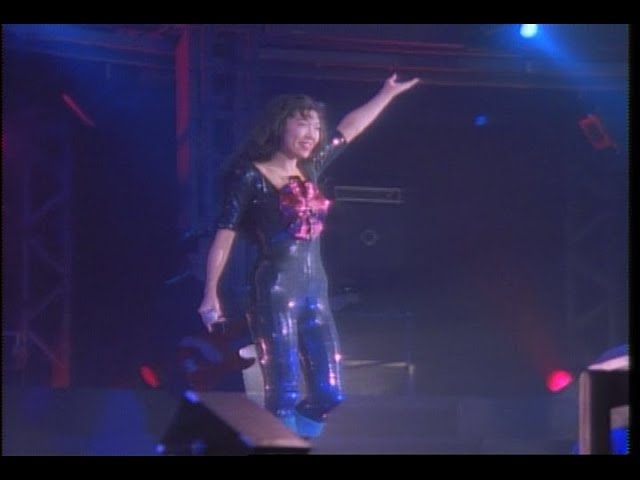
A song released by Yumi Matsutoya in 1981.
Chosen as the theme song for the Kadokawa film “The Aimed School,” it became a major hit and is one of the iconic classics of the Showa era.
As the title suggests, it sings of a profound love that gently envelops a cherished person, and a warm resolve to stay by their side while accepting one’s own weaknesses.
Its beautiful melody intertwined with Matsutoya’s tender, translucent vocals quietly soaks into the listener’s heart.
It’s a heartwarming track filled with universal kindness—one that makes you want to listen closely while thinking not only of romantic love, but also of the important people right in front of you, such as family and friends.
Goodbye to sorrowNEW!anzenchitai

From the moment it starts to play, Koji Tamaki’s warm voice gently seeps into your ears and your heart—an irresistibly charming track.
The calm melody woven by Anzenchitai, together with the plain yet profound words that stay close to someone in sorrow, slowly resonates in your chest.
Released in June 1985 as their ninth single, this song is also included on the classic album Anzenchitai IV.
It was featured in a Kirin Beer Aki Aji commercial and became a massive hit, reaching No.
1 on the Oricon charts.
With a universality that fits any kind of romance, it’s a must-listen for those in long-distance relationships or anyone feeling uneasy about their partner.
The song’s warm sound helps you truly believe in the small bonds you share with someone precious.
A Love Story in GinzaNEW!Yūjirō Ishihara · Junko Makimura

Set against a neon-lit, sophisticated cityscape, this quintessential Showa-era duet song portrays a sweet romance.
The captivating vocals of Yujiro Ishihara and Junko Makimura intertwine, beautifully conveying the urban night atmosphere and the subtle distance between the two.
Released in January 1961, it became a massive hit, officially selling over three million copies.
After being featured as an insert song in the film “Kaze ga Tsuyoi Hibi” (From Town to Town) released the same month, it later became the theme song of a film of the same name in March 1962.
This Showa classic makes listeners’ hearts race with the pure thrill of love.
I LOVE YOUOzaki Yutaka

Singer-songwriter Yutaka Ozaki, who won support as a voice representing the loneliness and struggles of youth.
This song is a ballad whose restrained piano melody contrasts with his intense rock image.
Its worldview—evoking the instability of love with no place to go and a desperate urge to escape—is conveyed through his gentle vocals.
Originally included on the album “Seventeen’s Map,” released in December 1983, it was later released as a single in March 1991.
It was also used in JR Tokai commercials and as insert music for the drama “From the North Country.” An enduring love song covered by numerous artists, it’s perfect for a quiet night with someone you love or for those who want to feel the warmth of a bittersweet romance.
Silhouette RomanceOhashi Junko

A classic ballad that portrays a mature romance with a hint of jazz.
Its standout feature is, above all, the sigh-like vocal delivery.
The way you ease off the voice and blend in breath defines the song’s atmosphere.
The overall range is F3 to C#5; while the chorus reaches some higher notes, you can generally sing it at a relaxed tempo in a composed manner.
If you sing too strongly from the start, you’ll lose contrast with the chorus, so keep the volume around 60% for the first verse.
In the chorus, you might feel tense, but prepare your voice and project it forward with clarity.
When hitting the high notes, think of climbing stairs step by step—this mindful approach helps you build momentum and reach them more easily!
