

Unrequited love songs from the Showa era. Those nostalgic classics.

In this article, we introduce unrequited love songs from the Showa era.
If you spent your youth around the time these were released, you’ll likely find many nostalgic tracks.
You might even rediscover a song you listened to when you were in love and feel those forgotten emotions return.
Some are love songs that portray impossible romances and heartbreak, but if you’re looking for Showa-era unrequited love songs, be sure to give these a listen.
No matter your generation, if you’ve experienced love, you’re sure to find at least one song you can relate to.
- Tear-jerking unrequited love songs that will break your heart: timeless classics about unattainable love
- Showa-era love songs: A roundup of timeless love songs cherished across generations
- A heart-wrenching story that tightens the chest! A Showa-era unrequited love song
- Classic and popular songs about unrequited love
- Unrequited love songs of the Heisei era. Those nostalgic classic tunes.
- [Shōwa-Era Heartbreak Songs] Carefully selected timeless love classics adored across generations!
- [Unrequited Love] Heart-wrenching Love Songs | A Roundup of Tear-Inducing Crush and Breakup Tracks
- [J-Pop] A Collection of Unrequited Love Songs That Stay Close to Your Heart
- Classic and popular unrequited love breakup songs
- [Nostalgic Classics] Hit Japanese Love Songs from the 1980s
- Breakup songs recommended for people in their 80s: a collection of classic tracks that capture heartbreaking feelings
- [Songs of Infidelity] A collection of forbidden love songs about unattainable romance
- A roundup of classic Showa-era kayō songs: a comprehensive introduction to timeless tracks loved across generations.
Showa-Era Unrequited Love Songs: Those Nostalgic Classics (71–80)
Blue Coral ReefMatsuda Seiko

A song set on a southern island that captures both the exhilaration and the fragility of love.
Its dreamy, synth-driven sound and familiar, catchy melody are distinctive.
Released in July 1980, it became a major hit as Seiko Matsuda’s second single.
It was also used in a commercial for Glico’s “Yorell” ice cream, making it widely beloved.
With a fresh atmosphere that evokes the beauty of blue coral reefs and lyrics that weave together bittersweet feelings of love, it’s perfect for reminiscing about summer memories or thinking of a lover far away.
Sake, Tears, Men, and WomenKawashima Eigo

A signature song by Eigo Kawashima that entrusts the melancholy of life to sake and tears.
Its lyrics, portraying both the strength and weakness of men, resonate deeply with listeners.
Released as a single in June 1976, it was featured in a commercial for Kizakura Brewery.
An anecdote says Kawashima wrote and composed it at age 18, inspired by the figure of his uncle, a story that speaks to the song’s profound depth.
The simple, emotive melody, influenced by folk music, conveys the nostalgic atmosphere of the Showa era to this day.
It’s a moving piece that offers solace to those who have experienced heartbreak or setbacks in life.
ambushIshikawa Hitomi

A signature work by Hitomi Ishikawa that seems to epitomize unrequited love in the Showa era.
Its lyrics, which portray a bittersweet yearning, and its memorable melody line linger in the heart.
Released on April 21, 1981 as her 11th single, it peaked at No.
6 on the Oricon charts.
That same New Year’s Eve, she made her first appearance on the Red and White Song Battle, making this song a turning point in her singing career.
Perfect for those who can relate to the ache of unrequited love and the single-minded devotion of a woman in love.
A nostalgic yet fresh track that brings back memories of love from those days.
Unrequited Love Songs of the Showa Era: Those Nostalgic Classics (’81–’90)
Elegy of SpringShōji Shirō

Shiro Shoji’s singing voice touches the heart—this is a classic that represents the Showa era.
The lyrics, which sing of lost love and the transience of spring, move many people.
It’s striking how the song uses falling blossoms as a symbol to express the sorrow of parting.
Released in 1934, the piece captivated listeners of the time and became a major hit.
Shoji’s distinctive vocal style blends beautifully with Yuji Koseki’s elegant melody.
Listening to this work, with its sense of poignancy and wistfulness, is sure to revive bittersweet memories of love that everyone has experienced at least once.
for you…Takahashi Mariko
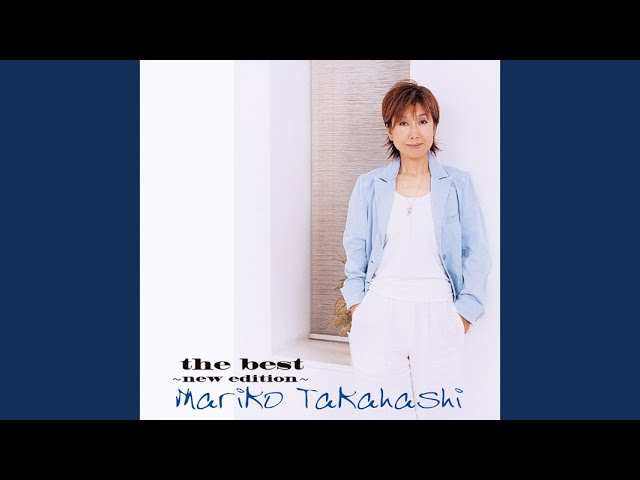
This song, which portrays deep love and bittersweet sorrow, continues to resonate in the hearts of many as a Showa-era classic.
Mariko Takahashi’s overwhelming vocal prowess and richly emotional expression stir the listener’s soul.
Released in March 1982 as her eighth single, it has remained beloved ever since.
It was performed as the Red Team’s finale at NHK’s Kohaku Uta Gassen in 2013 and 2017.
The lyrics, which reaffirm the value of love that is so easily lost, are perfect for those troubled by romance or wishing to convey their feelings to someone dear.
With words and melodies that pierce the heart, it will speak for your feelings.
letterHY
It’s a breakup song from a man’s perspective, and it feels like he’s still hung up on her.
As time has passed, he feels like the person he is now could have been the ideal partner for her—that part really resonated with me.
He believes he could make her happy now, but since that’s no longer possible, at the very least he hopes that when they meet again someday, they’ll both have become each other’s ideal.
Withered Susuki Grass of the Shōwa Erasakura to ichirō

Known as an iconic song of the Showa era, this piece features the memorable harmonies of Sakura and Ichiro, offering comfort to those who struggled through hard times.
Released by Polydor Records on July 21, 1974, it became a massive hit, selling 1.5 million copies.
Its popularity surged after being used as an insert song in the TBS drama “Jikan Desu yo: Showa Gannen,” and it topped the 1975 Oricon year-end charts.
The lyrics, depicting two people determined to overcome hardship together despite poverty and the coldness of society, resonated with many.
Weaving themes of love and parting, this work is perfect for anyone wishing to immerse themselves in Showa-era nostalgia.