

[Simple Riddles] A curated selection of fun questions that will excite everyone from kids to adults!

A must-see for anyone looking for wordplay riddles that adults can enjoy! In this article, we present intellectually witty riddles that will make you chuckle, in a fun quiz format.
From works that delight with clever wordplay to ones that make you pause and think.
Simple yet profound—enjoy the world of riddles.
These amusing riddles are perfect for sparking conversation during office breaks or at parties.
For a mental workout or as conversation starters, find your favorite riddles!
- Interesting riddles: a collection of simple and fun questions
- [Battle of Wits] Stimulate your intellectual curiosity! Quiz questions that get adults excited
- Easy Riddles for Elementary School Students
- [Trick Quiz] Quiz Questions That Excite Everyone from Kids to Adults
- [Brain Training] Difficult Riddles That Even Adults Struggle With
- Fun for kids and adults alike! Train your brain with easy riddles.
- Mental Workout: Casual Challenge! Riddles for Adults
- [Satisfying When Solved] Challenging Quizzes Recommended for Elementary School Students!
- Do you get tripped up too? A fun roundup of 10-time quiz questions
- A quiz that seems easy but is actually hard: trick questions that make you think flexibly
- Fun quizzes for elementary school kids: a collection of questions everyone can enjoy together
- Let's get excited with a two-choice quiz that everyone—from kids to adults—can enjoy!
- [Interesting] A collection of brain teaser quiz questions. Let's train your brain!
Food and Cooking Riddle Collection (1–10)
What do you get when you compare a ‘surname’ to ‘sweet desserts’? What’s the punchline?

See the answer
Has a lot of Sato (Sato/Sugar)
In Japanese surnames, there are many people named “Sato,” and when it comes to sweet desserts, there’s a lot of “sugar,” right?

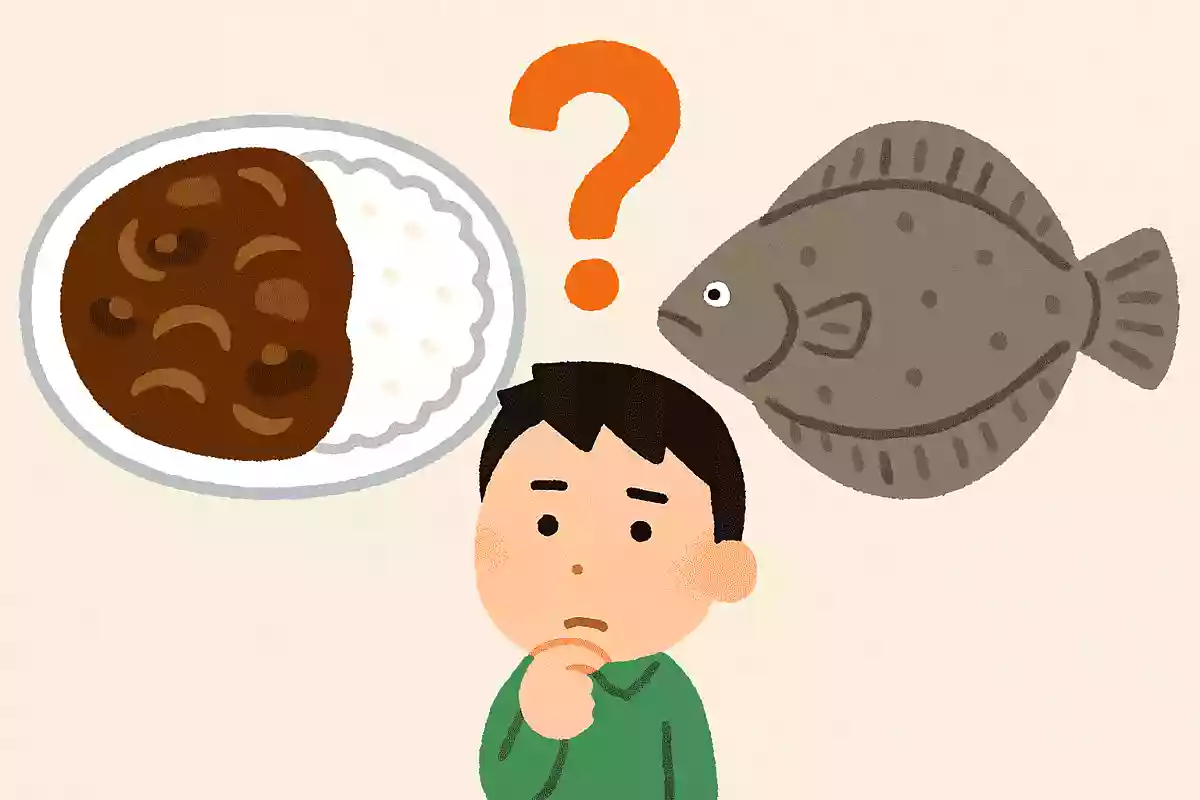
What do you get when you connect “hayashi rice” and “a flounder”? The punchline is…?
See the answer
It is not curry (kare) or flatfish (karei).
Hayashi rice and curry, flounder and flatfish—both pairs look quite similar, but they’re different things, aren’t they?
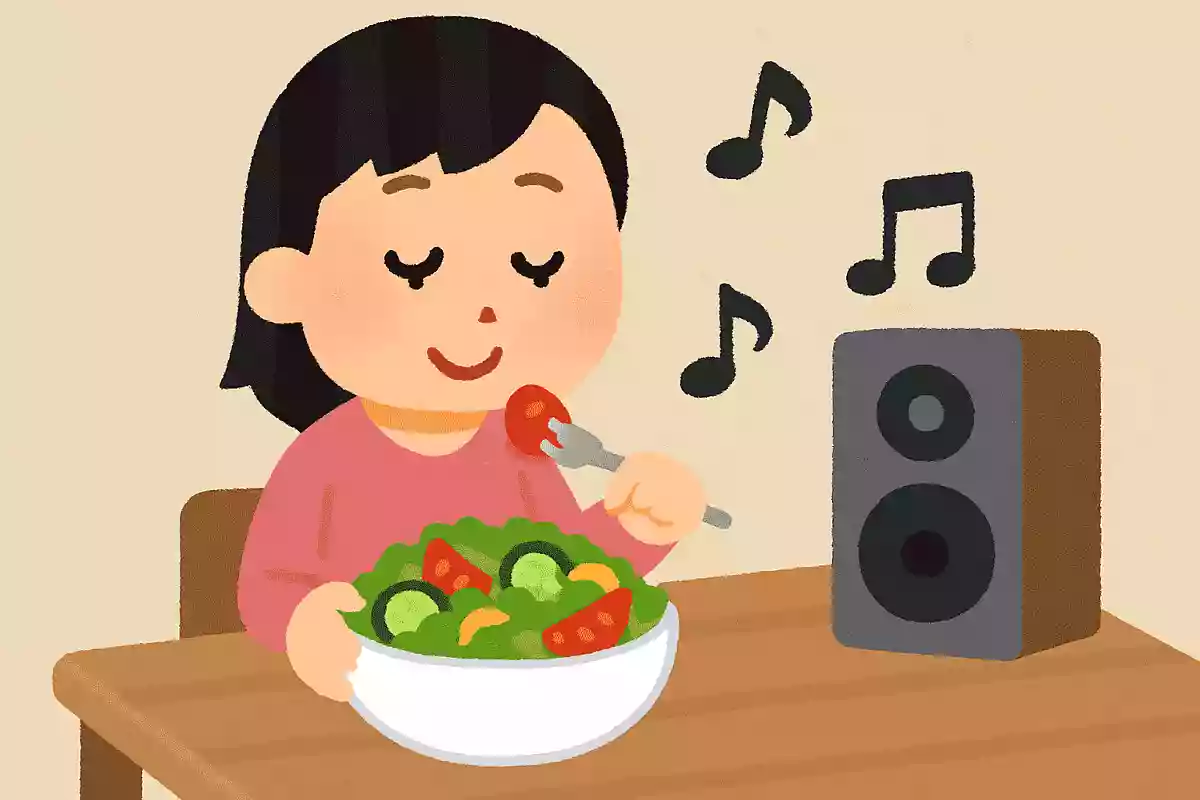
What do you get when you compare “salad” to “background music”? What’s the punchline?
See the answer
I'm not sure what to put on it.
It's hard to decide, isn't it—what dressing to put on a salad, and what music to play as background during studying or at an event.
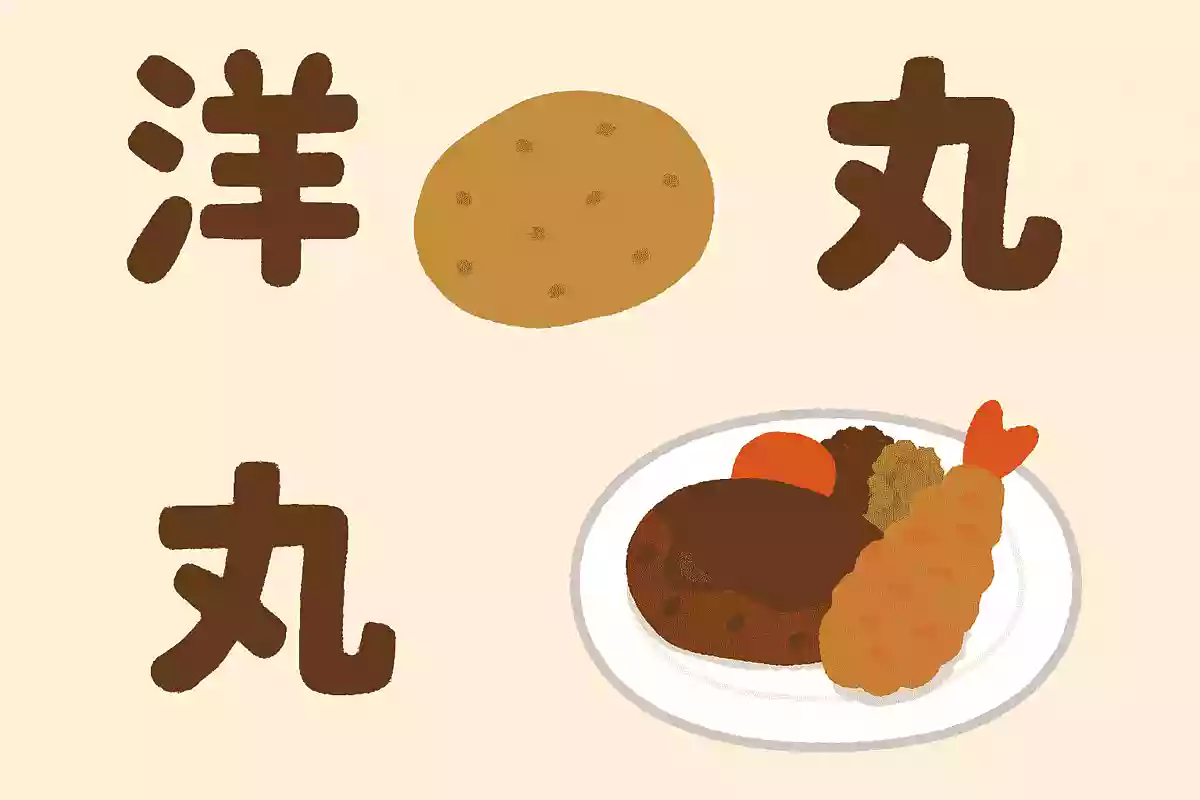
What do you get when you compare ‘Western-style cuisine’ to ‘a circle’? The punchline is?
See the answer
There are no chopsticks / There is no edge.
If you think of something that Western food and round shapes have in common, the answer might come to you more easily. The answer is that neither has hashi (chopsticks/edges). Western cuisine uses knives, forks, and spoons, not chopsticks. A round shape, as the name suggests, is rounded, so it has no edges. By the way, it’s said that about 28 percent of people worldwide use chopsticks when eating. In countries like Japan, South Korea, North Korea, China, and Singapore, people eat with chopsticks.

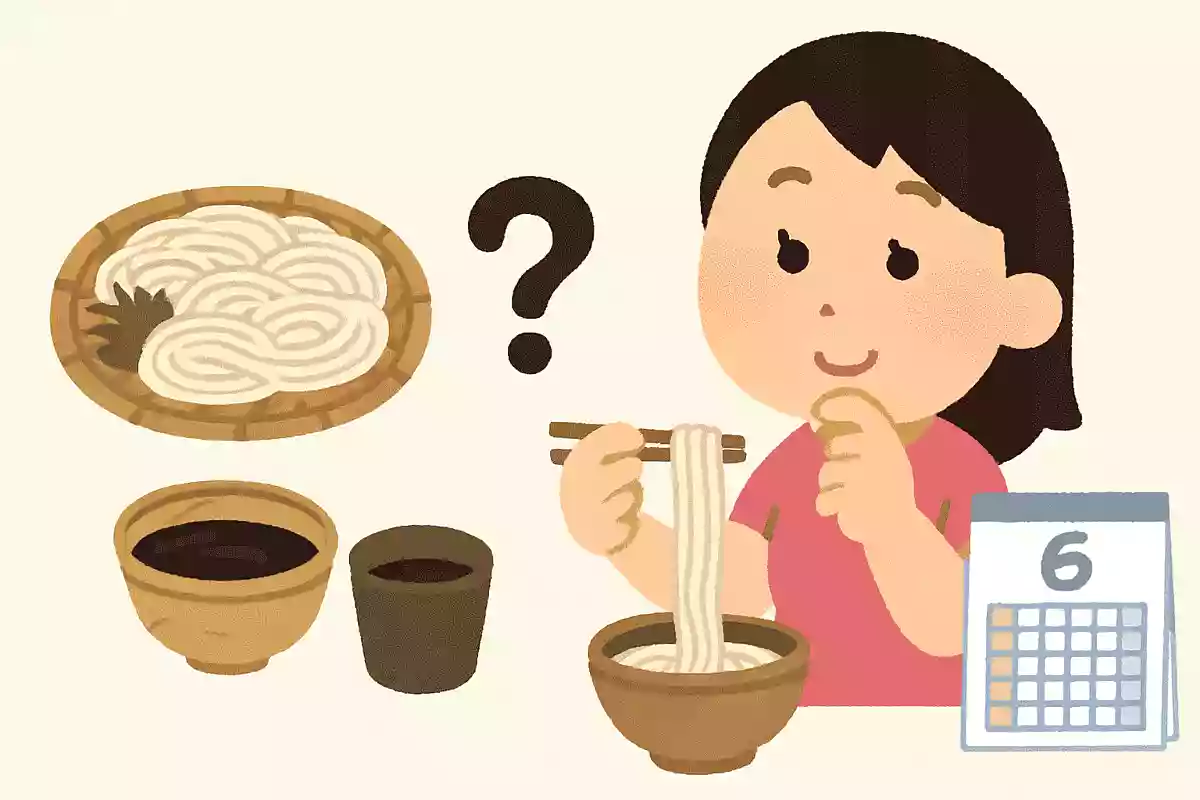
Riddle: ‘Sōmen’ and ‘June’—what do they have in common? What’s the punchline?
See the answer
There is tsuyu (soup/broth or the rainy season).
Let’s start by considering what kind of season June is and what you need when eating somen noodles. Although there are various ways to eat somen, you generally use dipping sauce (tsuyu). Since June is the rainy season, called “tsuyu” in Japanese, the answer is that there is tsuyu (sauce/rainy season).
