

[Simple Riddles] A curated selection of fun questions that will excite everyone from kids to adults!

A must-see for anyone looking for wordplay riddles that adults can enjoy! In this article, we present intellectually witty riddles that will make you chuckle, in a fun quiz format.
From works that delight with clever wordplay to ones that make you pause and think.
Simple yet profound—enjoy the world of riddles.
These amusing riddles are perfect for sparking conversation during office breaks or at parties.
For a mental workout or as conversation starters, find your favorite riddles!
- Interesting riddles: a collection of simple and fun questions
- [Battle of Wits] Stimulate your intellectual curiosity! Quiz questions that get adults excited
- Easy Riddles for Elementary School Students
- [Trick Quiz] Quiz Questions That Excite Everyone from Kids to Adults
- [Brain Training] Difficult Riddles That Even Adults Struggle With
- Fun for kids and adults alike! Train your brain with easy riddles.
- Mental Workout: Casual Challenge! Riddles for Adults
- [Satisfying When Solved] Challenging Quizzes Recommended for Elementary School Students!
- Do you get tripped up too? A fun roundup of 10-time quiz questions
- A quiz that seems easy but is actually hard: trick questions that make you think flexibly
- Fun quizzes for elementary school kids: a collection of questions everyone can enjoy together
- Let's get excited with a two-choice quiz that everyone—from kids to adults—can enjoy!
- [Interesting] A collection of brain teaser quiz questions. Let's train your brain!
Food and Cooking Riddle Collection (11–20)
What do “wakame seaweed” and “a train with no passengers” have in common? The answer is: they’re both full of “kaiso” (a pun: seaweed = kaisou/kaiso, and an empty train has no people, so it’s ‘kaiso’ — “no passengers”).

See the answer
It’s kaisō (seaweed / deadheading).
Wakame is a type of seaweed (kaisō), and a train without passengers is called a “deadhead” or “out-of-service” train (kaisō densha). Therefore, the answer here is kaisō. There are various reasons why a train might have no passengers, so the key is whether you can arrive at the idea of a deadhead run.

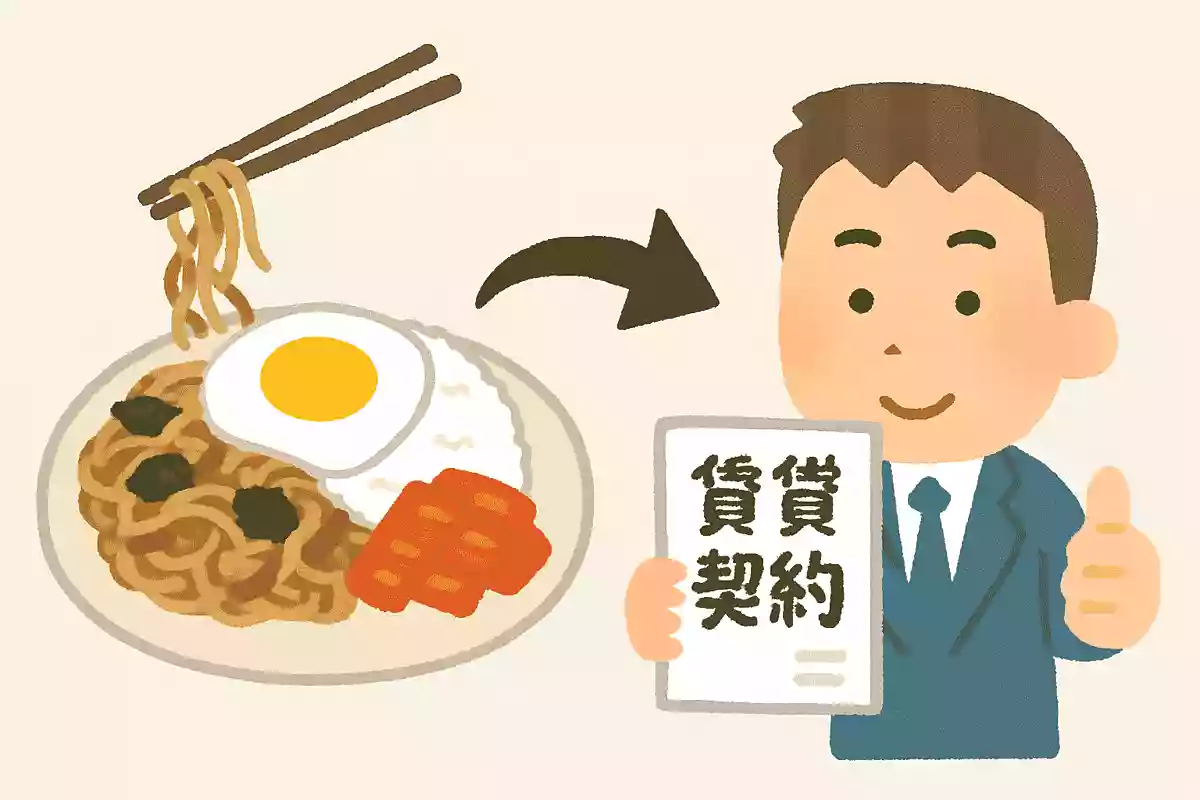
What do you get when you cross “Asian cuisine” with “a lease extension”? What’s the punchline?
See the answer
Spices (or a renewal fee) are required.
The common element here is “kōshinryō”: Asian cuisine is inseparable from spices (kōshinryō) that enhance aroma and heat, and when renewing a rental contract, a renewal fee (kōshinryō) is often required. Since Asian cuisine allows for a wide range of interpretations, it’s smoother to arrive at the answer by starting from the more constrained context of renewing a rental contract.
What do you get when you compare ‘matsutake mushrooms’ to a 500-yen coin? What’s the punchline?

See the answer
It’s kōka (meaning either “expensive” or “coin”).
Matsutake are known as a luxury mushroom, making them “expensive” (kōka), and the 500-yen piece is not a bill but a “coin” (kōka). The shared reading kōka is the answer. Imagining the image suggested by each word and letting related words come to mind one after another is the key to getting closer to the answer.
What do whipped cream and money have in common? Here’s the riddle: “Whipped cream” is likened to “money.” The punchline? They both are ‘whipped up’ and ‘go bad if left out.’

See the answer
It’s indispensable for cake (and the economy).
What foods do we often eat with fresh cream? Cakes we enjoy at Christmas or on birthdays are decorated with plenty of whipped cream, aren’t they? And if we talk about money, that includes the economic situation as well. If fresh cream goes with cake, then money goes with the economy. Both fresh cream and money are indispensable for cake and the economy. They’re completely different things, but it’s an interesting riddle that ties them together with the single word “keiki” (cake/keiki as in economy in Japanese wordplay).

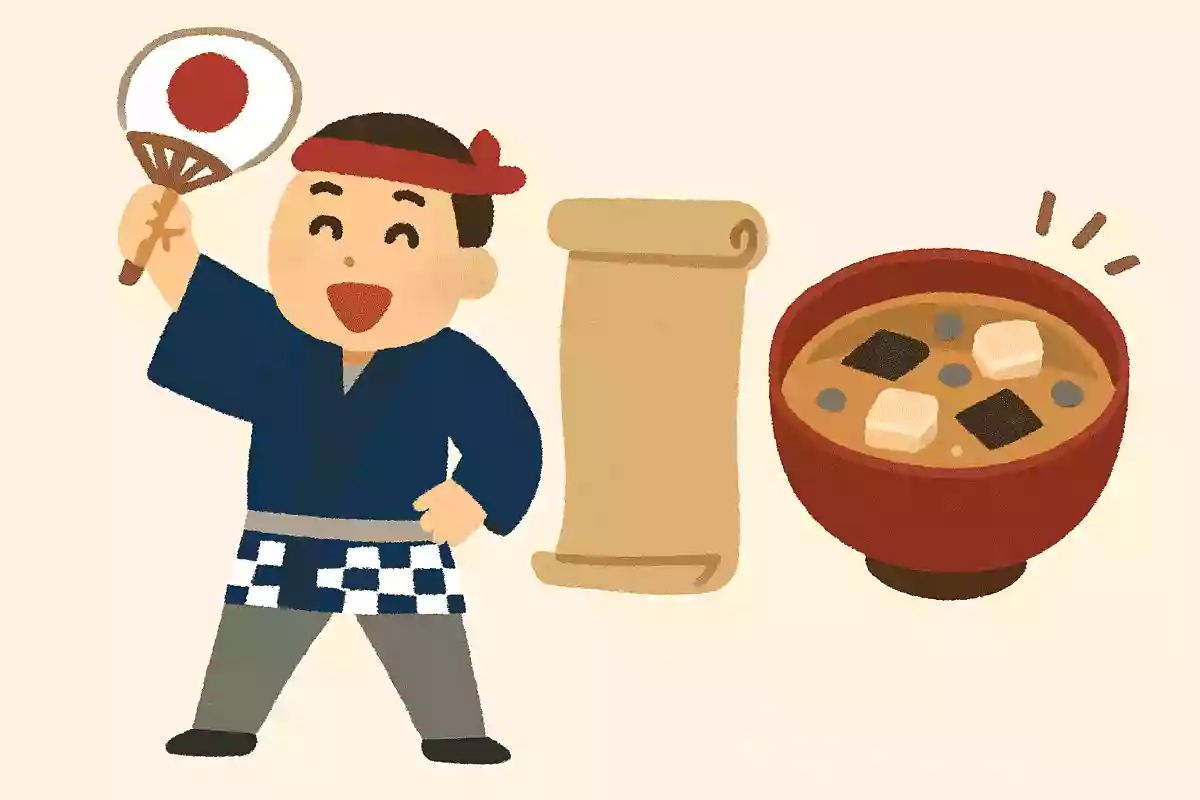
Riddle: “What do a festival and miso soup have in common?” The answer: “Their ‘hearts’ (core ingredients) are ‘stock’ (people for a festival, dashi for miso soup).”
See the answer
Dashi (festival float/soup stock) is important.
Let’s imagine a “festival” and “miso soup” and think about what’s there and what’s used—looking for common points. At some festivals, a “float” (dashi) appears, while miso soup requires “broth” (dashi). So the answer is that “dashi” is important.
In conclusion
We introduced some clever riddles that are sure to bring a smile to adults’ faces.
They may seem simple at first, but they’re surprisingly deep and call for flexible thinking—that’s the real charm of riddles.
Through the fun of wordplay, you might even gain fresh perspectives for your everyday conversations.
Why not try incorporating them into time with friends and family and spread the smiles?