

Interesting Japanese songs recommended for men in their 60s

This time, I’d like to introduce a collection of amusing Japanese songs recommended for men in their 60s.
Back in the Showa era, there were lots of silly songs, but they kind of grow on you, get stuck in your head, and you find yourself humming them without thinking—there are quite a few songs like that, right?
- Hilarious: Funny songs. Tracks that kill at karaoke and put a smile on your face.
- [2026 Edition] Songs Loved by People in Their 60s: Classic Hits from Their Youth
- [For People in Their 60s] Karaoke Songs That Get the Crowd Going: Ranking [2026]
- Recommended Japanese karaoke songs for men in their 60s
- Karaoke songs that are sure to get a 60-something man fired up
- [2026] Japanese karaoke songs that get men in their 50s pumped up
- Cheering songs recommended for people in their 60s: classic and popular Japanese hits
- [Karaoke] Recommended Songs for Men in Their 80s: A Collection of Showa-Era Classics You’ll Want to Belt Out
- Get the Laughs! Funny Karaoke Songs That Hype Up the Crowd
- [Recommended for people in their 70s] Classic nostalgic hits: A collection of youth songs
- A love song that makes a man in his sixties relive his youth. Timeless classics that rekindle the romances of those days.
- Tear-jerking songs recommended for men in their 60s: classic and popular Japanese hits
- Japanese karaoke songs that are easy for men in their 60s to sing
Interesting Japanese songs recommended for men in their 60s (11–20)
National Sake-Drinking Festival Song of Japanbarakūda

A heartwarming comic song that celebrates the joy of drinking, themed around annual events and regional specialties.
Originally released independently by Baracuda in December 1979, the track gained popularity on cable radio and was officially reissued by Toshiba EMI, reaching No.
11 on the Oricon chart and selling around 700,000 copies.
With a warm musical style that incorporates regional dialects, it is a classic deeply etched in the hearts of the Japanese people.
In 2021, an arranged version with a “hot pot” theme was featured in a Mizkan commercial, winning the hearts of a new generation.
It’s a song that brings smiles to everyone—perfect for livening up banquets and parties, or sharing joyful moments with close friends.
Alright, that’s it.Ueki Hitoshi

Speaking of legends of comic groups, there’s the well-known Hitoshi Hana and the Crazy Cats.
Among their comic songs, the main figure was of course Hitoshi Ueki.
They have many amusing tracks, but ‘Hai, Sore Made yo’ is particularly popular.
Open! TulipAkiyama Kanpei

A signature satirical comedy song symbolizing pachinko culture, this is Kanpei Hazama’s hallmark work released in August 1975.
Vividly depicting Showa-era entertainment—like the Warship March playing in pachinko parlors of the time, hand-cranked machines, and the smoky, permissive atmosphere inside—the song reached a peak of No.
25 on the Oricon charts and became a massive hit with over one million copies sold.
In December of the same year, it was also chosen as the theme song for the Nikkatsu film “Wet Lust: Open, Tulip,” enriching the world of director Tatsumi Kumashiro’s work.
Its bright, sprightly melody and Hazama’s distinctive vocals create a humor that’s sure to liven up parties and family gatherings alike.
The Song of the Red Dragonflyanonenone
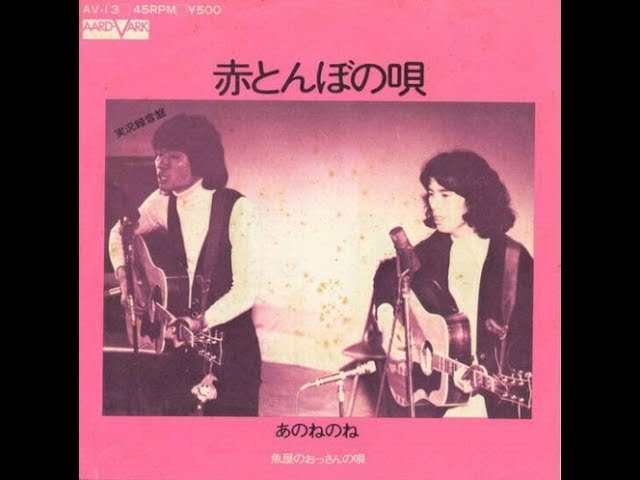
A witty, humorous piece of musical nonsense that sparkles with clever wordplay.
The March 1973 debut single released by Anone-none features distinctive lyrics that morph from one thing to another like a word-association game.
Woven with self-referential lines that incorporate the group’s own name and sprinkled with metaphorical phrases open to multiple interpretations, the song even drew scrutiny from the Japan Commercial Broadcasters Association at the time.
Its melody is a simple folk-song style, sung breezily over guitar accompaniment.
Said to be an arrangement of a comedy routine from a manzai duo active from the Taisho to Showa eras, it carries a nostalgic flavor as well.
A perfect tune to bring smiles to everyone’s faces at parties or fun family gatherings.
Tonpei’s Hey You BluesHidari Tonpei

A song brimming with humor that epitomizes the Showa era.
Tonpei Hidari’s distinctive voice blends perfectly with the upbeat rhythm.
Released in November 1973, the track was based on a gag he performed on television.
It became a major hit, selling around 70,000 copies, and was also used as an insert song in the series Special Mobile Investigation Unit.
The piece expresses a resolve to overcome life’s hardships and setbacks, giving it a resonant appeal.
It’s perfect for livening up fun gatherings with friends or for a quick boost of energy.
Highly recommended for those seeking a mix of nostalgia and laughter.
Polka of the Old Man and the ChildrenHidari Bokuzen

It’s a quirky hit song where it’s a bit of a mystery why they had such an elderly person sing it.
Then again, you could say it has flavor and meaning precisely because an elderly person sang it.
As a bit of trivia, among the children in the backing chorus is Ms.
Fujita, who later had a hit as part of Le Couple with the song Hidamari no Uta.
Interesting Japanese songs recommended for men in their 60s (21–30)
Song of the Motor ShowKobayashi Akira
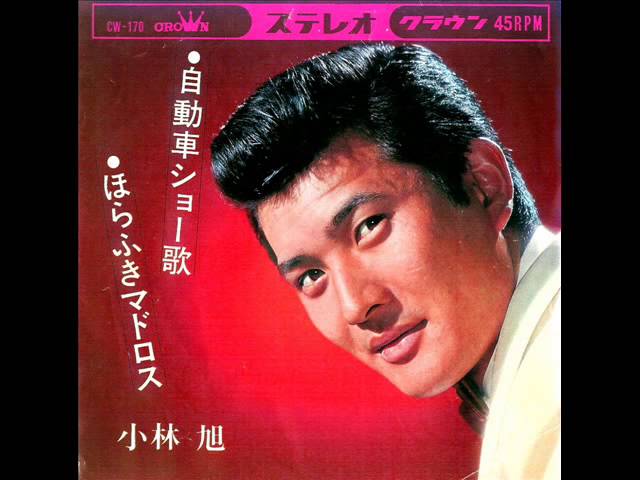
It’s a song by Akira Kobayashi called “The Automobile Show Song,” which could be considered a quite famous comic song.
Automotive-related keywords are sprinkled throughout the lyrics, and this technique can be called a classic, mainstream pattern for comic songs.