


This time, I’d like to introduce a collection of amusing Japanese songs recommended for men in their 60s.
Back in the Showa era, there were lots of silly songs, but they kind of grow on you, get stuck in your head, and you find yourself humming them without thinking—there are quite a few songs like that, right?
- Hilarious: Funny songs. Tracks that kill at karaoke and put a smile on your face.
- [2026 Edition] Songs Loved by People in Their 60s: Classic Hits from Their Youth
- [For People in Their 60s] Karaoke Songs That Get the Crowd Going: Ranking [2026]
- Recommended Japanese karaoke songs for men in their 60s
- Karaoke songs that are sure to get a 60-something man fired up
- [2026] Japanese karaoke songs that get men in their 50s pumped up
- Cheering songs recommended for people in their 60s: classic and popular Japanese hits
- [Karaoke] Recommended Songs for Men in Their 80s: A Collection of Showa-Era Classics You’ll Want to Belt Out
- Get the Laughs! Funny Karaoke Songs That Hype Up the Crowd
- [Recommended for people in their 70s] Classic nostalgic hits: A collection of youth songs
- A love song that makes a man in his sixties relive his youth. Timeless classics that rekindle the romances of those days.
- Tear-jerking songs recommended for men in their 60s: classic and popular Japanese hits
- Japanese karaoke songs that are easy for men in their 60s to sing
Interesting Japanese songs recommended for men in their 60s (1–10)
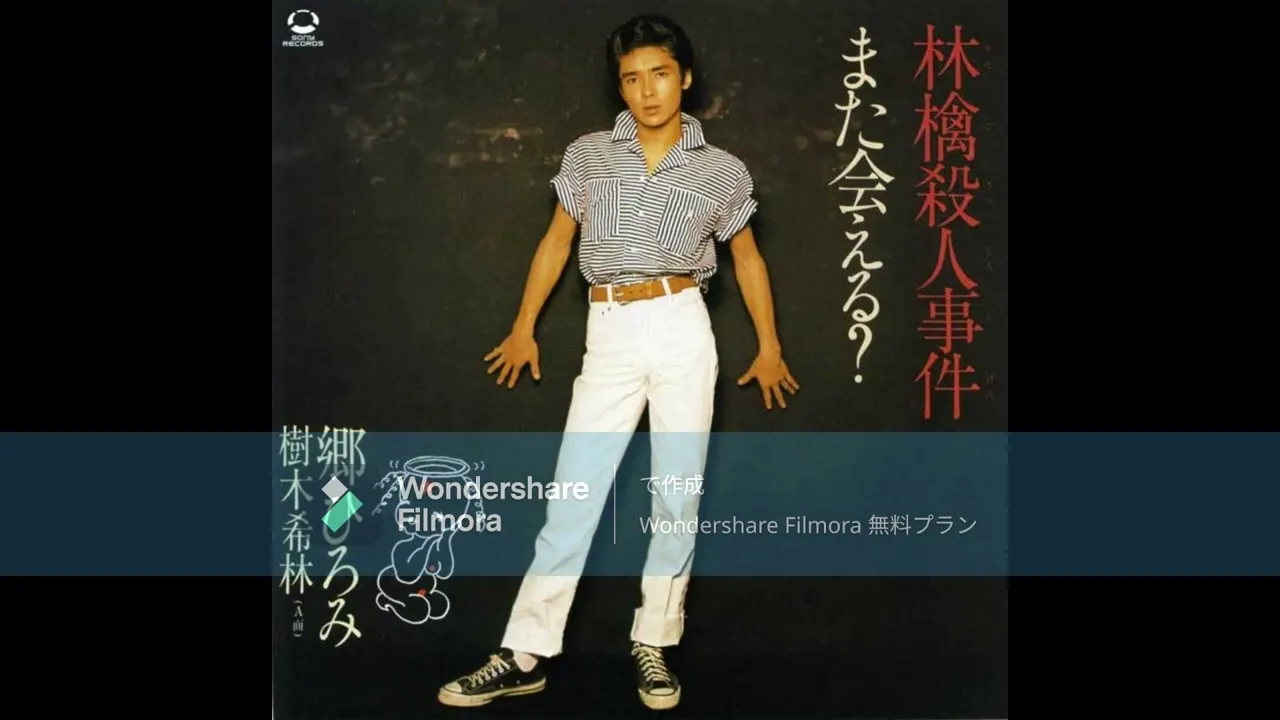
The Apple Murder CaseGō Hiromi, Kigeki Kirin

This song captivates with its humor-filled lyrics and upbeat melody.
Despite using a murder case as its theme, it entertains listeners with a comical storyline.
The lyrics, which weave in the story of Adam and Eve, skillfully depict the love and hate between men and women.
Released in June 1978, it became a major talking point, spending four consecutive weeks at No.
1 on The Best Ten.
It was also used as an insert song in the drama “Mu Ichizoku,” winning support from a wide audience.
The duet by Hiromi Go and Kiki Kirin is another highlight.
It’s the perfect track for parties and get-togethers when everyone wants to get energized.
Enjoy the unique lyrics and sing along across generations.
I’m going to Tokyo.Yoshi Ikuzo

This is one of Ikuzo Yoshi’s signature songs, humorously depicting rural life in the countryside.
Featuring lyrics that skillfully incorporate the Aomori dialect and a distinctive rhythm, it was released in November 1984.
The song also drew attention for its composition, which incorporated innovative Japanese rap for the time.
There’s even an anecdote that, thanks to the lyrics’ promotional effect for LaserDisc, the manufacturer gifted him a player.
It’s a track you can enjoy with nostalgic Showa-era memories while sensing a yearning for the big city.
The Drunkard Has ReturnedZa Fōku Kurusedāzu

After dying in a drunk-driving accident and going to heaven, the protagonist is sent back to Earth following a fantastical exchange with God.
Marked by shrill voices and lively Kansai-dialect banter, this song uses black humor to satirize social issues.
Released in December 1967, it captured the hearts of young people and became a million seller.
Its popularity even led to a film adaptation, making it a work that symbolized a time of societal change.
To this day, it retains an undimmed charm as a song that brings smiles when everyone sings it together at lively banquets and parties.
A flawless rock ’n’ rollerarajin

It was one of those one-hit-wonder songs that became popular around the time when slightly bad-boy styles like Yokohama Ginbae were in vogue.
But what’s really impressive is that Aladdin’s Takahara Ani later went on to succeed as a composer too, scoring hits with songs like those for Shūchishin.
Song of the Delinquent Big BrotherKamon Tatsuo

This is a signature work by Tatsuo Kamon that humorously portrays the delinquent (yankii) culture of the Showa era.
Its charm lies in a witty, upbeat style that sings about the yankii’s distinctive looks and behavior over a lively melody.
Released in 1983, it won the Newcomer Award at the TBS Cable Music Awards hosted by Can System.
It can be said to be a song that laid the foundation for Kamon’s musical career.
It’s likely to surprise not only the generation familiar with yankii culture but also younger listeners who didn’t experience that era.
If you sing it at cross-generational gatherings like office parties or class reunions, it will surely spark laughter and a sense of shared connection.
Japanese rice is the best in the world.Uchikubi Gokumon Doukoukai

This much-talked-about release powerfully sings, over a heavy rock sound, of fervent love and pride for Japan’s staple food: white rice.
Listing indispensable dishes from gyūdon and katsudon to sashimi set meals and yakiniku set meals, it deftly shows how rice plays a starring role in a wide variety of situations.
The track fully showcases Uchikubi Gokumon Doukoukai’s signature, everyday-life-themed loud rock.
Released as a single in May 2015, it was also included on the mini-album “Mada Mada Shinmai,” released in November of the same year.
The song has earned high social recognition as well, including the band’s appointment by the Ministry of Agriculture, Forestry and Fisheries as “FAN-bassador Rock.” It’s a must-listen not only for fans of donburi and set meals, but for anyone who takes pride in Japan’s food culture.
Guaranteed to get the crowd going at parties and karaoke.
Song of the Old Man from KawachiMisu Hanako

A humorous comic song that puts the Kawachi dialect front and center, it rides a lively rhythm to portray the bold yet friendly character of a middle-aged man from Kawachi.
Released in August 1976, it became a massive hit, selling over 800,000 copies.
It was even adapted into a film that November, featuring celebrated actors such as Takuzo Kawatani and Junko Natsu.
The song depicts a cheerful, warm-hearted “ossan” welcoming visitors and sharing drinks, a scene that resonated with many.
It’s the perfect track for enjoying drinks with good friends while soaking up the feel of the Showa era.
Why not savor the witty Kawachi-dialect lyrics along with Miss Hanako’s light, nimble vocals?