

Karaoke songs that are sure to get a 60-something man fired up


If you’re a man in your 60s, you probably have plenty of chances to go to karaoke with coworkers or friends.
One of the biggest challenges at karaoke is choosing the right songs, isn’t it?
Many people may feel, “I know tons of songs, but I can’t recall them on the spot,” or “Among the songs from our generation, which ones are broadly easy to listen to?”
In this article, we’ve gathered lots of songs that men in their 60s love and that are great picks to sing at karaoke!
Younger readers can also use this as a reference when enjoying karaoke with older people, such as your boss or family members.
It’s packed with timeless classics that defined their eras!
- [For People in Their 60s] Karaoke Songs That Get the Crowd Going: Ranking [2026]
- Recommended Japanese karaoke songs for men in their 60s
- [Men in their 60s] Even if you're not good at singing, it's okay! Easy-to-sing songs for karaoke
- Popular Japanese songs among men in their 60s: recommended masterpieces and classic tracks
- [2026] Japanese karaoke songs that get men in their 50s pumped up
- [60s] Karaoke Popularity Rankings by Generation [2026]
- Japanese karaoke songs that are easy for men in their 60s to sing
- Karaoke songs you’ll want to sing for men in their 70s: Enka and nostalgic Showa-era pop
- Best Karaoke Songs and Popular Band Rankings for Lively Fun in Your 60s [2026]
- Songs Women Want Men to Sing: Popular Karaoke Picks Chosen by Girls
- A love song that makes a man in his sixties relive his youth. Timeless classics that rekindle the romances of those days.
- Interesting Japanese songs recommended for men in their 60s
- Iconic songs men will want to sing! Karaoke tracks recommended for Gen Z
Karaoke Songs That Will Get a 60-Something Man Fired Up (91–100)
No-No BoyZa Supaidāsu

This song fuses sophisticated chord progressions influenced by the British beat with a soul-stirring rock ’n’ roll sound.
The musical style crafted by Hiroshi Kamayatsu opened up new possibilities for Japan’s rock scene at the time.
Released as a single by Philips Records in February 1966, it was also featured in the Nikkatsu film Youth A-Go-Go that same year.
With catchy, love-themed phrases repeated throughout, it leaves a deep impression on listeners.
Boasting an innovative melody line and a stylish vibe, this track is recommended for those who want to relive the bittersweet memories of their youth, as well as music fans eager to savor a classic that represents the golden era of Japanese rock.
In the Sun and the DustCHAGE and ASKA

A gem of a melody that portrays the dreams and setbacks of youth—and the strength to overcome them.
Released to the world by CHAGE and ASKA in January 1991, this work captures the persistence of those who keep pursuing their dreams, set to a 16-beat rhythm infused with a Western pop sensibility.
The chorus, simple yet striking, has a familiar charm that makes you want to sing along.
A single cut from the album “SEE YA,” it was featured in Nissin Foods’ “Cup Noodles Red Zone” campaign and as the ending theme for Fuji TV’s TIME3, becoming a major hit with cumulative sales exceeding 500,000 copies.
It’s a song that gently pushes you forward when you want to keep running toward unseen dreams—or when you find yourself at a crossroads in life.
Karaoke songs that are sure to liven up the party for men in their 60s (101–110)
WOW WAR TONIGHT ~ Sometimes Start a MovementH Jungle with T

It’s an iconic 90s hit born from the unexpected pairing of a comedian and a music producer.
Tetsuya Komuro’s polished dance beats blend with Masatoshi Hamada’s distinctive vocals to create a powerful track that urges people in today’s weary society to take action.
Released in February 1995, it topped the Oricon charts for seven consecutive weeks and achieved an astounding 2.13 million sales.
As H Jungle with T’s landmark debut single, it made a strong impact on the music scene of the time.
It’s the perfect song for when you’re feeling down or need a boost in motivation, and at karaoke it’s a staple crowd-pleaser that continues to be sung across generations.
ff (fortissimo)HOUND DOG

A powerful rock tune that depicts passionate love and determination has captured the hearts of many as one of HOUND DOG’s signature works.
With a strong message about believing in the power of love and the importance of holding on to dreams and passion, this song stands out.
After its release in August 1985, it was featured in Nissin Foods’ Cup Noodles commercials and became a major hit, reaching No.
11 on the Oricon charts and No.
8 on The Best Ten.
Since March 2018, it has been used as the departure melody at JR East’s Sendai Station, and it has inspired cover versions by Akiko Wada and LGYankees.
It’s a song you’ll want to listen to when you need courage to pursue your dreams or when you want to convey your feelings to someone important.
I want to become the wind.THE BOOM

A heartwarming message song woven from samba rhythms and Japanese lyrics.
It’s a gem that rides on a light, flowing groove to express the wish to be free together with a loved one.
Released in March 1995 as THE BOOM’s 16th single, it was also included on the previous year’s album “Kyokutou Samba.” Chosen for numerous commercials, including DC Card and J-PHONE, it left a lasting impression on many people.
With rich percussion and the gentle vocals of Kazufumi Miyazawa in perfect harmony, the song was featured in high school music textbooks and, in July 2013, realized a collaboration with a popular idol group on Fuji TV’s “FNS Uta no Natsumatsuri.” It’s a moving track to play when you want to feel the bond with someone special.
Embracing SummerTUBE
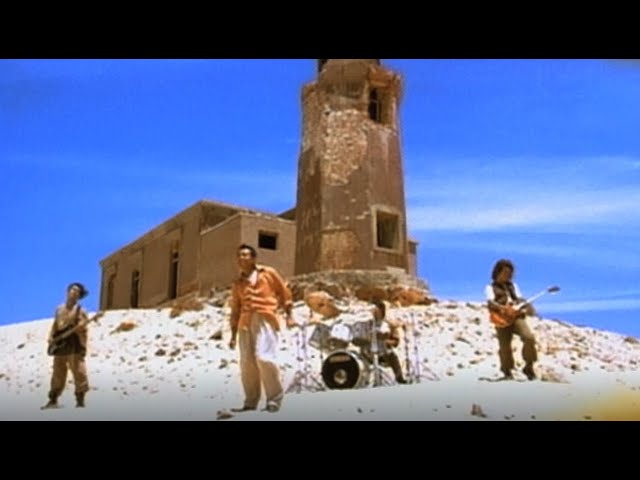
With a sound that evokes clear blue skies and a shining sun, this is a quintessential summer song from TUBE.
It conveys a love so intense it keeps you awake at night, expressed through passionate lyrics and melody.
The protagonist’s once-in-a-lifetime feelings are sure to stir memories of bittersweet love that many have experienced.
Released in May 1994, this smash hit topped the Oricon charts and sold 940,000 copies.
It was also featured in a Toyota Corolla Ceres commercial and has become a karaoke staple loved by many.
It’s the perfect track to share with close friends or colleagues as you reminisce and look back together on life’s milestones.
The rattlesnake is comingTonneruzu

With its cheerful, upbeat sound, this opening theme for the Fuji TV variety show “Tunnels’ Thanks to Everyone” captured the hearts of viewers.
Released by Tunnels in January 1992, the song brilliantly fuses Yasushi Akimoto’s clever wordplay with Tsugutoshi Goto’s lively melody.
At first glance it seems like a simple, fun story, but its lyrics are appealingly dual-layered, allowing for deeper, more adult interpretations.
Reaching No.
1 on the Oricon charts for the first time and selling 1.409 million copies, the song has been loved across borders, with covers in Hong Kong and Taiwan.
It’s the perfect track to liven up parties and gatherings, delivering a joyful moment that gets your body moving.