

Karaoke songs that are sure to get a 60-something man fired up


If you’re a man in your 60s, you probably have plenty of chances to go to karaoke with coworkers or friends.
One of the biggest challenges at karaoke is choosing the right songs, isn’t it?
Many people may feel, “I know tons of songs, but I can’t recall them on the spot,” or “Among the songs from our generation, which ones are broadly easy to listen to?”
In this article, we’ve gathered lots of songs that men in their 60s love and that are great picks to sing at karaoke!
Younger readers can also use this as a reference when enjoying karaoke with older people, such as your boss or family members.
It’s packed with timeless classics that defined their eras!
- [For People in Their 60s] Karaoke Songs That Get the Crowd Going: Ranking [2026]
- Recommended Japanese karaoke songs for men in their 60s
- [Men in their 60s] Even if you're not good at singing, it's okay! Easy-to-sing songs for karaoke
- Popular Japanese songs among men in their 60s: recommended masterpieces and classic tracks
- [2026] Japanese karaoke songs that get men in their 50s pumped up
- [60s] Karaoke Popularity Rankings by Generation [2026]
- Japanese karaoke songs that are easy for men in their 60s to sing
- Karaoke songs you’ll want to sing for men in their 70s: Enka and nostalgic Showa-era pop
- Best Karaoke Songs and Popular Band Rankings for Lively Fun in Your 60s [2026]
- Songs Women Want Men to Sing: Popular Karaoke Picks Chosen by Girls
- A love song that makes a man in his sixties relive his youth. Timeless classics that rekindle the romances of those days.
- Interesting Japanese songs recommended for men in their 60s
- Iconic songs men will want to sing! Karaoke tracks recommended for Gen Z
Karaoke crowd-pleasers recommended for men in their 60s (1–10)
FriendsRebekka

The song Friends, which portrays the bittersweet love of youth, remains one of REBECCA’s signature works, cherished by many fans.
Featuring NOKKO’s lively and captivating vocals, it was released in October 1985 and used as the ending theme for the Nippon TV drama Our Half-Potato Selves.
The lyrics, which express the complex emotions of romance, resonated especially with women and became a massive hit.
It beautifully captures the confusion and anxiety at the moment when friendship turns into love, making it perfect for when you want to reminisce about your youth.
A great choice to liven up a karaoke session, too!
Love MemoryMatsuzaki Shigeru
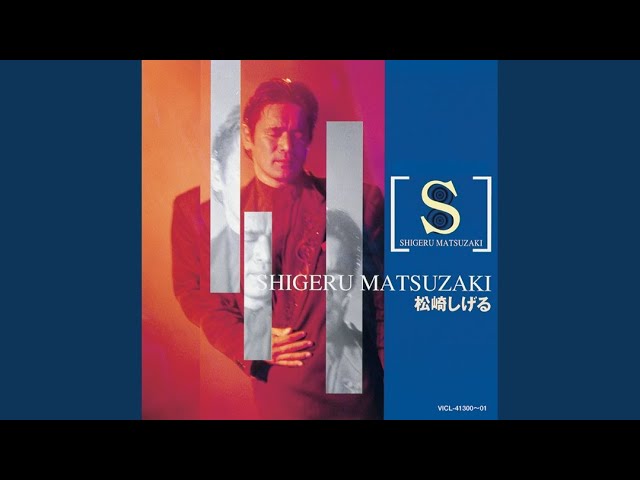
Shigeru Matsuzaki, a singer who made his debut after being scouted by Ryudo Uzaki—then a manager at Ohashi Production—released his 14th single, “Ai no Memory,” which was produced for participation in the Mallorca Music Festival in Spain and also used as a jingle for Ezaki Glico’s Almond Chocolate commercial.
Its grand melody, showcasing his powerful vocals, is a pleasure to sing at karaoke.
In recent years, thanks to frequent collaborations with Momoiro Clover Z, this timeless classic has likely become known among younger generations as well.

In the Middle of a DreamKisugi Takao

A lyrical love song that delicately portrays the themes of parting and reunion, distinguished by its gentle, melodious tone.
Takao Kisugi’s distinctive vocal style and his sister Etsuko Kisugi’s poetic lyrics blend beautifully, making it renowned as a masterpiece that deeply resonates with listeners.
Released in November 1981, it was included on the album “Yume no Tochū,” which came out in December of the same year.
The album was a major hit, reaching No.
2 on LP and No.
1 on cassette, and ranking 11th in annual sales for 1982.
The song is also famous for being covered by Hiroko Yakushimaru as the theme song for the film Sailor Suit and Machine Gun.
It’s a piece you’ll want to sing slowly at a gathering with friends or coworkers, reminiscing about memories with someone dear.
Karaoke crowd-pleasers recommended for men in their 60s (11–20)
ChampionArisu

A classic song that portrays the glory and setbacks of a veteran boxer continues to capture the hearts of many as one of Alice’s signature tracks.
With its universal themes and powerful message, it was released in December 1978 and reached No.
1 on the Oricon chart.
The song is included on the album “ALICE VII.” Its rock sound, highlighted by distinctive Spanish guitar, blends beautifully with Shinji Tanimura’s passionate vocals.
It resonates deeply with those who have experienced setbacks or farewells in life, and it’s perfect for singing at karaoke as a memorable song with friends.
When everyone raises their voices together, it’s sure to create a special, unforgettable moment.
Goodbye once moreOzaki Kiyohiko

A ballad distinguished by its rich vocal power and expressive nuance, this is a song by Kiyohiko Ozaki released in July 1971.
It’s not just a typical heartbreak tune; it tells of choosing to part ways out of love, set to a beautiful melody that sings of hope for the future.
Its deeply affecting vocals resonate with listeners, and the emotive melody portrays mature love within a calm atmosphere.
Released following the massive hit of the previous single “Mata Au Hi Made,” it reached No.
2 on the Oricon charts and sold a total of 444,000 copies.
In 1999, it was sung on screen by Naoto Takenaka in the film “Nodojiman,” and it has continued to be loved across generations.
It’s a song you’ll want to sing with cherished companions, drawing on the depth of your life experiences.
A long nightMatsuyama Chiharu

Chiharu Matsuyama’s song “Nagai Yoru” (A Long Night) is loved by many fans for its deep emotional expression and poetic lyrics.
Released in 1981, it is one of his signature works.
Known as a major hit that marked a dramatic shift from his previous folk style to a rock-influenced sound, the song passionately conveys the turmoil of love.
It has sold over 860,000 copies in total and is perfect for livening up gatherings with friends or workplace socials.
Space Battleship Yamatosasaki isao

Set against the vast expanse of space, this song—etched into the hearts of many as the theme of a classic anime depicting a fierce battle for Earth’s survival—was released as a single in October 1974 and earned high acclaim alongside the popularity of Space Battleship Yamato.
Isao Sasaki’s powerful vocals brilliantly convey the resolve and courage of the crew embarking on a journey to save Earth.
As a landmark in anime music, it continues to be beloved by countless fans.
It’s also a perfect choice when you want to fire up the crowd at karaoke.