

A collection of trivia and fun facts about space, brimming with dreams and romance

The universe, full of mysteries, is brimming with dreams and romance, and it has always made people around the world feel a thrill of excitement.
Because so much of it is shrouded in mystery—what’s out there, what’s happening—our imaginations run wild, and sometimes it even inspires a sense of fear.
In this article, we’ll share trivia and fun facts about the universe, which still has countless enigmatic aspects.
Reading this might make you even more excited about space! Precisely because we can’t easily go there, you’ll want to know its secrets—so be sure to check them out!
- Fun to Know! A Collection of Space Trivia [Rec]
- A compilation of unsettling trivia and fun facts about Earth
- Collection of trivia and fun facts about stars shining in the night sky
- Didn't want to know?! Fascinating and scary trivia & fun facts
- Space trivia quiz: Multiple-choice questions about the planets of the solar system and astronauts
- [Space] Did you know? Saturn Trivia Quiz
- [Great for speeches] Trivia and fun-fact quizzes recommended for morning assemblies
- A collection of trivia and fun facts about space, brimming with dreams and romance
- Fun facts about the Moon. A rapid-fire quiz!
- Think you know it, but maybe you don’t? Fun trivia quiz about the Sun!
- Fun facts you’ll want to share! January trivia and tidbits special
- Trivia you think you know but surprisingly don’t? August trivia and fun facts quiz!
- Fireworks Trivia & Fun Facts Summary
A collection of trivia and fun facts about the dream- and romance-filled universe (1–10)
Space food includes items like Cup Noodles and Kaki no Tane.
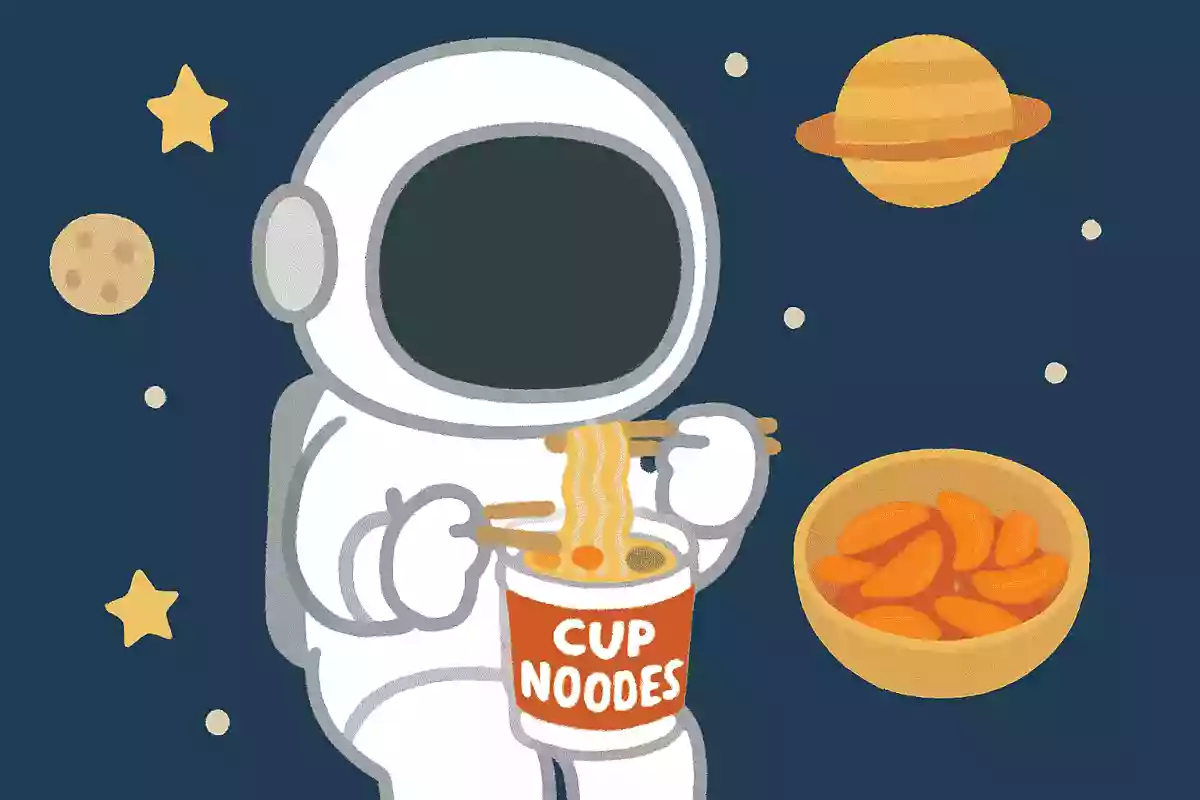
You might be curious about what kinds of space food there are.
JAXA-certified Japanese space foods include a wide variety of items such as plain rice, curry, eel, and hamburger steak, as well as gummies and ice cream.
There’s even “Nissin Cup Noodles”: to prevent splashing in microgravity, the soup is made thicker, the noodles can be rehydrated with 70°C water available on the ISS, and they’re formed into bite-sized blocks for easier eating.
“Kameda Kaki no Tane” rice crackers are also available; they use the same ingredients and manufacturing process as the commercial version, so you can enjoy their signature crunch even in space!

There are more trees on Earth than stars in the Milky Way.
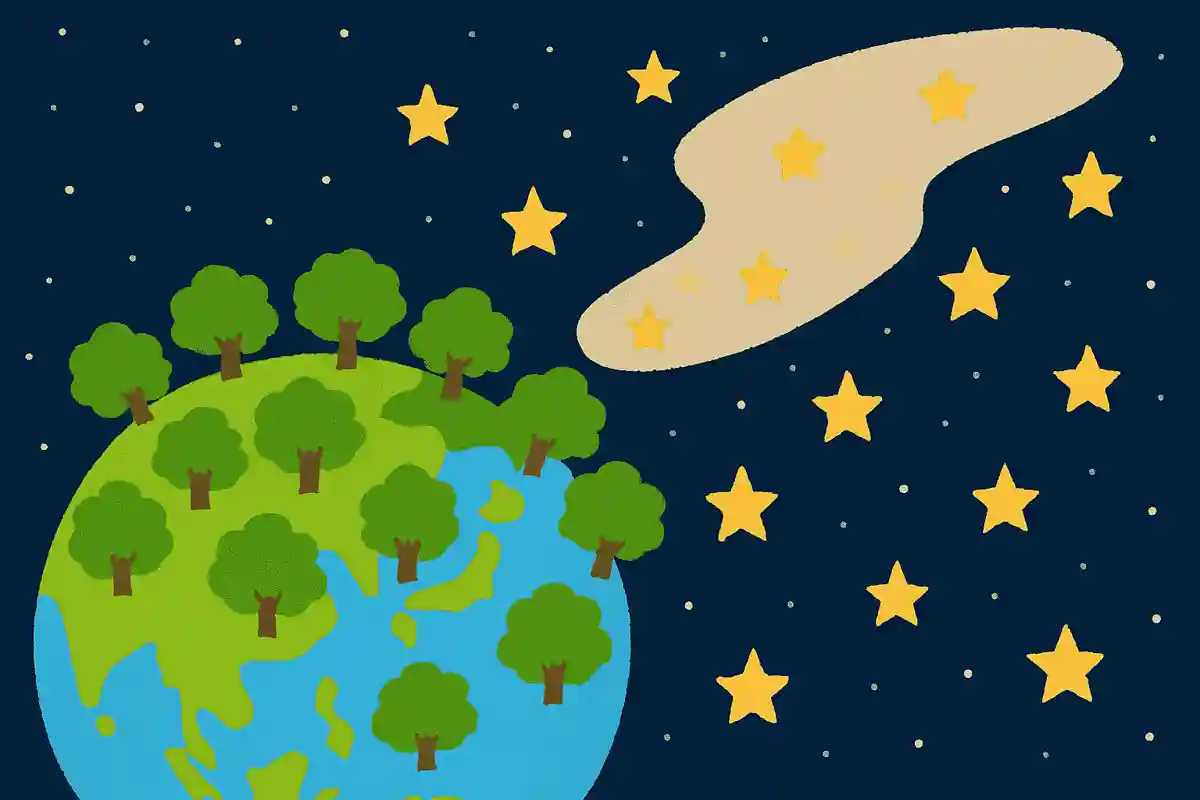
It may be surprising, but there are actually more trees on Earth than the number of stars in the Milky Way that seem countless.
After all, the Milky Way is just a small part of the vast universe.
The Milky Way Galaxy is thought to contain about 100 to 400 billion stars, while Earth is said to have over 3 trillion trees.
However, since the dawn of human civilization, the number of trees on Earth has been cut in half, and the planet’s forests continue to shrink at an alarming rate every year.
The loss of forests affects extreme weather and global warming, so for the future of our beautiful planet, we should cherish and protect its greenery.
Saturn’s rings are made mostly of ice.
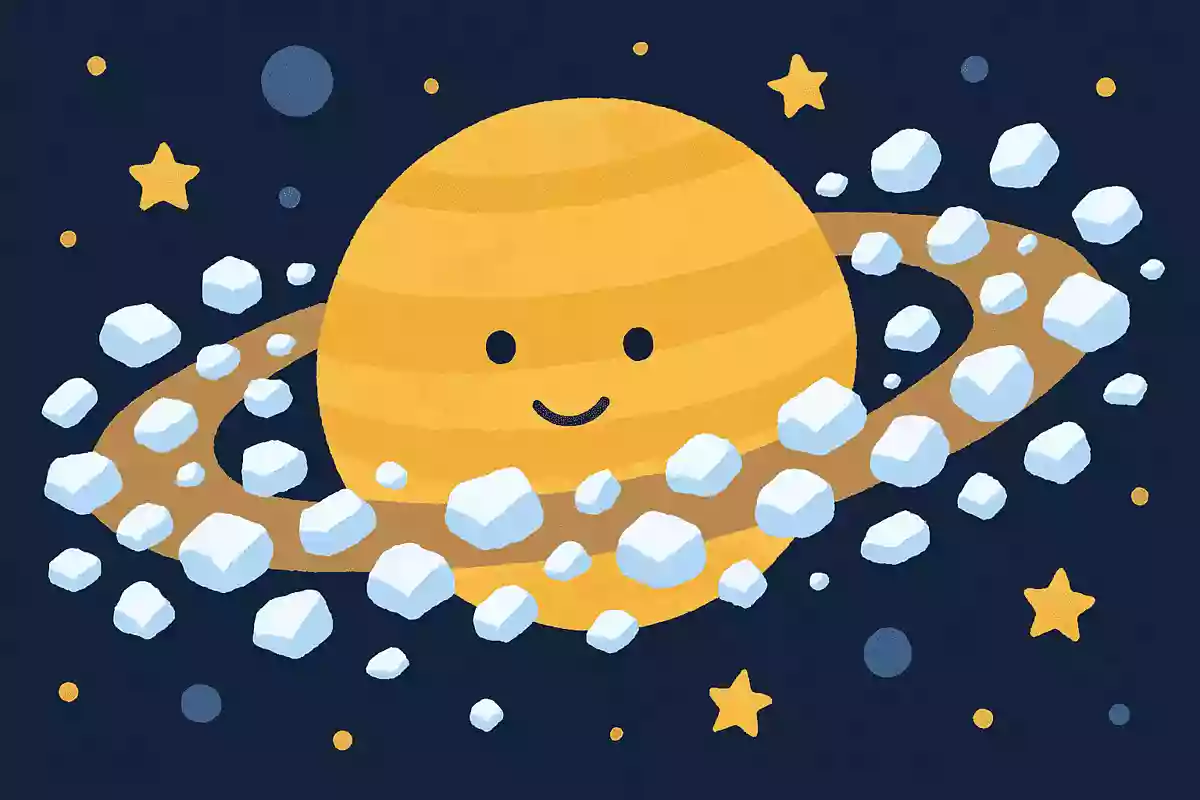
Among the stars spread across the universe, there are shapes different from Earth’s round form, and we can observe them with instruments like astronomical telescopes.
A representative example of a body with a shape unlike Earth’s is Saturn, which has rings encircling its sphere.
These rings—Saturn’s hallmark—are said to be composed mostly of ice.
Ranging from pieces invisible to the naked eye to ones as large as rocks, ices of various sizes maintain the ring shape through a balance between Saturn’s gravity and centrifugal force.
It’s a fascinating phenomenon.

Trivia & fun facts about the dream- and romance-filled universe (11–20)
The problem of trash is occurring even in space.
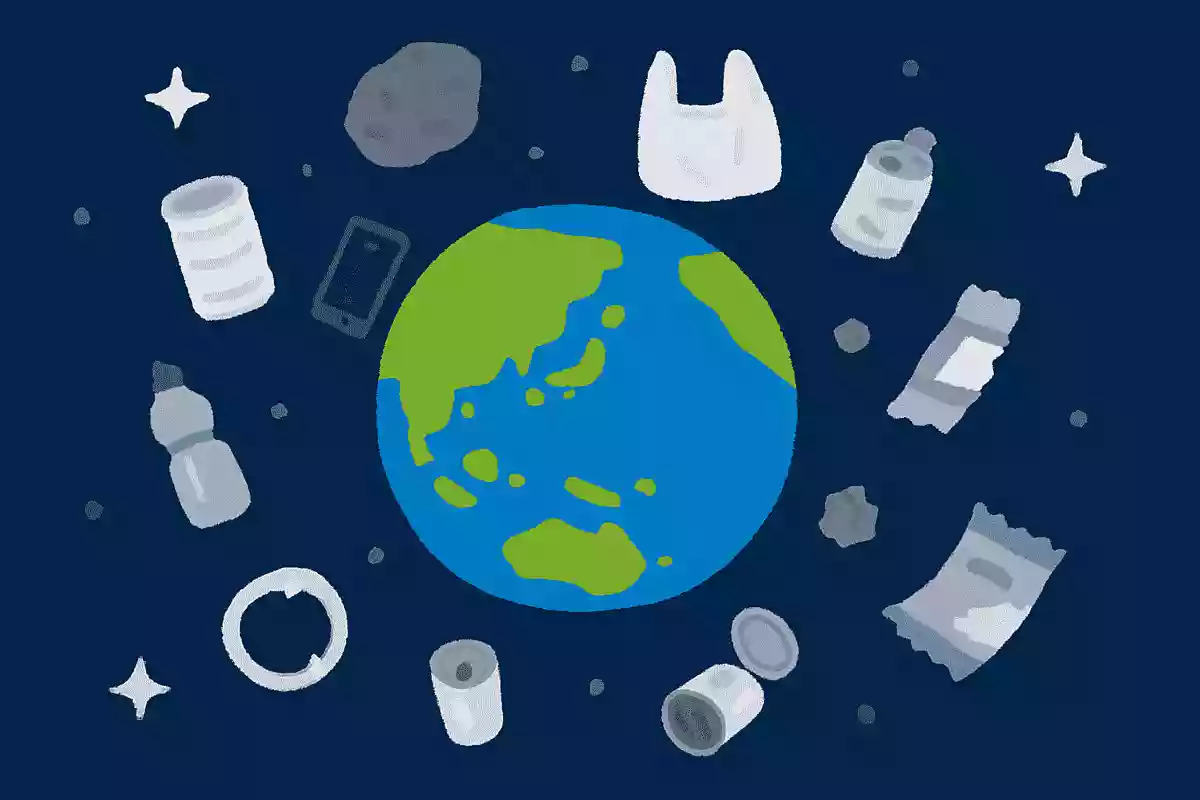
Garbage is a major problem on Earth, right? In the same way, it’s also a major problem in space.
So what exactly is space garbage? It consists of things like metal scraps that have fallen off satellites and rockets.
This debris, known as space debris, moves at extremely high speeds, which makes cleaning it up very difficult.
Depending on the altitude of the debris, there’s also a risk that it could fall back to Earth or collide with other satellites.

Saturn is theoretically light enough to float on water.
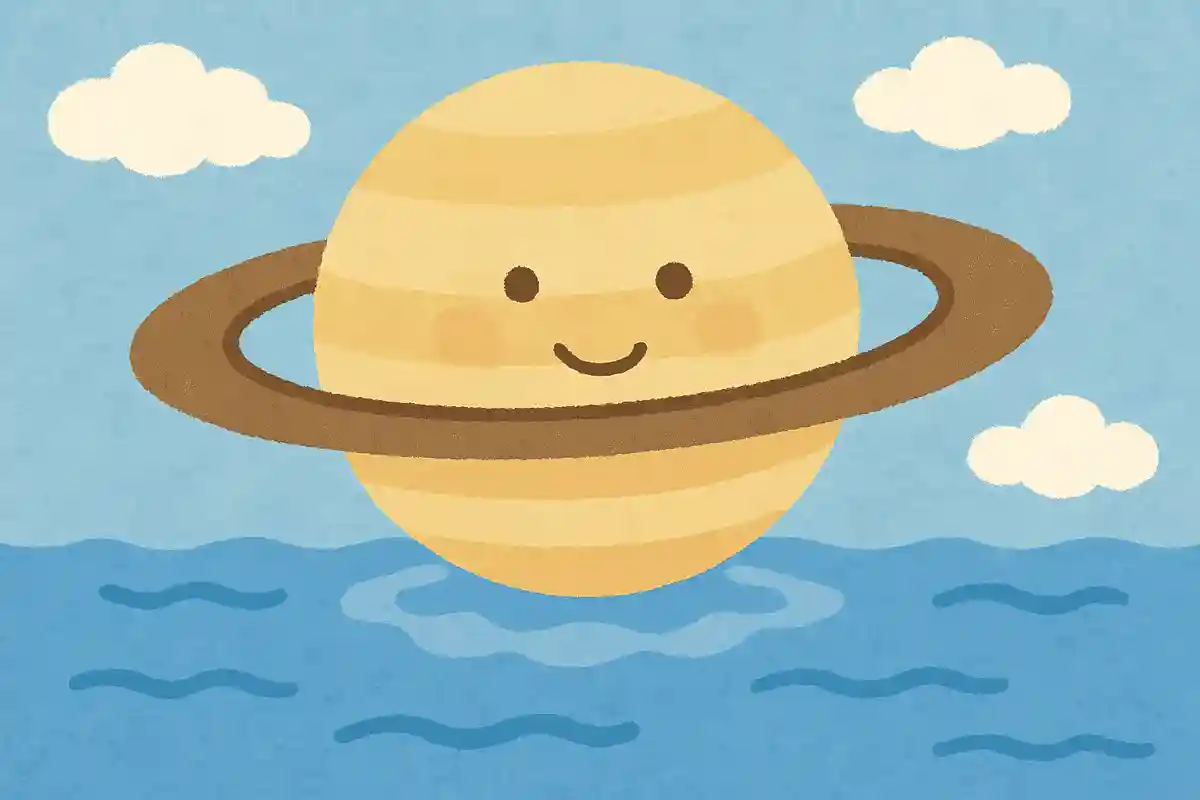
What if there were a pool big enough to hold Saturn? Believe it or not, Saturn is so light that it would float on water.
Because Saturn is made mostly of light elements like hydrogen and helium, its average density is only about 0.7 times that of water, making it the least dense planet in the solar system—in other words, less dense than water.
In reality, though, its low-density upper atmosphere would dissolve into the water, and its heavier core would sink, so it wouldn’t actually float.
Still, it’s a fascinating idea, isn’t it?
Winds on Venus blow at over 360 kilometers per hour.
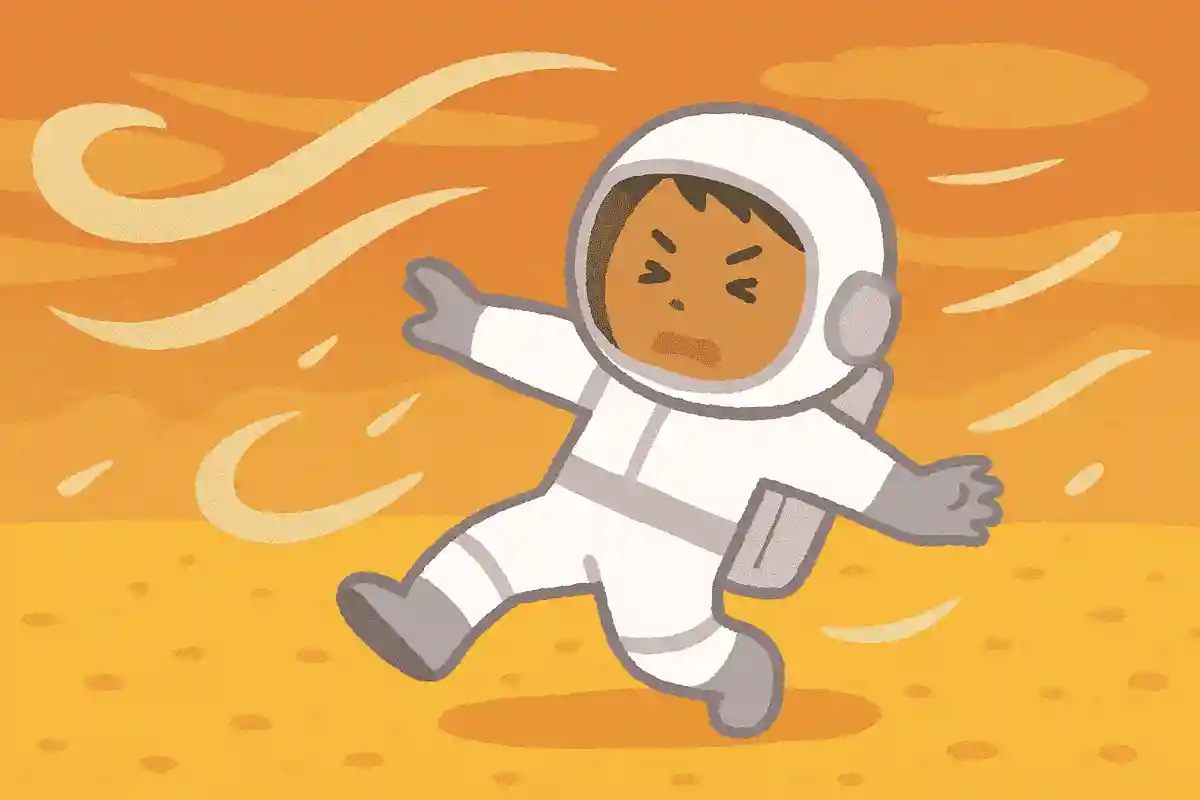
Venus is similar to Earth in size and mass, and is even called Earth’s twin.
However, its surface temperature exceeds 400 degrees, and the atmospheric pressure is about 90 atmospheres—extremely hot and high-pressure.
On Venus, there are winds known as “super-rotation” that blow at speeds of up to 360 kilometers per hour.
What’s more, these winds blow at an altitude of 60 km everywhere and in the same direction as the planet’s rotation.
Venus has a slow rotational period of 243 days, so it’s fascinating that gale-force winds are blowing at sixty times that rotational speed.
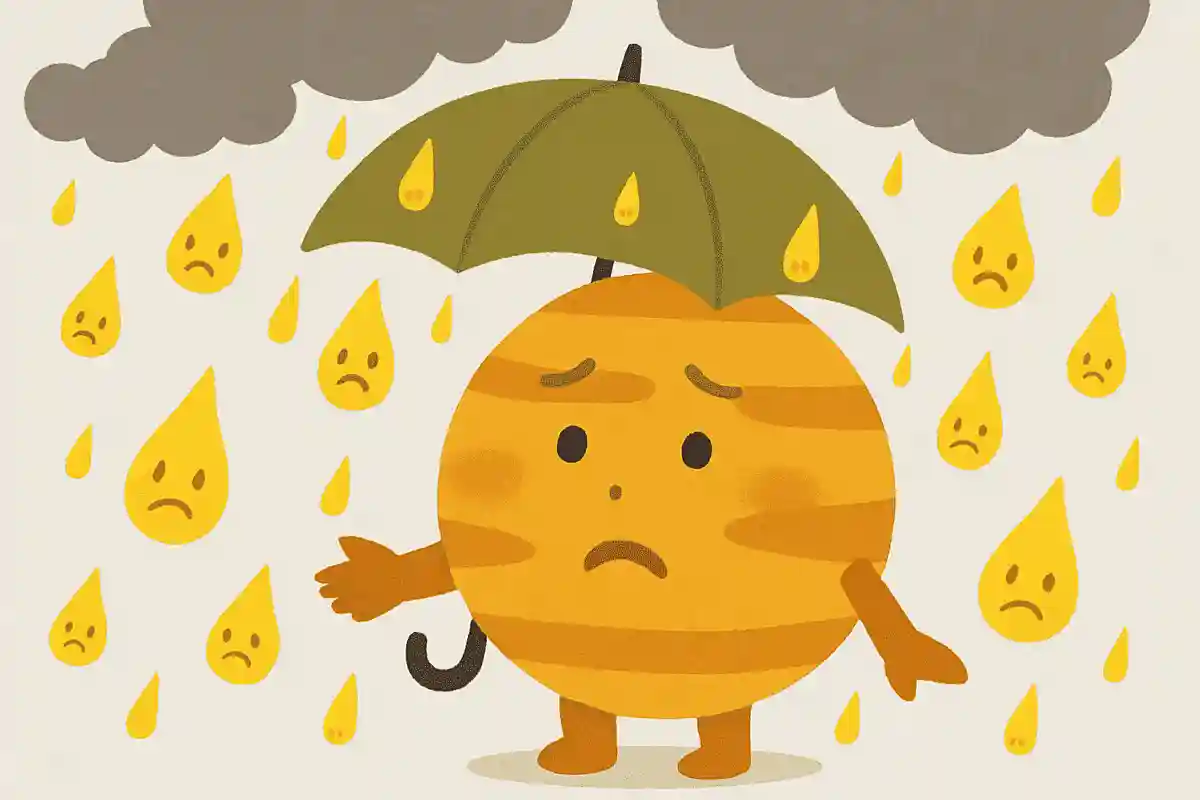
On Venus, the rain that falls is sulfuric acid.
Venus orbits just inside Earth’s path.
It’s said to have formed in the early solar system with a similar appearance to Earth, but today it’s an extremely hot, high-pressure world that’s nothing like ours.
Venus is shrouded in a thick atmosphere composed mostly of carbon dioxide.
Within that atmosphere, clouds made of sulfuric acid droplets stretch several kilometers thick, preventing sunlight from reaching the surface directly.
Sulfuric acid rain falls from these clouds, but because the surface is so hot, it evaporates before it can reach the ground.
A scorching world where sulfuric acid rain falls—our fascination with Venus never ends.