

[For Seniors] Classic spring songs to sing in April: A heartwarming moment with nostalgic children’s songs and kayōkyoku (Japanese popular songs)


In April, the cherry blossoms are in full bloom, and you can feel the arrival of a new season.In this gentle spring weather, why not hum some nostalgic songs together with older adults?Masterpieces that sing of departures, encounters, and farewells have the power to awaken memories hidden in everyone’s hearts.This time, we’ll introduce plenty of songs filled with spring scenes and hope.When everyone raises their voices together, smiles will come naturally, creating a heartwarming moment.May you spend a wonderful time overflowing with smiles, accompanied by singing.
- [For Seniors] Spring Songs You'll Want to Hum: Feel the Season with Nostalgic Classics
- [For Seniors] Recommended Spring Songs for People in Their 70s: A Collection of Nostalgic Spring Tunes
- [For Seniors] Songs to Hum in March: Heartwarming Moments with Nostalgic Classics that Evoke Spring
- [For Seniors] Songs Everyone Can Sing Together! A Roundup of Recommended Crowd-Pleasers
- [Spring Songs] Masterpieces to Listen to in April: Classic Tracks that Color the Month
- [For seniors] April haiku. Exciting
- [For Seniors] Spring Haiku. Spring Activity
- Spring songs from the early Showa era: a collection of kayōkyoku and shōka that evoke spring
- [Spring Songs] Classic and Latest Hit Collections Perfect for a Bright, Gentle Spring
- [Spring Songs Born in the Showa Era] A Curated Selection of Kayōkyoku That Colored the Times and Timeless Classics Still Sung Today
- [For Seniors] Haiku for March: Enjoying a Spring Moment with Famous Verses
- [For Seniors] A collection of nostalgic classics to sing in May: popular songs everyone can hum together
- March nursery rhymes & hand play songs! Spring songs you can enjoy with your kids
[For Seniors] Classic spring songs to sing in April. A heartwarming moment with nostalgic children’s songs and kayōkyoku (71–80)
Ladybug Sambacherisshu

Let me introduce a lovely song that captures the arrival of spring.
Its bright, buoyant rhythm and lyrics depicting tiny creatures celebrating a wedding are especially memorable.
Released in July 1973, it was a major hit, reaching No.
5 on the Oricon weekly chart.
It has long been cherished as a classic wedding song.
For many older listeners, it may also bring back fond memories.
It’s perfect when you want to savor the cheerful atmosphere of spring or lift your spirits.
If everyone sings and dances together, it’s sure to become a wonderful time filled with smiles.
loquatsakushi: mado michio / sakkyoku: isobe shigeru

On a calm, sunny day, why not imagine fruit ripening in a lush green garden? Created by Michio Mado and Shigeru Isobe, this piece is a gentle-toned children’s song first released in July 1953.
Its soothing melody and lyrics vividly evoke fruit growing beneath large leaves, basking in the sunlight.
It’s a perfect song to share with older adults, spending a moment together immersed in nostalgic memories of early summer.
As the gentle music flows, why not gaze at the greenery outside the window and enjoy a leisurely time?
Spring has come.Monbushō shōka

Set to the gentle melody of a Ministry of Education song, this piece depicts the calm arrival of spring.
The scene of spring returning to the mountains, villages, and fields spreads through a warm, tender vocal line.
Its tranquil tune vividly conveys the imagery of spring among Japan’s four seasons, imbued with a love for nature and the changing times of year.
Included in 1910 for the third grade of the “Elementary School Songs,” it was created by the renowned duo Tatsuyuki Takano and Teiichi Okano.
Featured in many music textbooks and song collections, it has often been performed at entrance ceremonies and spring events.
This work soothes the heart, making it a piece to enjoy slowly by a window in the warm sunlight.
It is a wonderful song for sharing the joy of spring’s arrival together with older adults.
[For Seniors] Classic Spring Songs to Sing in April: A Heartwarming Moment with Nostalgic Children’s Songs and Kayōkyoku (81–90)
A Hazy Moonlit NightSakushi: Takano Tatsuyuki / Sakkyoku: Okano Teiichi

‘Oborozukiyo’ is a song that celebrates a uniquely Japanese scene: the moon quietly illuminating fields of rapeseed blossoms and rice paddies.
Since it was included in an elementary school music textbook in 1914, it has been loved as a staple of choral music.
Try singing it gently to match the mood of the lyrics.
By the way, the title ‘Oborozukiyo’ refers to a spring night when the moon appears hazy.
It’s also worth noting that several pop-style arrangements of the song have been released.

On the Day of DepartureSakushi: Kojima Noboru / Sakkyoku: Sakamoto Hiromi

There is a song that many older adults love, often associated with the arrival of spring and graduation season.
Originally created at a junior high school in Saitama Prefecture as a gift to graduating students, it has since become a standard performed at schools across Japan.
With hopeful lyrics and a bright melody, it conveys courage and determination for a new beginning.
It also gained attention when it was used in a commercial featuring SMAP.
It’s a wonderful song that lets you look back on nostalgic memories while feeling hopeful about the future.
Why not listen to it together with older adults as an opportunity to reflect on life’s milestones?
A Letter Waiting for Springyoshida takurou

This is a famous song by Takuro Yoshida, woven in gentle, warm, and poetic language about letters exchanged between a man and a woman.
It carefully depicts two people, far apart, entrusting their feelings to letters as they eagerly await the arrival of spring.
Since its release in October 1979, it has continued to resonate with many hearts.
Highly acclaimed, it has been included on various classic albums such as “ONLY YOU ~since coming For Life~” and “Yoshida Takuro Best 60.” With its tender, heartwarming melody and a calm atmosphere reminiscent of the quiet moments spent reading old letters, this piece is perfect for singing or listening together with older adults while sharing nostalgic memories.
Let’s get married.yoshida takurou
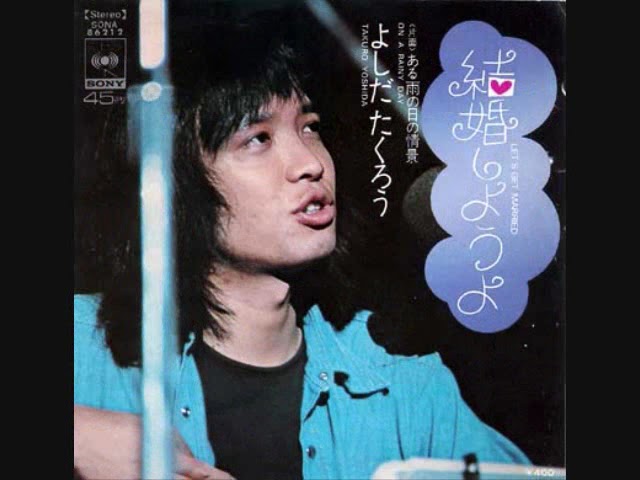
This work is memorable for its translucent, beautiful melody and sweet, poignant vocals.
Released in 1972, the song marked a major turning point in the history of folk music.
Centered on acoustic guitar, its warm sound creates an atmosphere that gently envelops feelings of love.
While poetically depicting springtime scenes, Takuro Yoshida expresses sincerity and pure affection.
Simple yet profound in its message, this classic reached a peak of No.
3 on the Oricon weekly chart.
Its heartwarming, gentle tone and tender vocal timbre enrich everyday moments.
It’s a song to savor slowly on a blossoming spring day, reminiscing with those of the same generation as memories come into full bloom.