

[For Seniors] Classic spring songs to sing in April: A heartwarming moment with nostalgic children’s songs and kayōkyoku (Japanese popular songs)


In April, the cherry blossoms are in full bloom, and you can feel the arrival of a new season.In this gentle spring weather, why not hum some nostalgic songs together with older adults?Masterpieces that sing of departures, encounters, and farewells have the power to awaken memories hidden in everyone’s hearts.This time, we’ll introduce plenty of songs filled with spring scenes and hope.When everyone raises their voices together, smiles will come naturally, creating a heartwarming moment.May you spend a wonderful time overflowing with smiles, accompanied by singing.
- [For Seniors] Spring Songs You'll Want to Hum: Feel the Season with Nostalgic Classics
- [For Seniors] Recommended Spring Songs for People in Their 70s: A Collection of Nostalgic Spring Tunes
- [For Seniors] Songs to Hum in March: Heartwarming Moments with Nostalgic Classics that Evoke Spring
- [For Seniors] Songs Everyone Can Sing Together! A Roundup of Recommended Crowd-Pleasers
- [Spring Songs] Masterpieces to Listen to in April: Classic Tracks that Color the Month
- [For seniors] April haiku. Exciting
- [For Seniors] Spring Haiku. Spring Activity
- Spring songs from the early Showa era: a collection of kayōkyoku and shōka that evoke spring
- [Spring Songs] Classic and Latest Hit Collections Perfect for a Bright, Gentle Spring
- [Spring Songs Born in the Showa Era] A Curated Selection of Kayōkyoku That Colored the Times and Timeless Classics Still Sung Today
- [For Seniors] Haiku for March: Enjoying a Spring Moment with Famous Verses
- [For Seniors] A collection of nostalgic classics to sing in May: popular songs everyone can hum together
- March nursery rhymes & hand play songs! Spring songs you can enjoy with your kids
[For Seniors] Classic Spring Songs to Sing in April: Heartwarming Moments with Nostalgic Children’s Songs and Kayōkyoku (21–30)
Anemone flaccida (nirinsō; literally “two-flowered anemone”)kawanaka miyuki
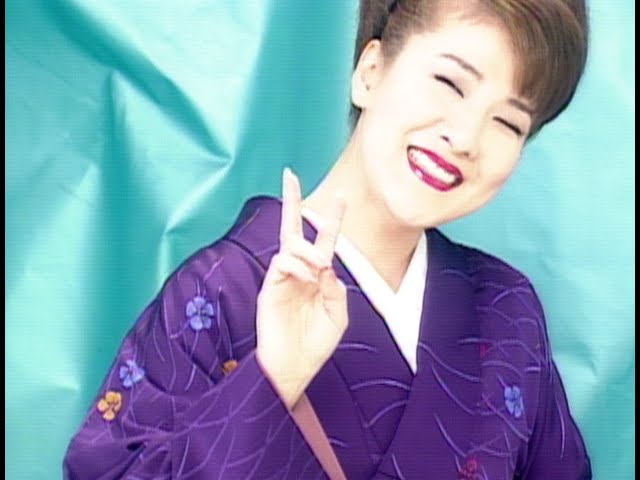
Have you heard of the delicate white flowers that bloom in clusters after enduring a harsh winter? This masterpiece, one of Miyuki Kawanaka’s signature songs, overlays their image with the bond of a married couple.
Released as a single in 1998, it later became a massive hit, selling over one million copies.
The story of a monument to the song being erected in a park in Itabashi Ward, Tokyo, also speaks to how deeply loved it is by so many people.
The warm lyrics addressing “you” evoke the very scene of a couple who have spent many years together.
Just humming it brings a gentle feeling, and it’s best enjoyed while listening slowly in the spring sunshine.
How about spending a peaceful moment recalling the days you spent with someone dear?
Japanese bush warblerSakushi: Hayashi Ryūha / Sakkyoku: Inoue Takeshi

Do you know the children’s song that takes as its theme the charming call of the bird beloved as a herald of spring? With lyrics by Yanagiha Hayashi and music by Takeshi Inoue, this piece was included in the government-issued textbook “Uta no Hon: Upper” published in March 1941.
You can almost picture it descending from plum-blossomed twigs and snow-dappled mountains down into the village.
Its light, lilting melody—like the bird’s distinctive call set straight to music—has a delight you can’t forget once you hear it.
Although it appeared in a wartime textbook, it is a gentle work that evokes a tranquil spring scene.
Hum it under the warm sunshine, and memories of childhood classrooms and nostalgic landscapes will come back, surely brightening your heart.
[For Seniors] Classic Spring Songs to Sing in April: Heartwarming Moments with Nostalgic Children's Songs and Kayōkyoku (31–40)
Until we meet againOzaki Kiyohiko

Kiyohiko Ozaki, who took the Showa-era pop scene by storm with his overwhelming vocal ability and rich voice.
Released in March 1971, “Mata Au Hi Made” is an enduring masterpiece with lyrics by Yu Aku and music by Kyohei Tsutsumi, and it won the 13th Japan Record Award that same year.
Though it depicts the parting of a man and woman, it never turns maudlin; instead, its powerful message of stepping into the future while believing in a reunion is truly moving.
The following year, 1972, it was also chosen as the entrance march for the spring National High School Baseball Invitational Tournament, making it perfectly suited to a season of new beginnings.
Why not let the spring warmth inspire you to reminisce about your youthful days? If older listeners hum along together with friends, it’s sure to create a warm moment filled with fresh, beaming smiles.
Goodbye for today.Moriyama Ryoko

This classic by Ryoko Moriyama lights a warm glow in the heart during March, the season of farewells.
The lyrics, filled with unchanging friendship and the hope of reunion, let us feel hope even amid loneliness.
Originally born out of volunteer activities in 1966, it was released in 1967 as the B-side to the single “Love Is Blue.” Since then, it has been loved for many years, being broadcast on NHK’s “Minna no Uta,” selected in 2007 for the Agency for Cultural Affairs’ “100 Best Japanese Songs,” and even adopted as a station melody in 2018.
Its simple, beautiful melody is easy to hum—perfect for recreation time or moments of nostalgic reflection.
How about joining your voices together, reaffirming the bonds of friendship with everyone?
Height comparisonSakushi: Umino Atsushi / Sakkyoku: Nakayama Shinpei

As Children’s Day approaches, many people may find themselves recalling the marks on the pillar.
This children’s song, written by Atsushi Unno with his younger brother in mind—seventeen years his junior—depicts a warm scene where the older brother measures his little brother’s height.
It is said that the lyrics also capture the loneliness of not having met the previous year, preserved as a two-year record.
With music composed by Shinpei Nakayama, it was published as a collection of sheet music in May 1923.
The song has continued to be sung for many years and was selected in 2007 as one of the “100 Best Japanese Songs.” As you feel the May breeze, why not look back on nostalgic memories with your siblings and family? Enjoy this seasonal song with a bright, uplifting spirit, as if gazing up at the majestic Mount Fuji.
Big SongSakushi Sakkyoku: Nakajima Kōichi

A classic beloved at camps and recreation events, this famous song—written and composed by Koichi Nakajima—features lyrics that sing of the grandeur of nature and of hope, along with a distinctive round style where voices chase one another.
Since it first aired on NHK’s “Minna no Uta” in June 1979, it has been included in textbooks and sung widely across generations.
Its worldview, which expands from serene scenes like “mountains” and “sky” to inner realms like “heart” and “dreams,” is sure to resonate deeply with older adults rich in life experience.
The call-and-response format, where participants follow the leader’s voice, makes it easy to sing without strain and is perfect for creating a natural sense of unity.
Why not enjoy the pleasure of blending your voices together to that nostalgic melody?
cuckooSakushi: Tomoi Kumiko

Can’t you almost feel the fresh morning air just from the spring-heralding calls of birds drifting out of the forest? This piece, originally a German folk song with Japanese lyrics by Kumiko Tomoi, evokes the mist-shrouded quiet woods and a mother bird’s gentle care with rich sensitivity.
Included in the sheet music collection “Recital Pieces for Children: Little-Handed Pianists 1,” released in April 2001, it has long been cherished in music education settings.
Its simple melody is perfect for a round; layering voices in playful pursuit is sure to bring out smiles.
It’s a classic that many grandchildren learn in music classes, making it ideal for cross-generational sing-alongs.
Why not spend a peaceful moment wrapped in its nostalgic sound?