

[Trivia] Challenge! Spring General Knowledge Quiz


Spring is a season that makes you feel excited just from the warmth of the sunshine.
Flowers and plants burst into vivid color, you stop needing long sleeves, and it’s the kind of time that makes you think, “Maybe I should start something new.”
It’s also the season when new chapters begin, like starting school or a new job.
In this article, we’ll present a trivia quiz themed around “spring”!
Whether you want to fill a little spare time or spark conversations with family and friends, give it a try!
- [3-Choice Quiz] Cherry Blossom Trivia You'll Want to Share with Someone
- [Interesting] Compilation of Trivia Quiz Questions
- [Killing Time] A Collection of Fun Trivia Quizzes You'll Want to Share with Someone
- [For Elementary School Students] Trivia About April
- Shall we delve into the season of new beginnings? April Trivia Quiz!
- [For Seniors] Spring-themed quizzes: Fun trivia questions that help prevent dementia while you solve them
- [Spring Quotes] Glamorous words perfect for adding color to a new beginning
- [Battle of Wits] Stimulate your intellectual curiosity! Quiz questions that get adults excited
- A three-choice quiz of useful trivia: a collection of questions you can use in everyday life
- Trivia about cherry blossoms: a roundup of fun facts to make springtime hanami even more enjoyable
- [Trick Quiz] Quiz Questions That Excite Everyone from Kids to Adults
- [Sakura Quiz] Trivia & Fun Facts Quiz about Cherry Blossoms for Kids
- A quiz of fun trivia: bite-sized knowledge that leads to new insights.
[Trivia] Challenge! Spring General Knowledge Quiz (11–20)
Which bay in Japan is the only one where sakura shrimp fishing is conducted?

See the answer
Suruga Bay
The sakura shrimp fishery, known as a spring tradition, takes place only in Suruga Bay in Shizuoka Prefecture in Japan. It’s a delicacy unique to Suruga Bay, which is also one of Japan’s three deepest bays. While you’ll often see dried sakura shrimp in supermarkets, around the production area they’re also eaten freshly boiled (kama-age), among other preparations.

What is the name of the cherry leaves used for sakuramochi?
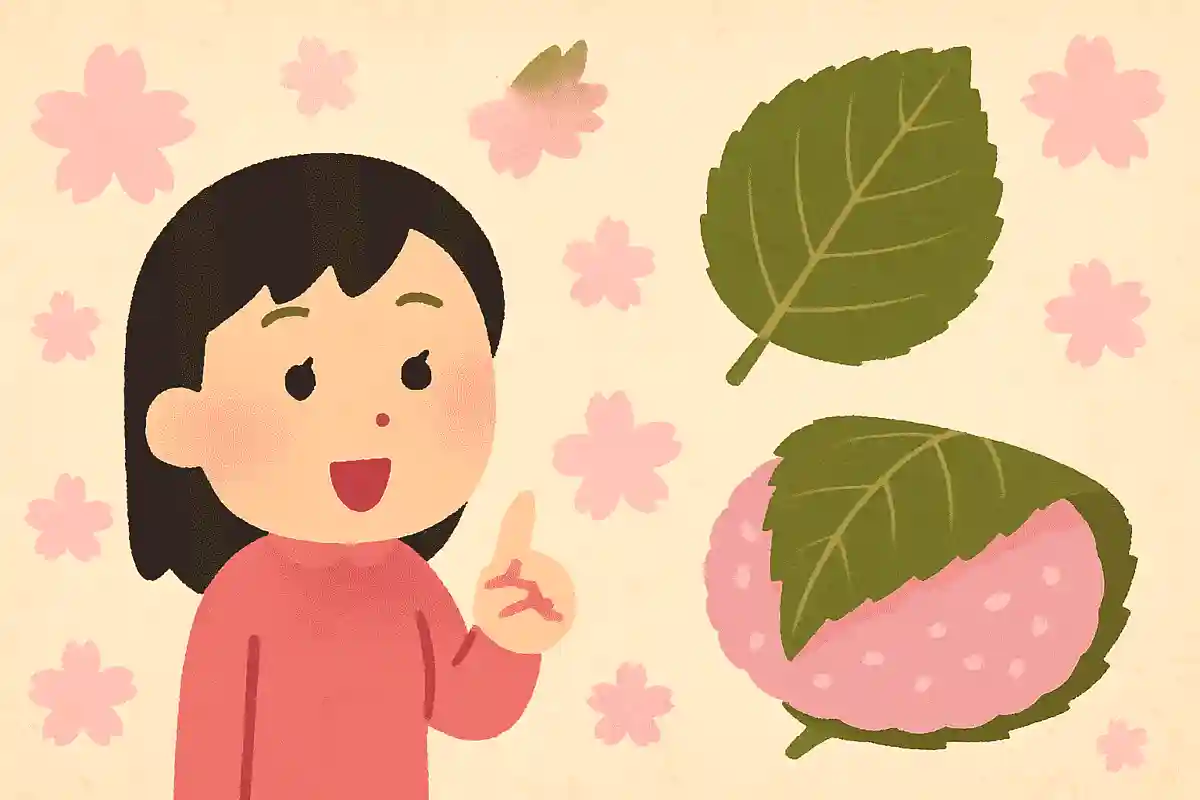
See the answer
Oshima cherry
The leaves used to wrap sakuramochi are from a cherry tree called Oshima-zakura. They’re chosen because they have a strong fragrance and large leaves. Wrapping sakuramochi with these leaves is said to impart the leaf’s aroma and help prevent drying and bacterial growth.

In which prefecture is the Yamataka Jindai-zakura, the oldest cherry tree in Japan, located?
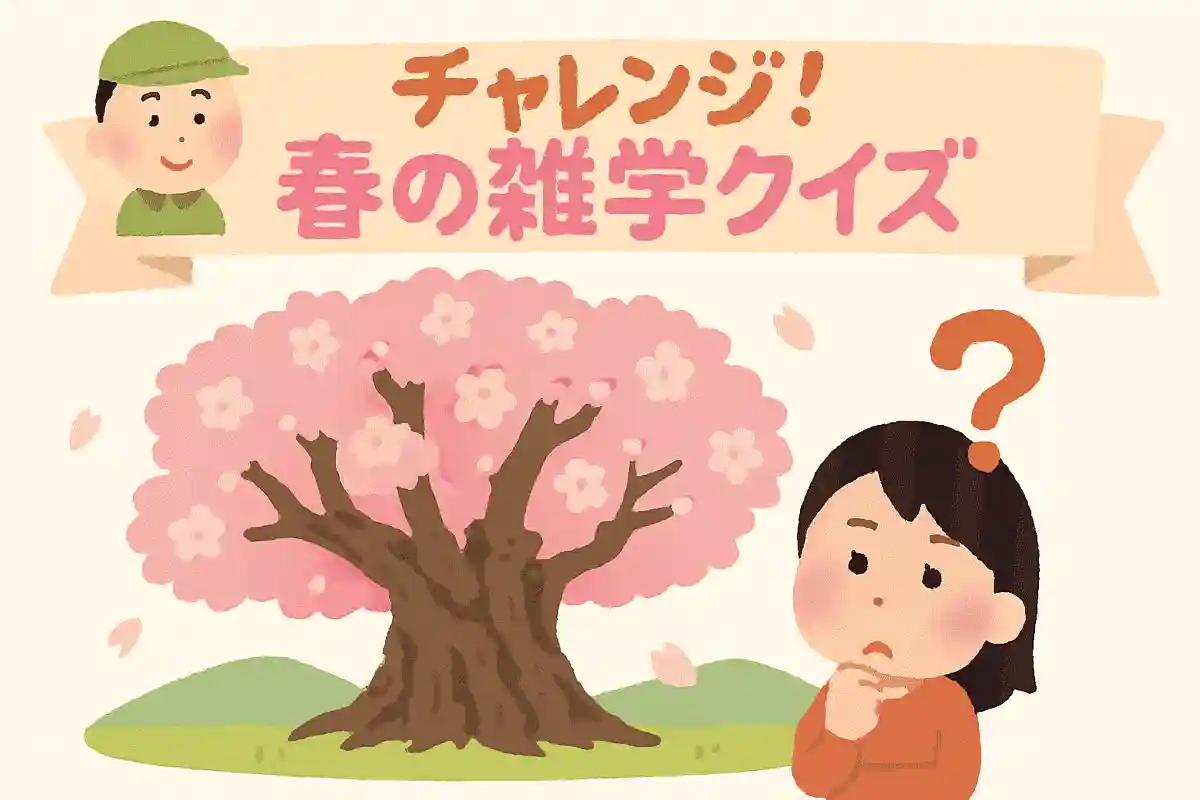
See the answer
Yamanashi Prefecture
The Yamataka Jindai-zakura, Japan’s oldest cherry tree, stands within the grounds of Jissoji Temple in Hokuto City, Yamanashi Prefecture. Its age is estimated at around 2,000 years, and it is not a Somei Yoshino but a variety called Edohigan-zakura. In the Taisho era, it was designated a Natural Monument of Japan.
Why were old school backpacks only black and red?
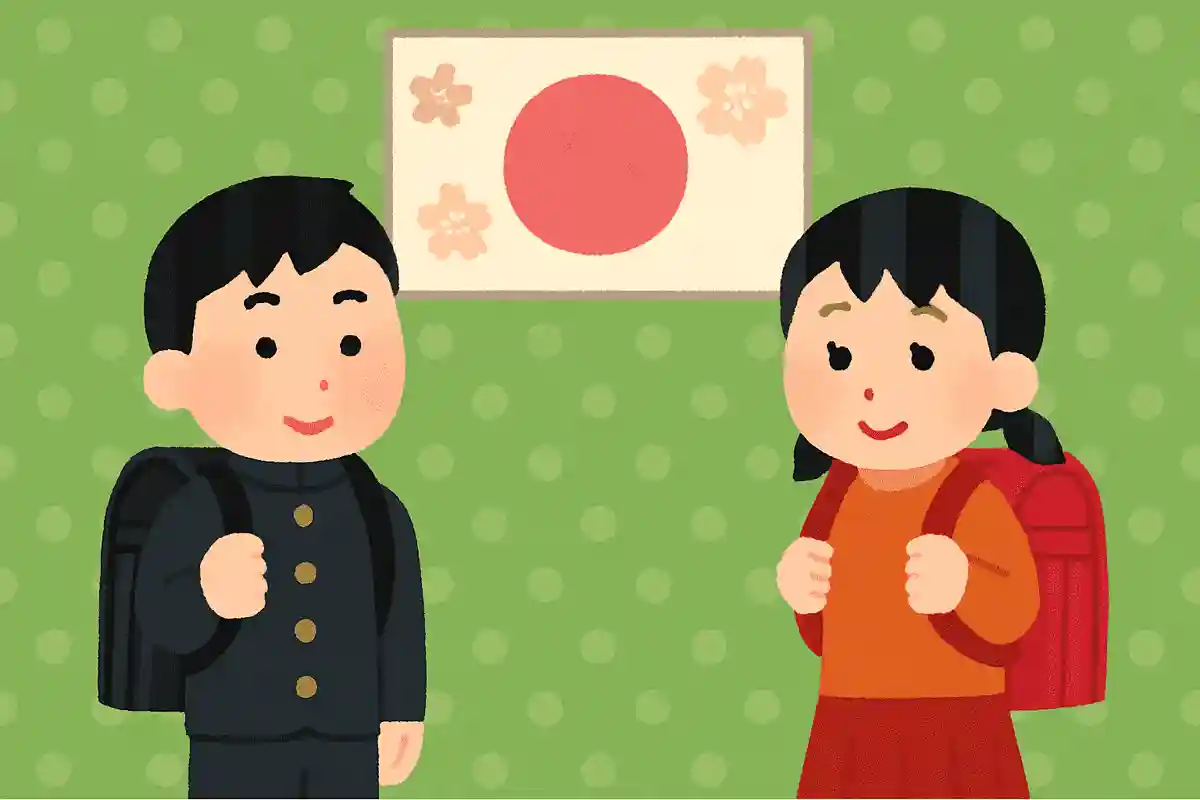
See the answer
To conceal uneven coloring
Color irregularities can occur in the leather materials used during the production of randoseru. Black and red tend to make such irregularities less noticeable, so they were commonly used to conceal the appearance.
At how many blossoms on a single tree is the cherry blossom blooming declared?
See the answer
5 to 6 flowers
The cherry blossom opening declaration is made when 5 to 6 flowers bloom on a designated sample cherry tree. These sample trees are located in each prefecture and on outlying islands, and observations and declarations are made at each location. Observations are basically conducted using Somei Yoshino trees, but in Hokkaido and Okinawa, different cherry varieties are used.
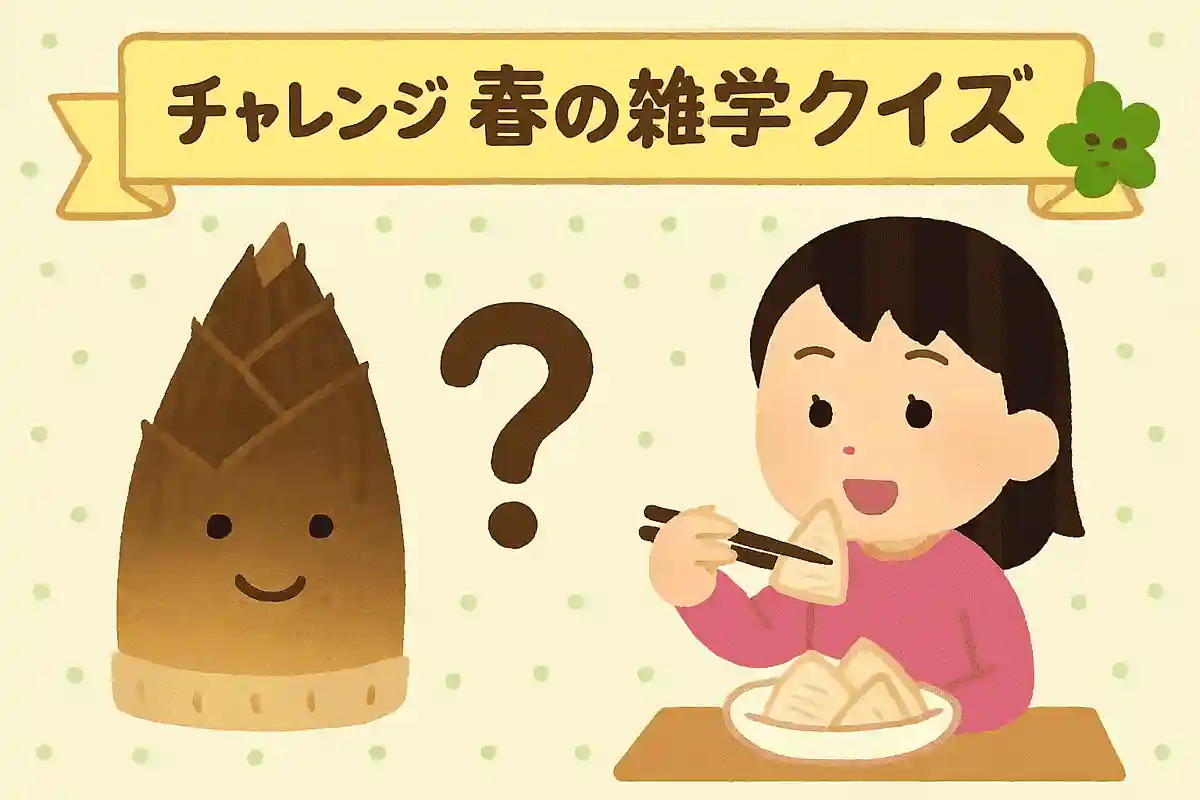
Which part of bamboo shoots do we eat?
See the answer
stem
Bamboo shoots are in season in spring. Because they grow in the soil, you might think we’re eating the roots, but in fact what we usually eat is the stem of the bamboo shoot. They have husks to protect themselves from wild animals, and as these husks peel away over time, they become bamboo.
[Trivia] Challenge! Spring General-Knowledge Quiz (21–30)
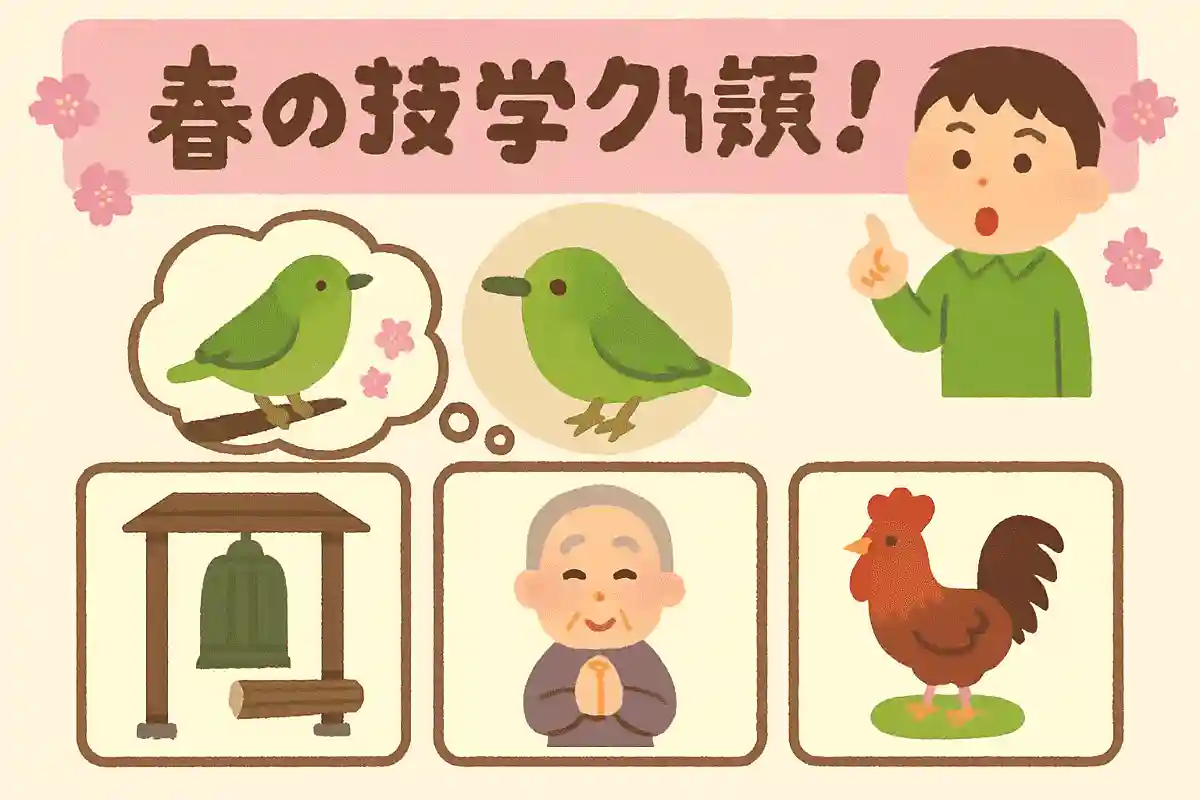
What is another name for the Japanese bush warbler?
See the answer
harbinger of spring (often refers to the Japanese bush warbler, 'uguisu')
The Japanese bush warbler is also known as the “harbinger of spring.” It’s called this because it begins singing earlier than any other bird in early spring, just when it feels like you can almost hear the footsteps of the season approaching. By the way, the famous “hoo-hokekyo” call is heard only in spring; in other seasons, it sings differently.