

[Trivia] Challenge! Spring General Knowledge Quiz


Spring is a season that makes you feel excited just from the warmth of the sunshine.
Flowers and plants burst into vivid color, you stop needing long sleeves, and it’s the kind of time that makes you think, “Maybe I should start something new.”
It’s also the season when new chapters begin, like starting school or a new job.
In this article, we’ll present a trivia quiz themed around “spring”!
Whether you want to fill a little spare time or spark conversations with family and friends, give it a try!
- [3-Choice Quiz] Cherry Blossom Trivia You'll Want to Share with Someone
- [Interesting] Compilation of Trivia Quiz Questions
- [Killing Time] A Collection of Fun Trivia Quizzes You'll Want to Share with Someone
- [For Elementary School Students] Trivia About April
- Shall we delve into the season of new beginnings? April Trivia Quiz!
- [For Seniors] Spring-themed quizzes: Fun trivia questions that help prevent dementia while you solve them
- [Spring Quotes] Glamorous words perfect for adding color to a new beginning
- [Battle of Wits] Stimulate your intellectual curiosity! Quiz questions that get adults excited
- A three-choice quiz of useful trivia: a collection of questions you can use in everyday life
- Trivia about cherry blossoms: a roundup of fun facts to make springtime hanami even more enjoyable
- [Trick Quiz] Quiz Questions That Excite Everyone from Kids to Adults
- [Sakura Quiz] Trivia & Fun Facts Quiz about Cherry Blossoms for Kids
- A quiz of fun trivia: bite-sized knowledge that leads to new insights.
[Trivia] Challenge! Spring General-Knowledge Quiz (21–30)
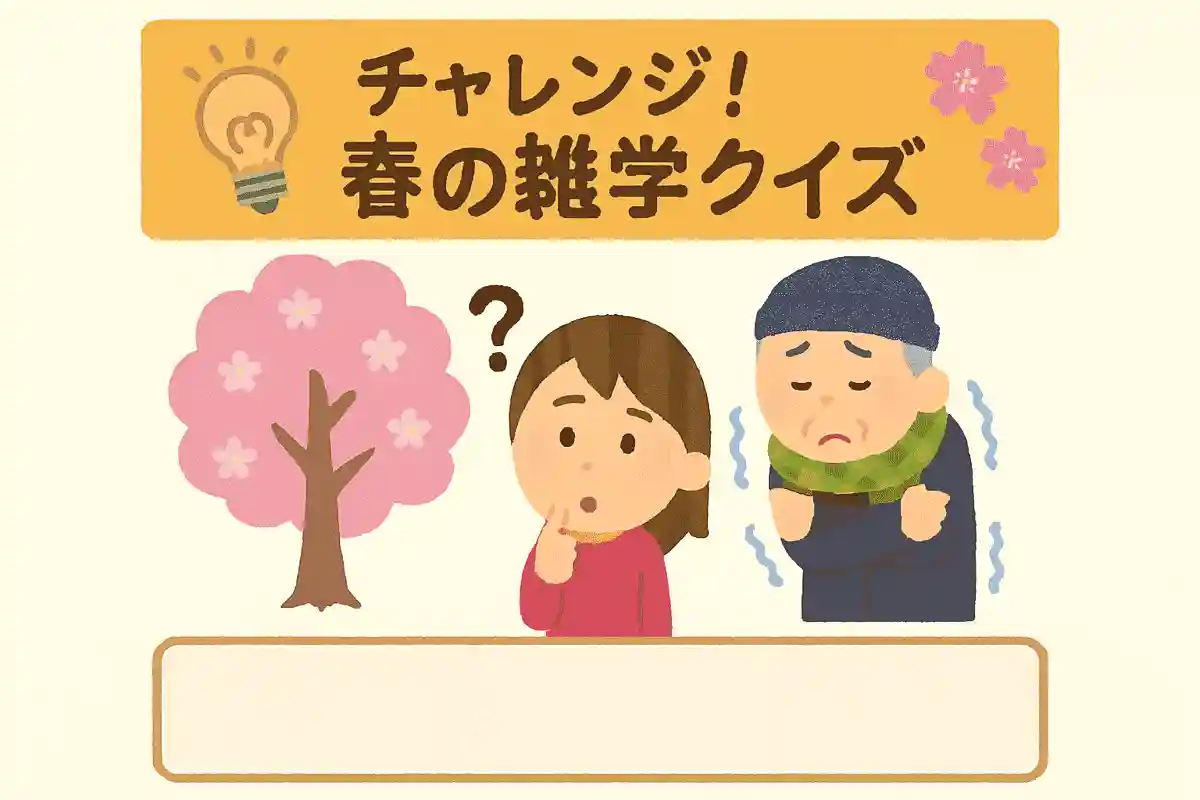
What do you call it when the cold returns in spring?
See the answer
return of the cold snap
As the warmth of spring continues, a sudden return of winter-like cold is called “kannomodori.” Another term used around the same time is “hanabie,” which refers to the chill that comes during cherry blossom season, when people go out for flower viewing. Even in warm spring, mornings and evenings can be cold, regardless of kannomodori or hanabie. If you go to see the cherry blossoms at night, be mindful of what you wear!

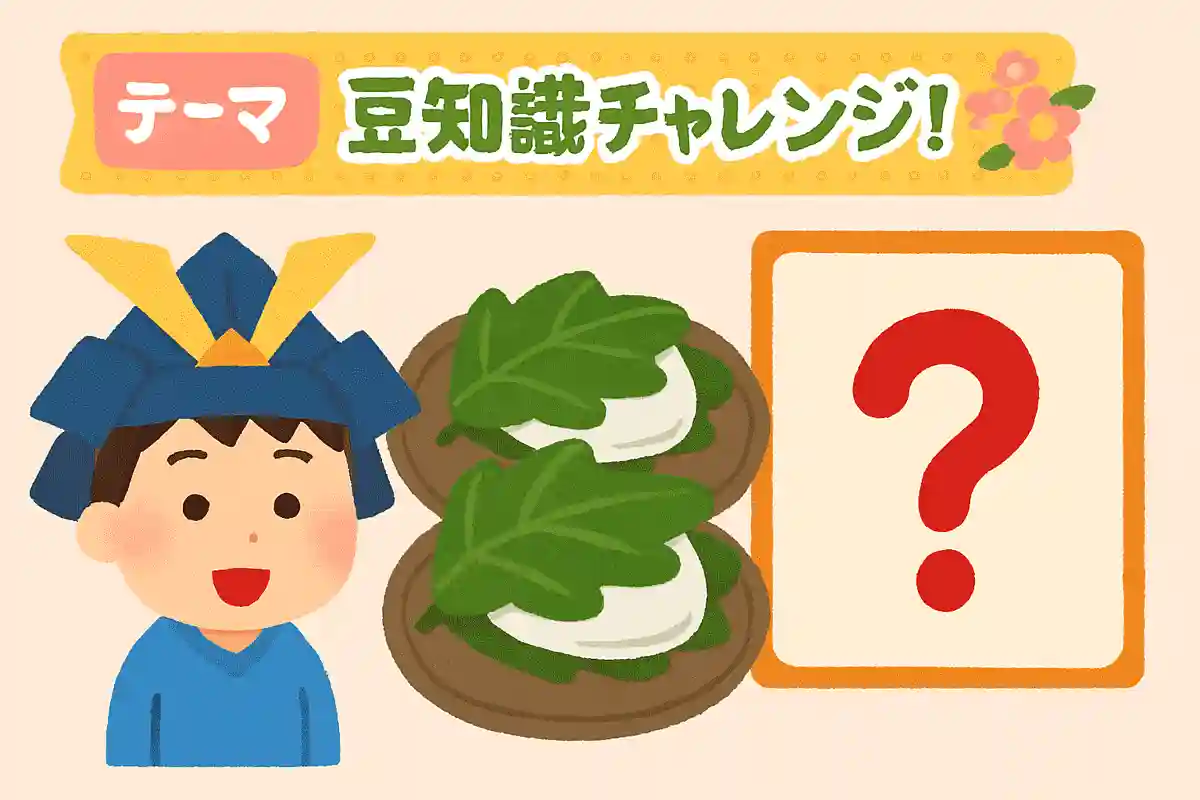
What wishes are embodied in the kashiwa mochi eaten during the Boys’ Festival (Tango no Sekku)?
See the answer
prosperity of descendants
Kashiwa-mochi, eaten on Children’s Day, May 5th, during the Boys’ Festival, carries the wish for the prosperity of one’s descendants. The oak tree has the characteristic that its old leaves do not fall until new buds appear, which came to symbolize an unbroken family line and thus became associated with the flourishing of future generations.
What kind of flower blooms?

Let’s look at seeds and bulbs and guess the answer! What flower will bloom? Here are some quiz ideas.
I’m sure your school or local park has many kinds of flowers in bloom.
This time, try predicting what flower will bloom from photos of seeds and bulbs, and answer the quiz! You might see flowers you already know.
Share what you learn with your friends and family! These quiz ideas will help you grow to love plants and flowers in nature even more.
Which theme park opened on April 15, 1983?
See the answer
Tokyo Disneyland
The theme park that opened on April 15, 1983 is Tokyo Disneyland, located in Urayasu, Chiba Prefecture. It was the first Disney park to open outside the United States, and its tagline is “The Kingdom of Dreams and Magic.” Eighteen years after its opening, in 2001, Tokyo DisneySea opened next door.
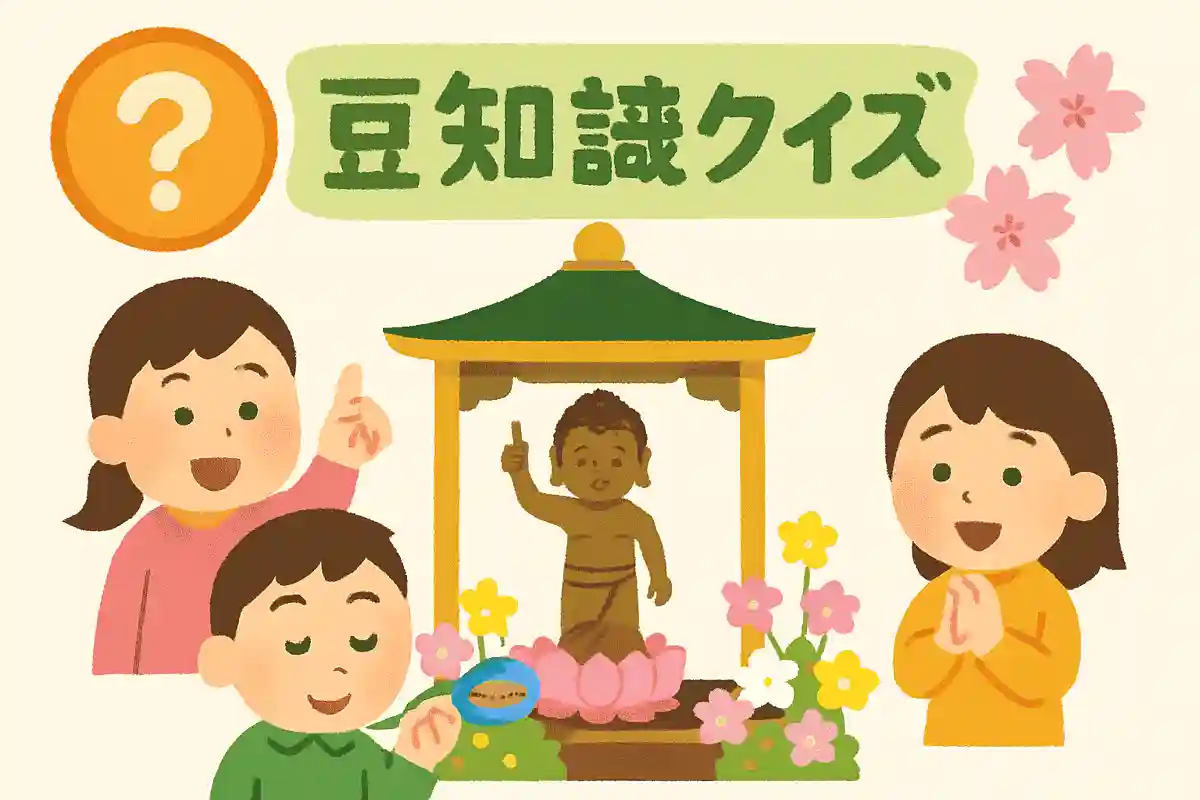
What is the festival that celebrates the Buddha’s birthday?
See the answer
flower festival
The festival that celebrates the Buddha’s birthday is called “Hana Matsuri” (Flower Festival). It is also known as Kanbutsu-e and is held every year on April 8. People pour sweet tea over a statue of the newborn Buddha enshrined in a flower-adorned pavilion, praying for children’s health and for their wishes to come true.
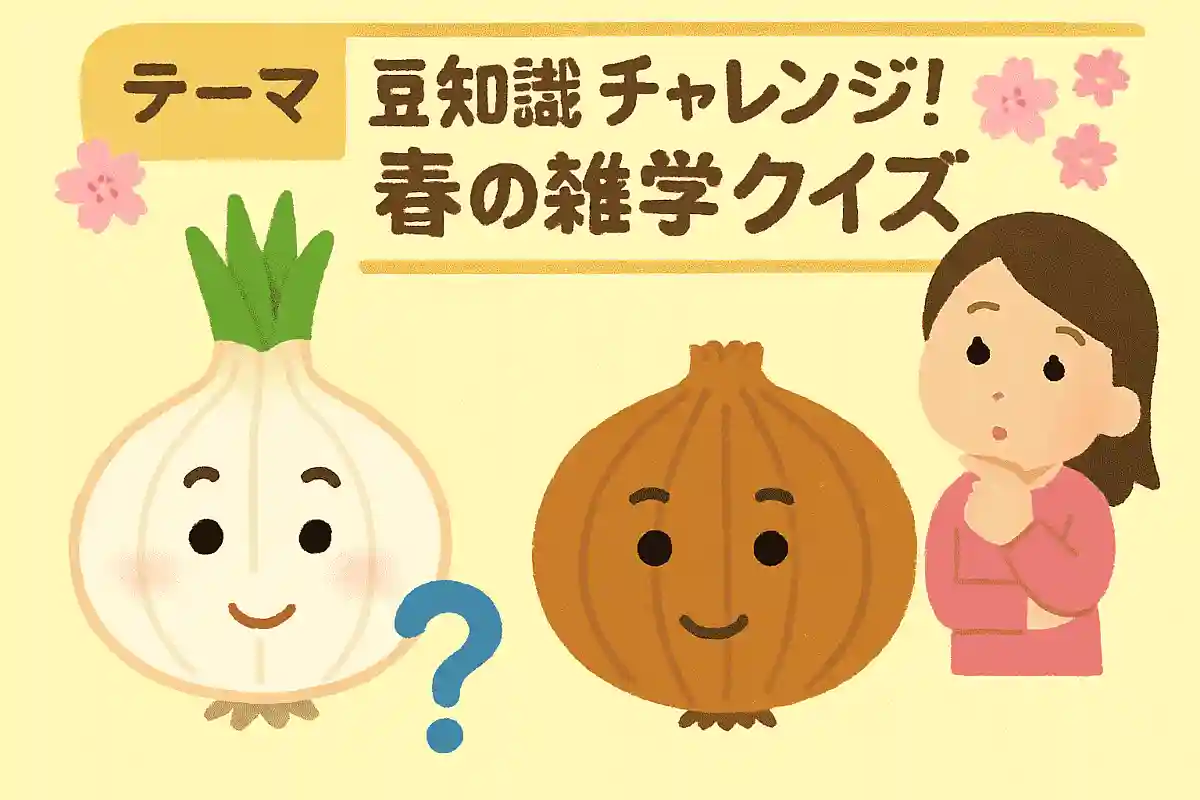
What’s the difference between new onions and regular onions?
See the answer
It is shipped immediately after harvest.
Regular onions are shipped after being dried following harvest. In contrast, new onions are shipped immediately after harvest. As a result, they contain more moisture, are softer, and are less pungent than regular onions, making them easier to eat raw. However, they do not keep well, so be sure to consume them promptly.
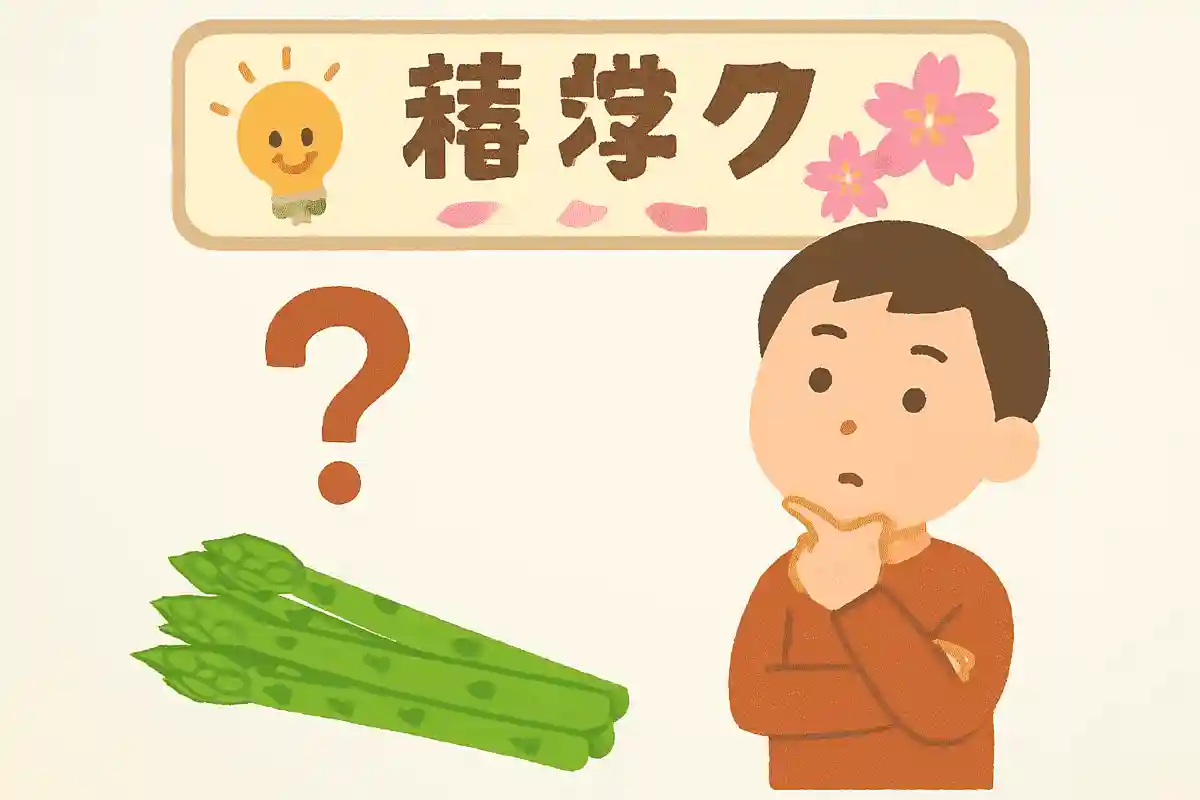
What is this vegetable, “ryūkyūsai” (literally “dragon whisker vegetable”), which is in season in spring?
See the answer
asparagus
“Ryūhizuna” (literally “dragon’s beard greens”) is the kanji used to represent asparagus, which is in season in spring. The name comes from reasons such as the asparagus shoot looking like a dragon’s beard. Asparagus is rich in nutrients, including aspartic acid, which may help with fatigue recovery, and folic acid, which is recommended for pregnant women.