

Trivia about cherry blossoms: a roundup of fun facts to make springtime hanami even more enjoyable


Cherry blossoms, which bloom with beautiful flowers in spring, are a familiar plant to the Japanese, aren’t they? Of course, we often enjoy hanami (flower viewing), and you probably also encounter cherry blossoms frequently in works themed around spring.
In this article, we’ve gathered facts and trivia about sakura, which have long been loved by the Japanese.
We’ll introduce bite-sized knowledge that will make you more of an expert on cherry blossoms—stories, history, and more—about these trees that bloom in shades of pink and white.
Deepening your knowledge of sakura, a quintessential symbol of spring, will help you enjoy the cherry blossom season even more.
Be sure to check it out!
Fun facts about cherry blossoms: A collection of trivia to make spring hanami even more enjoyable (1–10)
The leaves used for sakuramochi are from the Oshima cherry tree.
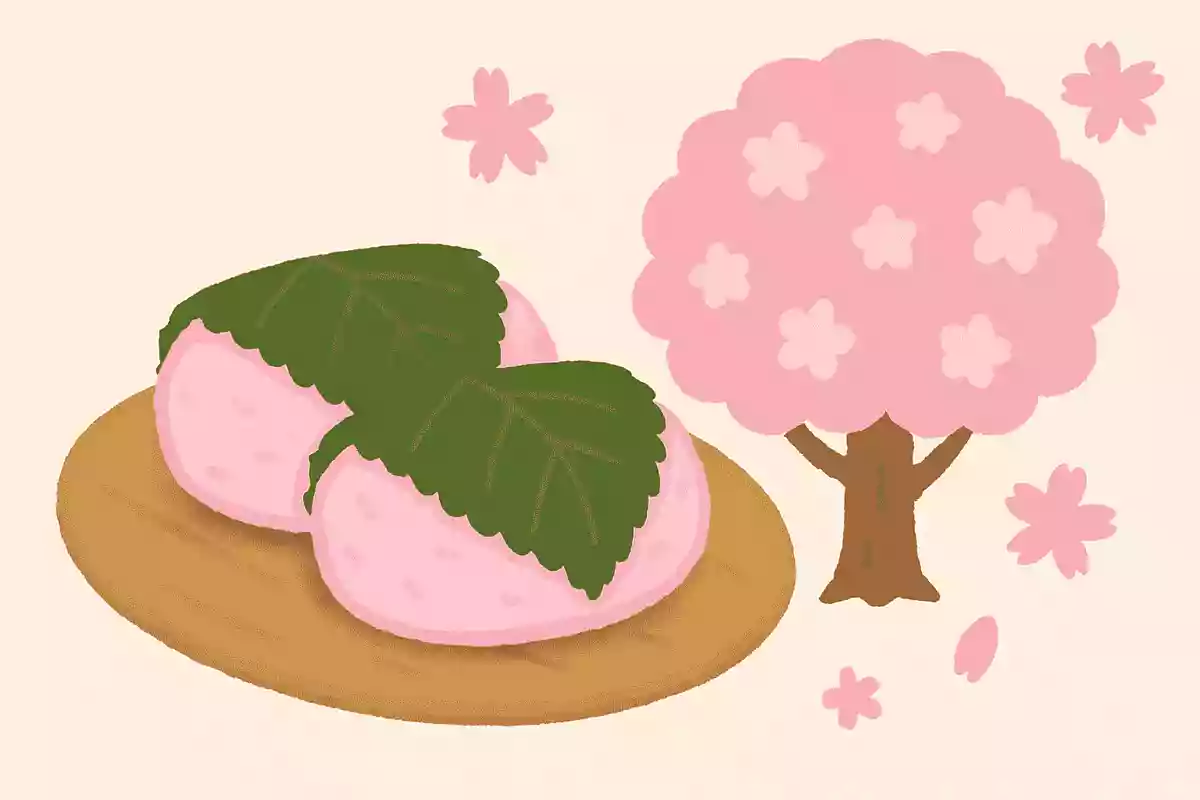
Regardless of whether they are the Kansai or Kanto style, sakura mochi are wrapped with leaves.
Those leaves are not from the commonly seen Somei Yoshino cherry, but from a variety called Oshima-zakura.
Oshima-zakura is widely distributed in the Izu Islands and the Boso Peninsula.
Compared to other cherry trees, it contains a higher amount of an aromatic compound called coumarin, and its fragrance is enhanced when the leaves are salted.
For this reason, they came to be used to add aroma to sakura mochi.

In the Nara period, people held flower-viewing parties not for cherry blossoms but for plum blossoms.
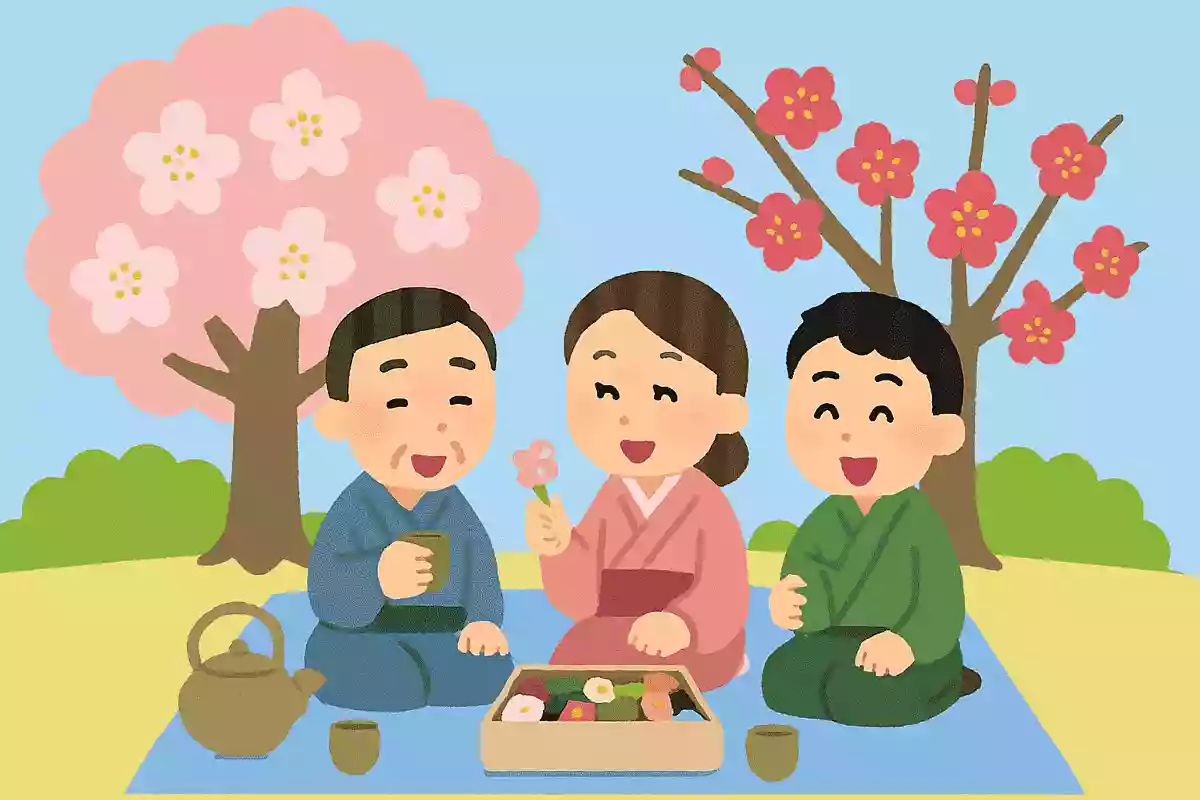
When it comes to hanami (flower viewing), most people probably think of cherry blossoms, but in the Nara period people actually viewed plum blossoms instead.
After plums were introduced from China, they became very popular, and “hanami” came to mean viewing plum blossoms.
Another reason was that cherry blossoms were considered sacred.
In the Manyoshu, compiled at the time, there are said to be more poems about plums than cherries.
Later, with the abolition of the missions to Tang China and a growing focus on Japanese culture, from around the Heian period onward hanami came to mean cherry blossoms.
The rumor that cherry blossom pollen contains stimulants is false.
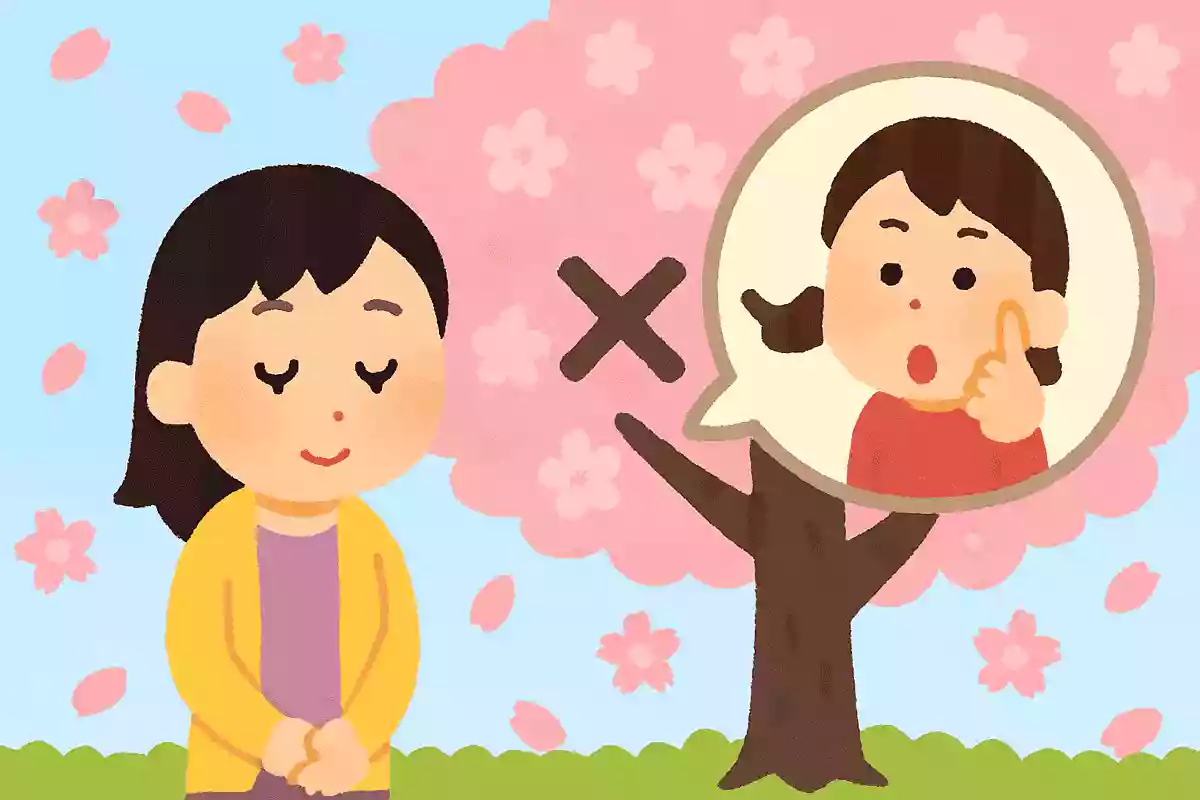
Some people may feel excited when they look at cherry blossoms.
Some might think it’s because cherry blossom pollen contains a substance called ephedrine that excites the mood, but that’s incorrect.
This rumor seems to have spread due to a story told in a certain work, but cherry blossom pollen does not contain ephedrine in the first place.
The reason you feel elevated when viewing cherry blossoms is that you’re captivated by their beauty or enjoying food and company at a hanami gathering.
Somei Yoshino cherry trees all originate from a single parent tree.
Many people look forward to cherry-blossom viewing under trees adorned with pink flowers.
When in full bloom, cherry blossoms create an elegant atmosphere while retaining the delicacy of their petals.
Somei Yoshino is a variety commonly seen during hanami, but in fact, it originated from a single tree.
It was created by crossing two species: Edo Higan-zakura and Oshima-zakura.
Only the beautifully blooming specimens were propagated—through methods such as grafting—so genetically identical Somei Yoshino trees multiplied.
Somei Yoshino rarely bears cherry-like seeds.
This is because, due to the nature of plants that cannot set fruit with identical genes, they do not produce fruit when genetically the same.

There are over 600 varieties of cherry trees.
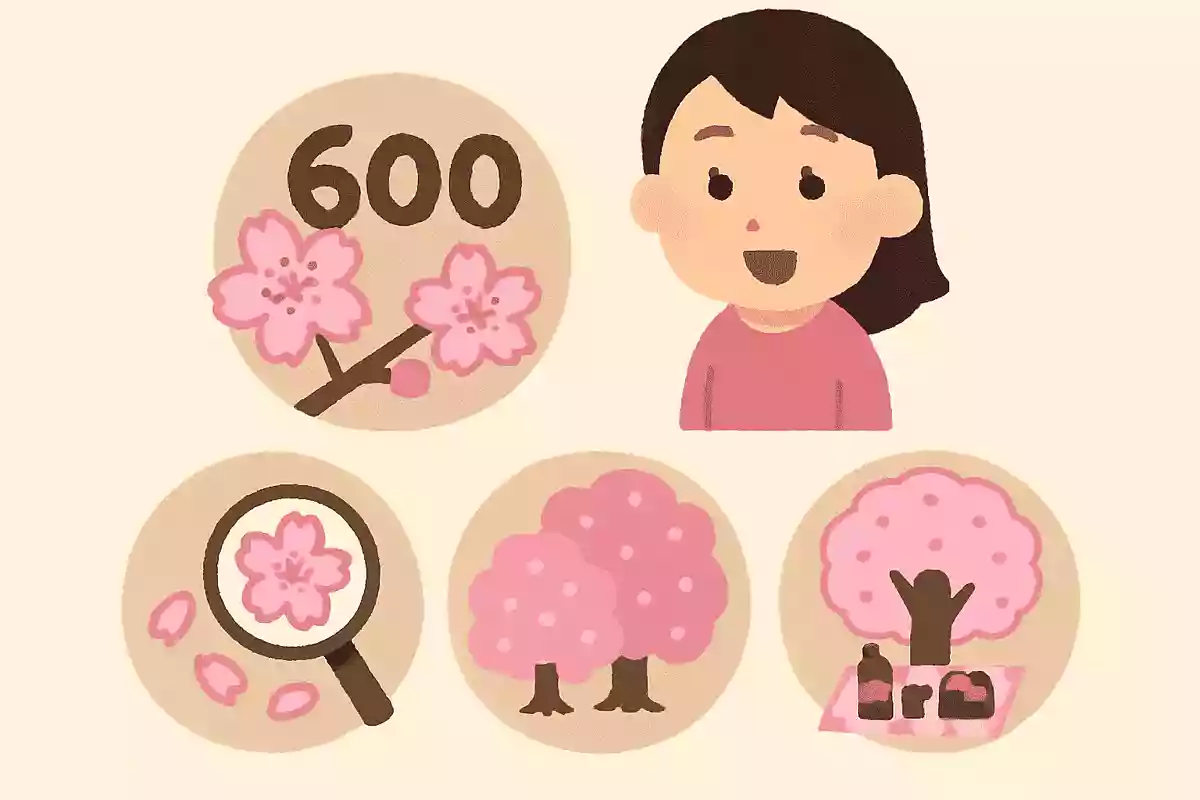
Speaking of cherry blossoms, the Somei Yoshino is famous and is said to account for 80 percent of the cherry trees in Japan.
However, there are actually over 600 kinds of cherry trees in Japan.
There are 11 wild species that have been native since ancient times, such as the Yamazakura, and if you include the variants created by crossbreeding a few species as well as ornamental cultivars developed through selective breeding, the total is said to exceed 200.
Moreover, depending on the classification method, the number can surpass 600.
Incidentally, there are over 100 kinds that emerged purely through natural crossbreeding.
Why not look for types other than the Somei Yoshino—such as Kawazu-zakura or Yaezakura—which are relatively easy to find around town?
Because Okinawa Prefecture has a warm climate, Somei Yoshino cherry trees do not bloom.
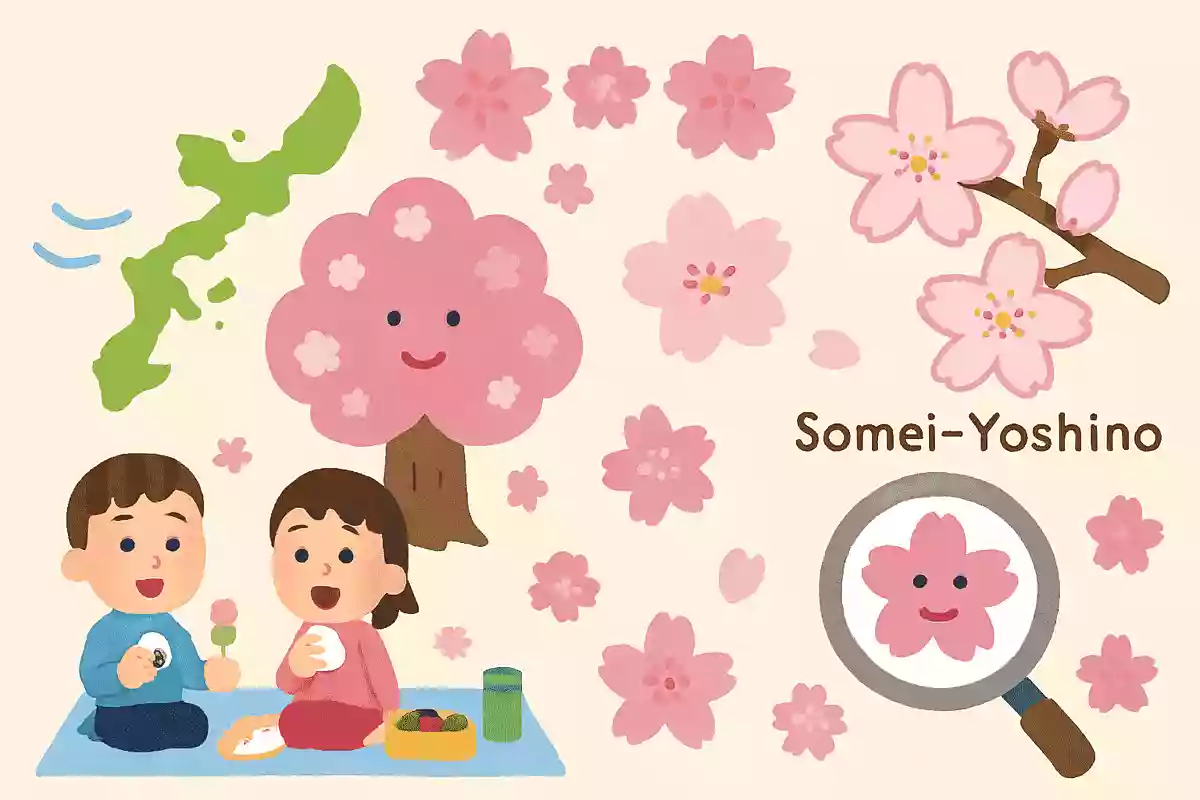
It’s easy to assume that Somei-Yoshino cherry trees bloom everywhere in Japan, but in fact they don’t grow well in Okinawa.
The reason is the climate.
Somei-Yoshino requires winter chill to develop properly, so it’s difficult for them to grow in Okinawa, where the weather is warm and temperatures rarely drop low even in midwinter.
For this reason, when announcing the start of cherry blossom season there, observations are made using a variety called Kanhi-zakura (Taiwan cherry), which grows more easily in warm climates.
Kanhi-zakura produces flowers that are a deeper pink than those of Somei-Yoshino.
The reason there are many cherry trees along riverbanks is to reinforce the ground.
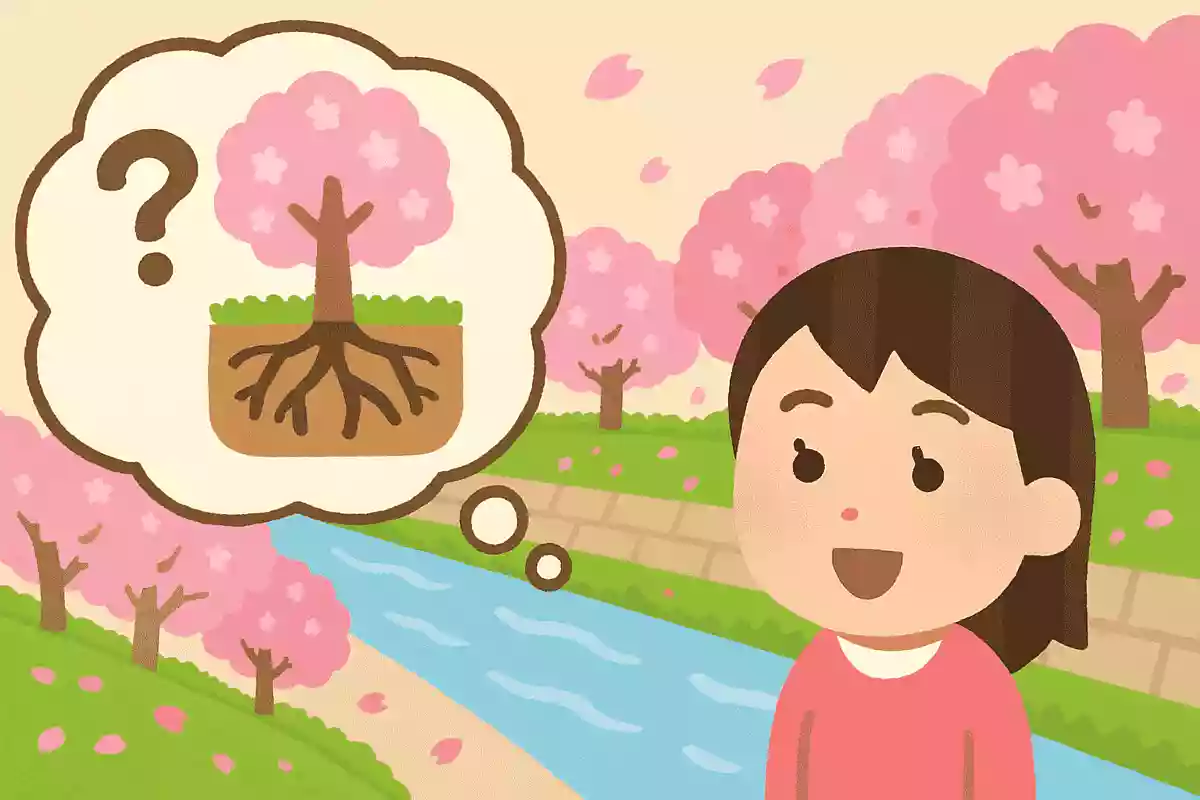
Spring is the season to enjoy cherry blossoms in full bloom, isn’t it? When the blossoms open, some of you may notice the many cherry trees planted along riverbanks.
It turns out that planting cherry trees along rivers was originally a disaster-prevention measure.
In the Edo period, heavy rains sometimes caused rivers to overflow and levees to collapse.
For officials, repeatedly repairing levees every time they broke was a costly and time-consuming headache.
So they came up with the idea of planting cherry trees near the rivers to attract crowds for hanami, having people’s foot traffic pack down the levees.
In addition, as the cherry trees took root, they were expected to help stabilize the river’s moist, weak soil.