

Trivia about cherry blossoms: a roundup of fun facts to make springtime hanami even more enjoyable


Cherry blossoms, which bloom with beautiful flowers in spring, are a familiar plant to the Japanese, aren’t they? Of course, we often enjoy hanami (flower viewing), and you probably also encounter cherry blossoms frequently in works themed around spring.
In this article, we’ve gathered facts and trivia about sakura, which have long been loved by the Japanese.
We’ll introduce bite-sized knowledge that will make you more of an expert on cherry blossoms—stories, history, and more—about these trees that bloom in shades of pink and white.
Deepening your knowledge of sakura, a quintessential symbol of spring, will help you enjoy the cherry blossom season even more.
Be sure to check it out!
- [Sakura Quiz] Trivia & Fun Facts Quiz about Cherry Blossoms for Kids
- [3-Choice Quiz] Cherry Blossom Trivia You'll Want to Share with Someone
- [For General Audience] Little-Known Trivia and Fun Facts About Hay Fever
- [For Seniors] Conversation Starters! A Collection of Trivia and Quizzes About Cherry Blossoms
- Recommended in March! A collection of surprising, little-known trivia that elementary school students will want to share
- Fireworks Trivia & Fun Facts Summary
- [Trivia] Challenge! Spring General Knowledge Quiz
- [For Elementary School Students] Trivia About April
- How many can you solve? Test your spring knowledge with a trivia quiz about March!
- Fun facts you’ll want to share! January trivia and tidbits special
- [2026] Cherry Blossom Songs to Hear in Spring: A roundup of classic J‑Pop hits about sakura
- So interesting you’ll want to tell someone! December Trivia & Fun Facts Special
- [Spring Quotes] Glamorous words perfect for adding color to a new beginning
Trivia about cherry blossoms: A collection of fun facts to make spring hanami even more enjoyable (11–20)
Cherry blossoms are plants in the rose family.
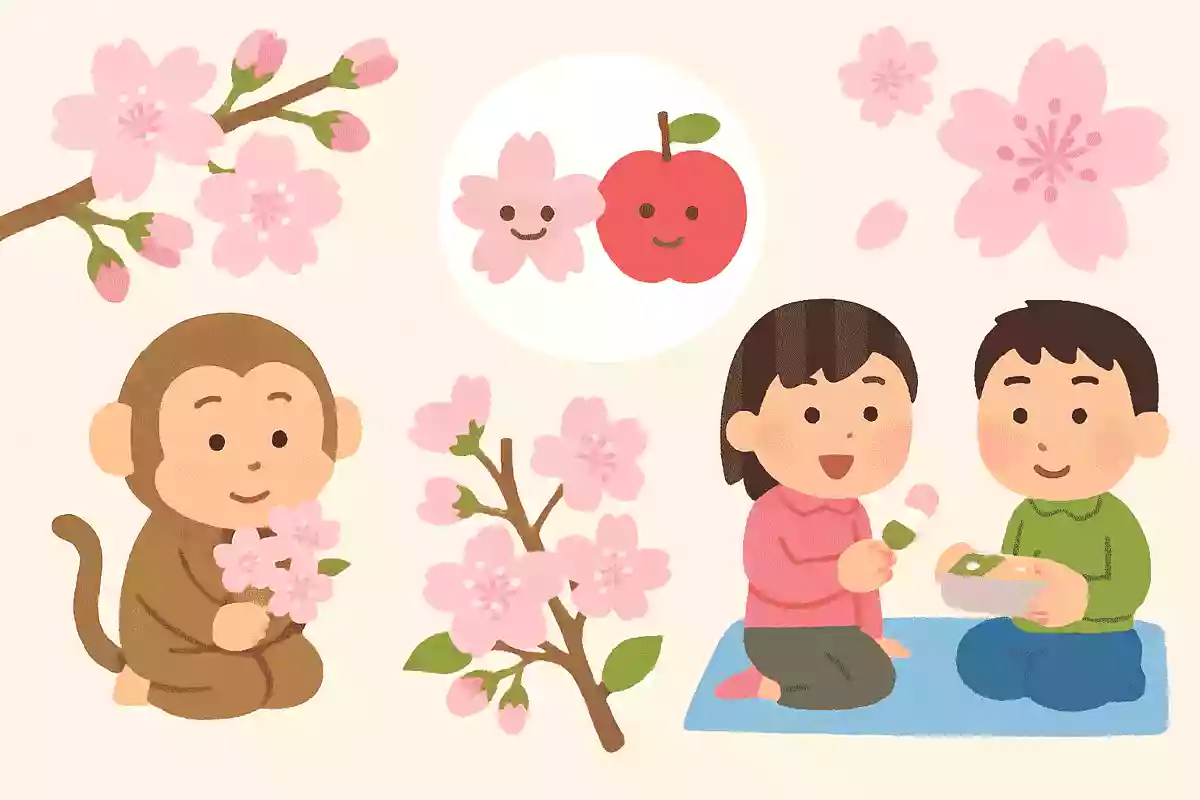
Botanically, cherry trees belong to the rose family (Rosaceae).
Cherry blossoms and roses look different, and cherries don’t have thorns like roses.
The definition of Rosaceae includes having five petals and five sepals, with ten or more stamens.
Flowers like Somei-Yoshino have five petals, but double-flowered cherries have more than five.
Even so, plants that have arisen through breeding or environmental adaptation are still classified in the rose family.
Besides cherries, there are about 2,500 species in Rosaceae, including apples, strawberries, and loquats.
Many flowers in the rose family are beautiful, and many of their fruits are delicious.

Toyotomi Hideyoshi was the first to start the current style of cherry blossom viewing.
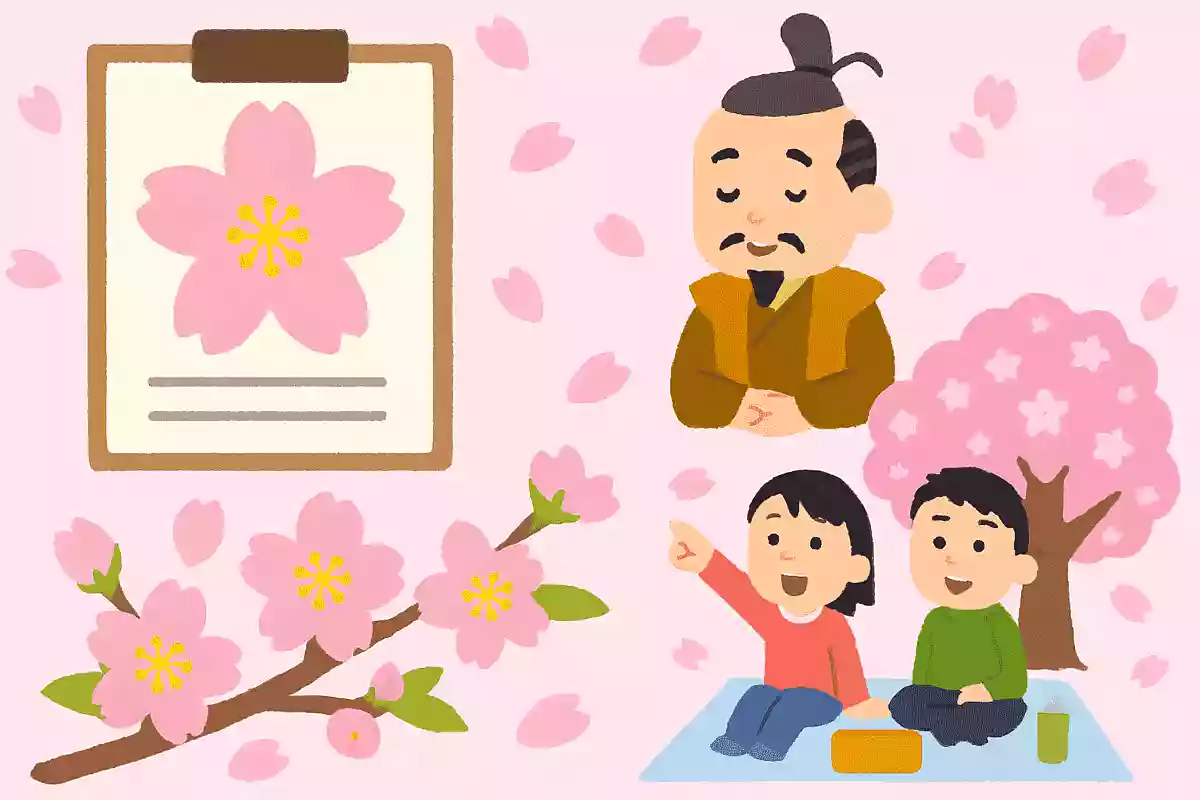
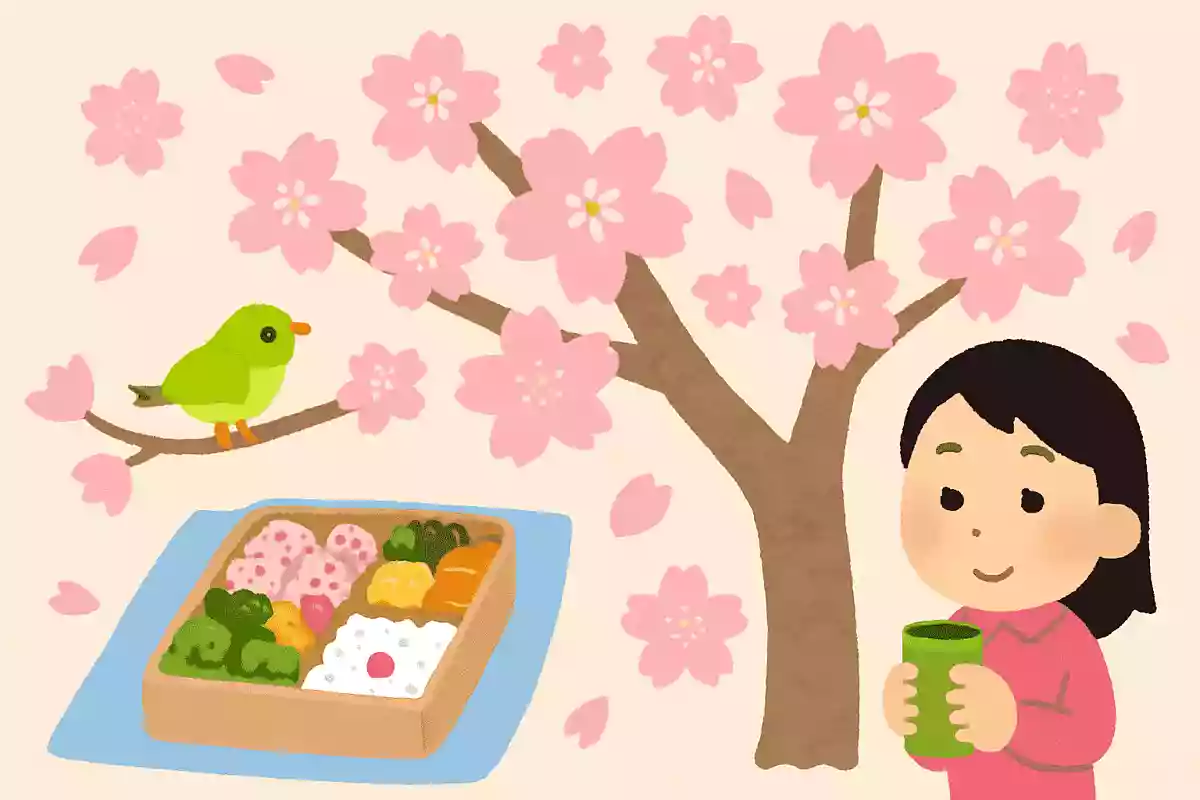
When cherry blossoms reach their peak, many people probably look forward to hanami.
Under beautifully blooming cherry trees, they enjoy delicious food and good conversation.
It’s said that Toyotomi Hideyoshi held an event that closely resembles today’s hanami.
Before then, there were elegant gatherings where aristocrats composed poems while viewing plum blossoms, a culture unique to the nobility.
However, Hideyoshi reportedly planted 700 cherry trees on Mount Daigo and hosted the Daigo no Hanami, inviting 1,300 guests.
Serving renowned sake and confections presented from around the country, it was a lavish, resplendent feast-like celebration.
In the Edo period, hanami is said to have spread among the common people.
The standard for full bloom of cherry blossoms is when over 80% of the flowers have opened.
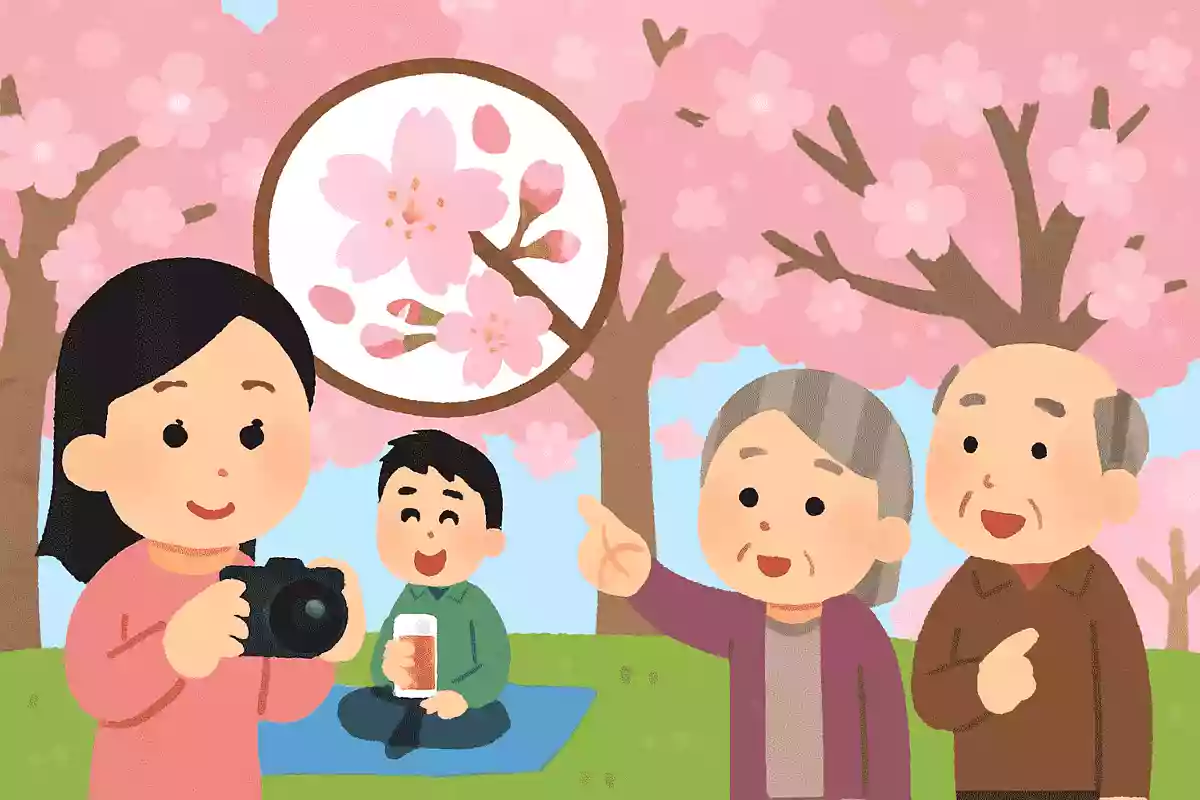
Sometimes we can feel the arrival of spring from news reports and other information about cherry blossoms.
When the cherry blossoms are in full bloom, some people may find their hearts lifting, don’t you think? A tree is said to be in full bloom when more than 80% of its blossoms are open.
Observations are made based on the condition of a designated “standard tree” in each prefecture.
When 5 to 6 flowers open on the standard tree, it’s considered the start of blooming; when about 30% are open, it’s called “30% bloom” (san-bu zaki); and when half are open, it’s “50% bloom” (go-bu zaki).
Incidentally, there is at least one standard tree in every prefecture, with a total of 58 across the country.
In large areas like Hokkaido and Okinawa, there are several standard trees.
The origin of the term sakura, meaning a fake customer or shill, comes from how they appear suddenly like cherry blossoms and then disappear just as quickly.
People who pretend to be audience members but aren’t genuine fans—planted shills in theater audiences and the like—are called “sakura” in Japanese.
This term actually comes from the image of cherry blossoms.
Its origin dates back to the Edo period, when certain people in the audience would call out to liven up the performance for the actors.
Because they would brighten the atmosphere in a flash and then slip away, their behavior was likened to cherry blossoms that bloom brilliantly and fall just as quickly, and they came to be called “sakura.” Be aware that such practices can constitute an offense if carried out in a malicious or fraudulent manner.

Japan’s oldest cherry tree is the Yamataka Jindai-zakura in Yamanashi Prefecture.
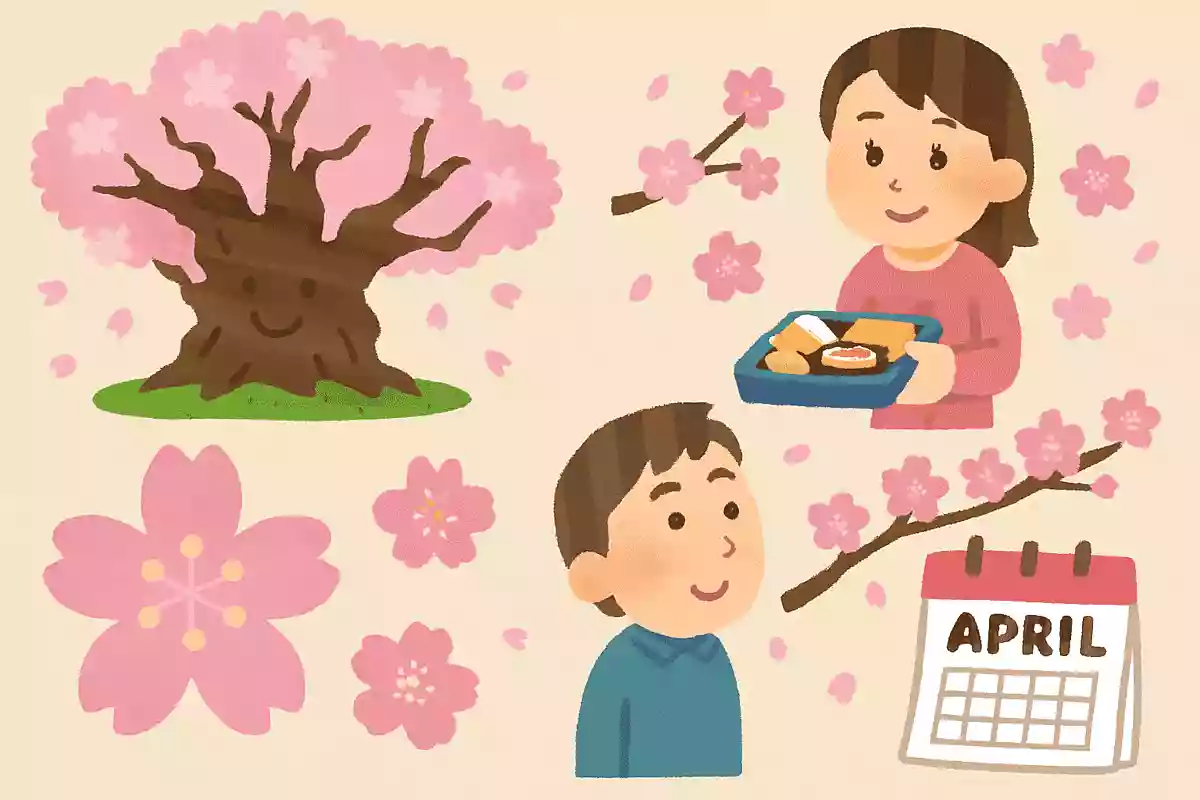
Cherry blossoms brighten spring across Japan, and among them are trees that seem to have watched over the nation’s history for centuries.
Here’s a bit of trivia about where the oldest surviving cherry tree stands and how long it has lived.
Said to be Japan’s oldest cherry tree is the Yamataka Jindai-zakura on the grounds of Jissō-ji Temple in Yamanashi Prefecture, estimated to be about 2,000 years old.
It’s an ancient Edohigan cherry designated as a National Natural Monument, with a legend that it was planted by the hero Yamato Takeru.
It’s a beloved local spot, especially when the cherry blossoms bloom in step with trumpet daffodils in the spring.

Cherry tree leaves contain toxins.
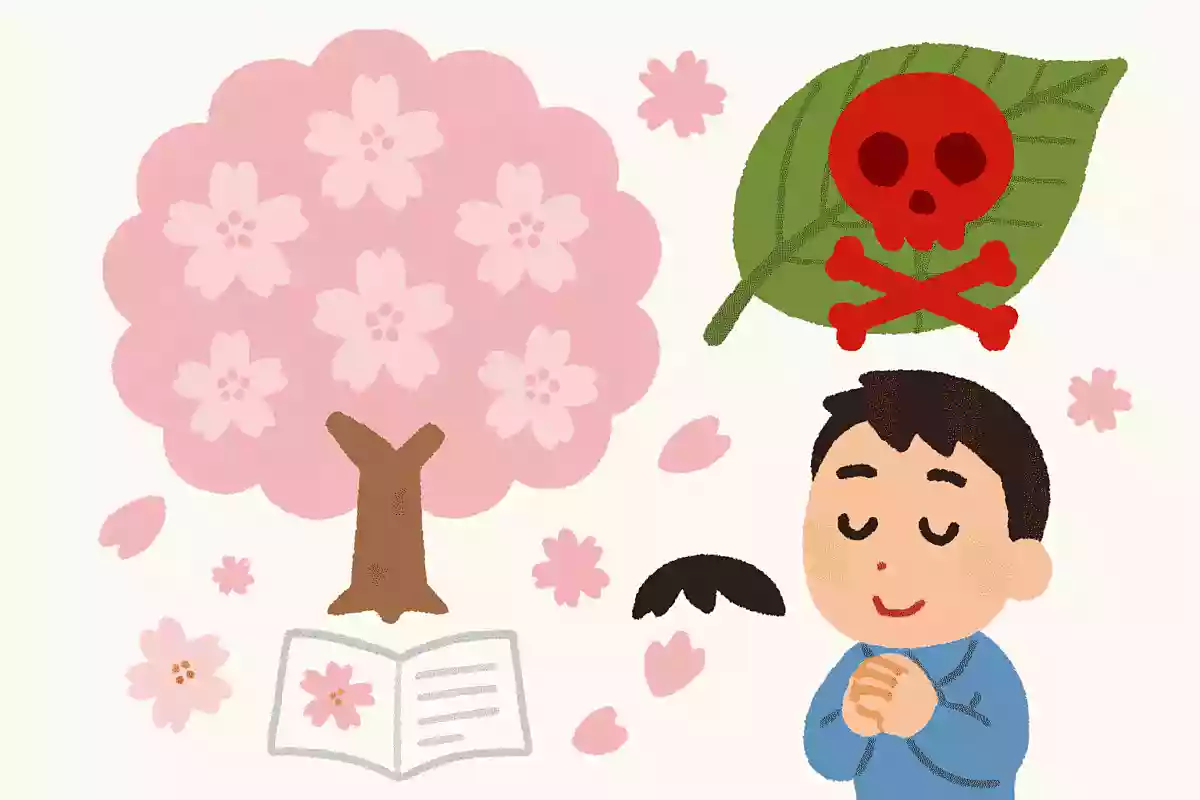
When we think of cherry blossoms, we tend to picture the flowers, but it’s the leaves around them that make the blossoms look even more beautiful.
Those leaves—an important element of cherry blossoms—actually contain a small amount of toxins.
This may surprise some people, since salted cherry leaves are sometimes used in sakuramochi.
The toxin is a compound called coumarin, which can cause issues such as impaired liver function if consumed in excess.
However, in small amounts it does not affect the human body, and because of its antibacterial properties and blood-thinning effects, it is used in products like sakuramochi and dietary supplements.
Cherry blossom trivia: A collection of fun facts to make spring hanami even more enjoyable (21–30)
Somei Yoshino is a type of Japanese cherry tree and accounts for about 80% of the varieties.
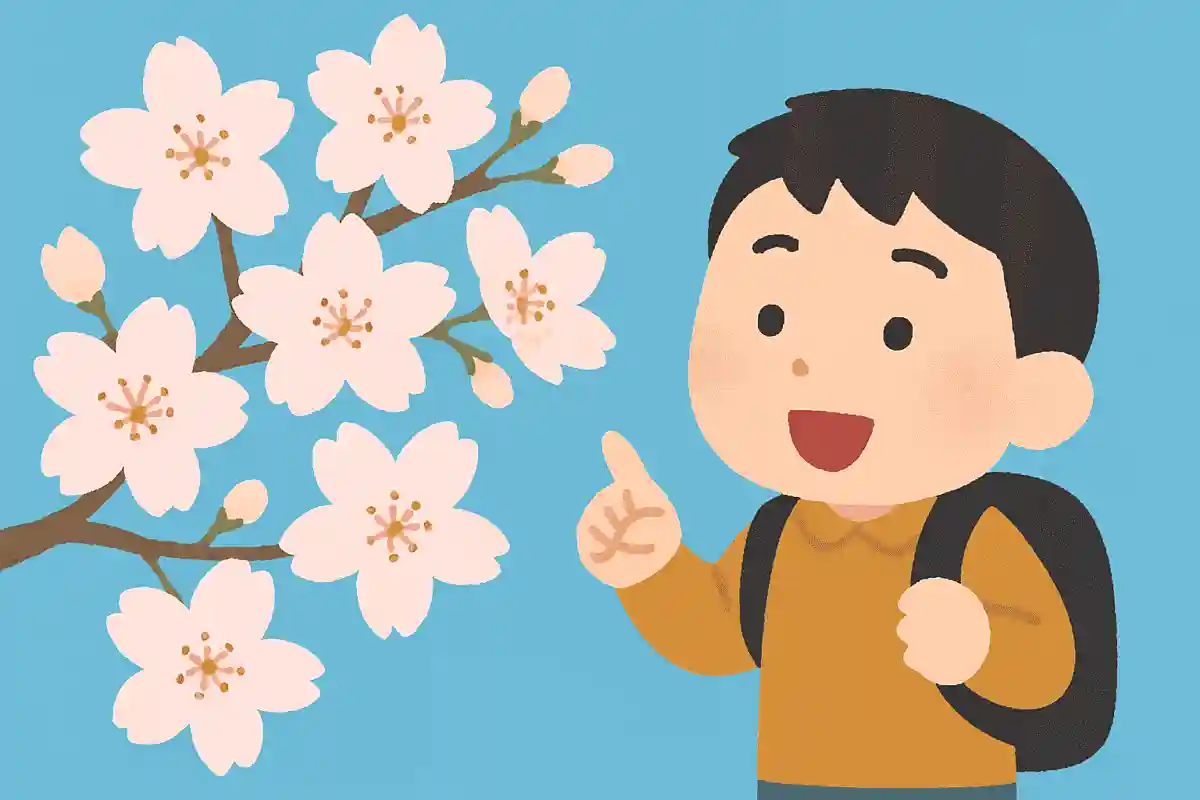
In spring, beautiful pink cherry blossoms bloom in towns and parks, don’t they? Most of those blossoms are a variety called Somei Yoshino, which makes up about 80% of the cherry trees in Japan.
Somei Yoshino originated in the Edo period, and because all the trees are propagated from the same original tree, their blooming patterns and colors are very uniform.
When everyone goes cherry-blossom viewing together, the park’s trees can look like a pink carpet.
When spring comes, try finding Somei Yoshino blooming on your way home from school or near your house, and compare the number and shapes of the flowers!
