

Trivia about cherry blossoms: a roundup of fun facts to make springtime hanami even more enjoyable


Cherry blossoms, which bloom with beautiful flowers in spring, are a familiar plant to the Japanese, aren’t they? Of course, we often enjoy hanami (flower viewing), and you probably also encounter cherry blossoms frequently in works themed around spring.
In this article, we’ve gathered facts and trivia about sakura, which have long been loved by the Japanese.
We’ll introduce bite-sized knowledge that will make you more of an expert on cherry blossoms—stories, history, and more—about these trees that bloom in shades of pink and white.
Deepening your knowledge of sakura, a quintessential symbol of spring, will help you enjoy the cherry blossom season even more.
Be sure to check it out!
- [Sakura Quiz] Trivia & Fun Facts Quiz about Cherry Blossoms for Kids
- [3-Choice Quiz] Cherry Blossom Trivia You'll Want to Share with Someone
- [For General Audience] Little-Known Trivia and Fun Facts About Hay Fever
- [For Seniors] Conversation Starters! A Collection of Trivia and Quizzes About Cherry Blossoms
- Recommended in March! A collection of surprising, little-known trivia that elementary school students will want to share
- Fireworks Trivia & Fun Facts Summary
- [Trivia] Challenge! Spring General Knowledge Quiz
- [For Elementary School Students] Trivia About April
- How many can you solve? Test your spring knowledge with a trivia quiz about March!
- Fun facts you’ll want to share! January trivia and tidbits special
- [2026] Cherry Blossom Songs to Hear in Spring: A roundup of classic J‑Pop hits about sakura
- So interesting you’ll want to tell someone! December Trivia & Fun Facts Special
- [Spring Quotes] Glamorous words perfect for adding color to a new beginning
Cherry blossom trivia: A collection of fun facts to make spring hanami even more enjoyable (21–30)
When Emperor Meiji went cherry-blossom viewing, what was served was ‘sakura anpan’ (cherry blossom bean paste bun).
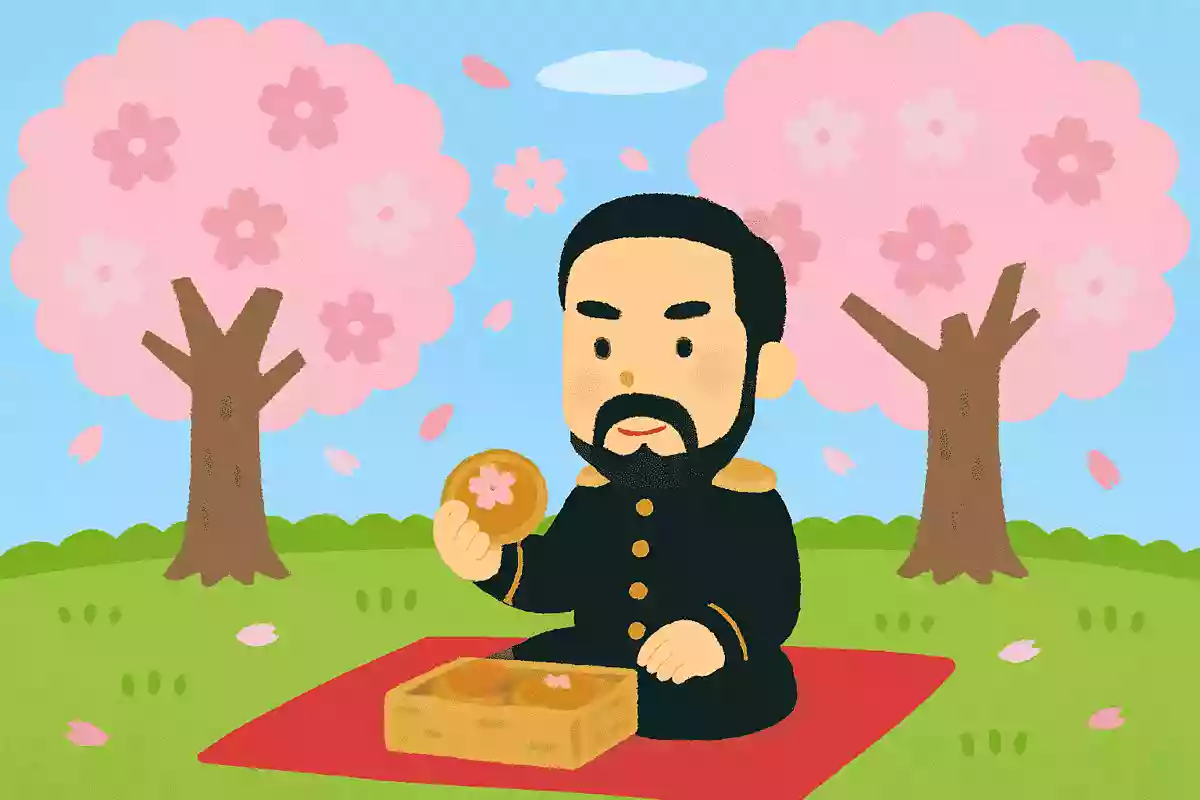
When it comes to cherry-blossom viewing, a variety of food and drinks is indispensable—and it seems the Emperor felt the same way.
During an ohanami outing by Emperor Meiji in the spring of 1875, the sweet presented to him was sakura anpan.
This sakura anpan was made by Kimuraya Sohonten, a bakery in business since 1869, by embedding salt-pickled cherry blossoms sourced from Nara into the anpan.
Emperor Meiji was said to be very fond of it, and afterward it began to be sold in the shop as well.
This event led to April 4 being designated as Anpan Day.

The reason cherry blossoms are pink is that they contain a pigment called anthocyanin.
Cherry blossoms reach their prime in spring, displaying beautiful pink petals.
Most of the cherry trees planted in parks and viewed during hanami are Somei Yoshino.
Cherry blossoms, including Somei Yoshino, contain a pigment called anthocyanin, which gives the petals their pink color.
Anthocyanins are also found in red and purple plants such as blueberries, apples, and purple sweet potatoes.
However, there are over 600 varieties of cherry trees in Japan, and some bloom in colors other than pink.
There are cherry blossoms with white, yellow-green, and yellow flowers, so researching their pigment components could be fun as well.

Trivia about cherry blossoms: A collection of fun facts to make spring hanami even more enjoyable (31–40)
The cherry blossom blooming declaration is determined by 58 sample trees.
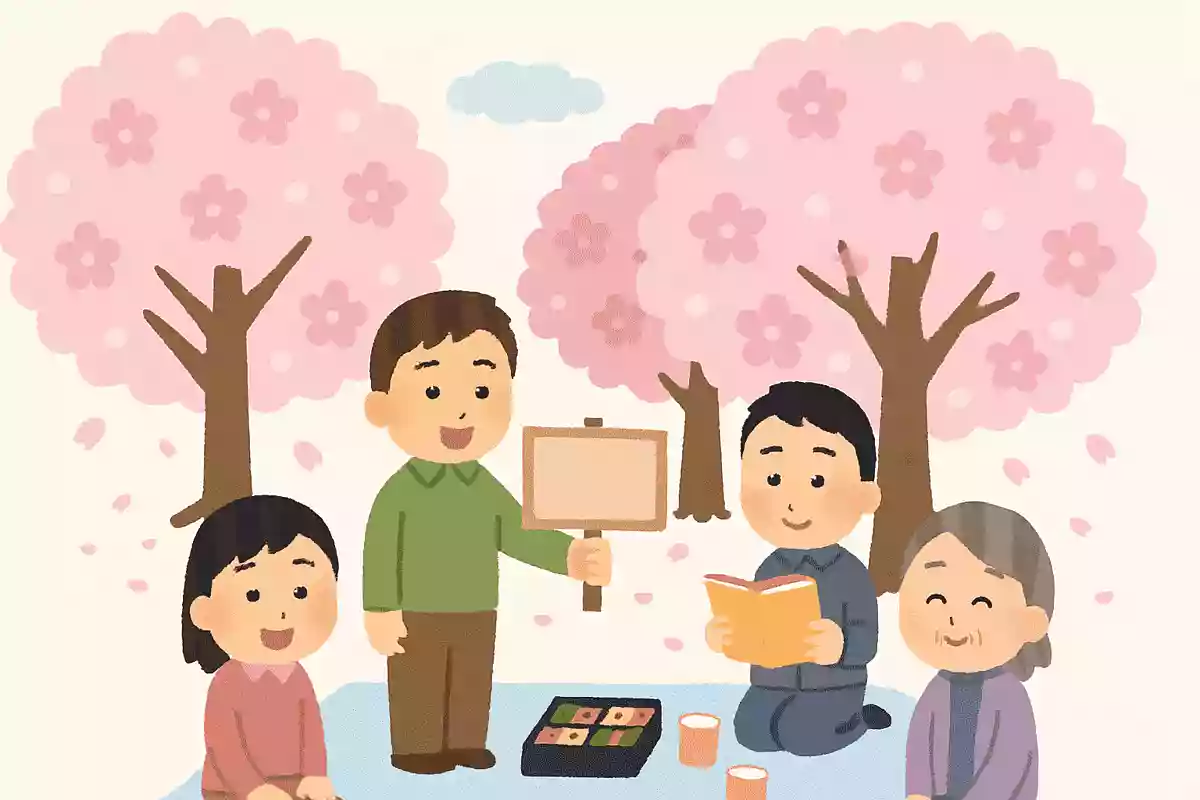
From around late March, you start hearing news from across Japan announcing the blooming of cherry blossoms.
In fact, the official determination of cherry blossom blooming is based on designated sample trees in each prefecture.
When 5 to 6 blossoms open on a sample tree, it is considered to have begun blooming, and when over 80% of the buds have opened, it is deemed to be in full bloom.
As a rule, Somei Yoshino trees are used as the sample trees, and there’s a reason for this.
Somei Yoshino is a cultivated clone variety; it does not produce seeds and is propagated by grafting.
Because Somei Yoshino trees nationwide share the same genetic makeup, they bloom all at once under the same weather conditions, making it easier to predict blooming times.
In Hokkaido and Okinawa, where Somei Yoshino does not grow well due to cold or heat, alternative cherry varieties are used as the sample trees.
In conclusion
We’ve introduced trivia and fun facts about cherry blossoms, which bloom beautifully in spring. Perhaps this has also given you a chance to learn about their characteristics and how they’ve been cherished in Japan. When you go cherry-blossom viewing, it’s a great idea to share these stories and your knowledge with family and friends. Why not deepen your understanding by learning the traits of various types of cherry blossoms—including well-known varieties like the Somei Yoshino?