

Trivia about cherry blossoms: a roundup of fun facts to make springtime hanami even more enjoyable


Cherry blossoms, which bloom with beautiful flowers in spring, are a familiar plant to the Japanese, aren’t they? Of course, we often enjoy hanami (flower viewing), and you probably also encounter cherry blossoms frequently in works themed around spring.
In this article, we’ve gathered facts and trivia about sakura, which have long been loved by the Japanese.
We’ll introduce bite-sized knowledge that will make you more of an expert on cherry blossoms—stories, history, and more—about these trees that bloom in shades of pink and white.
Deepening your knowledge of sakura, a quintessential symbol of spring, will help you enjoy the cherry blossom season even more.
Be sure to check it out!
- [Sakura Quiz] Trivia & Fun Facts Quiz about Cherry Blossoms for Kids
- [3-Choice Quiz] Cherry Blossom Trivia You'll Want to Share with Someone
- [For General Audience] Little-Known Trivia and Fun Facts About Hay Fever
- [For Seniors] Conversation Starters! A Collection of Trivia and Quizzes About Cherry Blossoms
- Recommended in March! A collection of surprising, little-known trivia that elementary school students will want to share
- Fireworks Trivia & Fun Facts Summary
- [Trivia] Challenge! Spring General Knowledge Quiz
- [For Elementary School Students] Trivia About April
- How many can you solve? Test your spring knowledge with a trivia quiz about March!
- Fun facts you’ll want to share! January trivia and tidbits special
- [2026] Cherry Blossom Songs to Hear in Spring: A roundup of classic J‑Pop hits about sakura
- So interesting you’ll want to tell someone! December Trivia & Fun Facts Special
- [Spring Quotes] Glamorous words perfect for adding color to a new beginning
Fun facts about cherry blossoms: A collection of trivia to make spring hanami even more enjoyable (1–10)
The flower language of cherry blossoms is “spiritual beauty” and “purity.”
The cherry blossom’s flower language is expressed with beautiful words such as “spiritual beauty” and “purity.” One explanation for why these meanings were assigned is that the image of the cherry blossom was overlaid with the image of the Japanese people.
In the United States, the flower language for cherry blossoms includes “spiritual beauty,” just as in Japan, and also “a good education,” meaning excellent learning.
In Korea, the meanings are similar to those in Japan, but in France, the phrase attached to cherry blossoms is “Nem’ oubliez pas,” meaning “Do not forget me.”

There is an event in the United States called the National Cherry Blossom Festival.
In Japan, various events are held during cherry blossom season.
In fact, there are cherry blossom-related events in the United States as well! One of them is the National Cherry Blossom Festival held in Washington.
This event began after cherry trees were gifted from Japan to the United States in 1912, and it has been held every year since then, except during World War II.
Japan has donated cherry trees many times since 1912.
The festival features performances and activities that showcase Japanese culture, and many people come to enjoy hanami (cherry blossom viewing).
The entire Kanhi-zakura flower drops off as a whole.
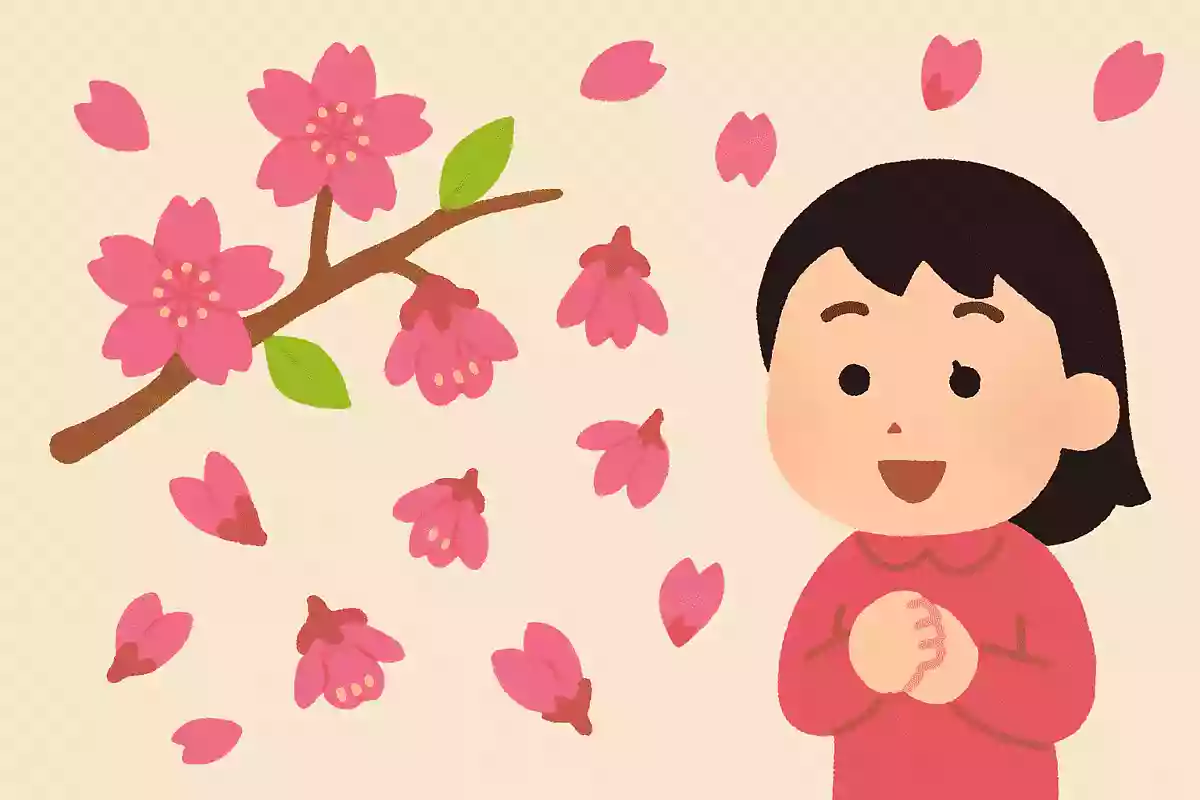
In scenes where cherry blossoms fall, you often see the petals peeling off one by one as they drift down.
However, the Kanhi-zakura (Taiwan cherry) drops as a whole flower with a little pop! This is because the petals and stamens are firmly attached.
For the same reason, camellias also fall while keeping their flower shape rather than shedding individual petals.
Kanhi-zakura can be seen in Okinawa, so if you travel there in spring, enjoy a sight different from that of Somei-yoshino blossoms!
Trivia about cherry blossoms: A collection of fun facts to make spring hanami even more enjoyable (11–20)
There is a cherry tree that blooms green flowers.
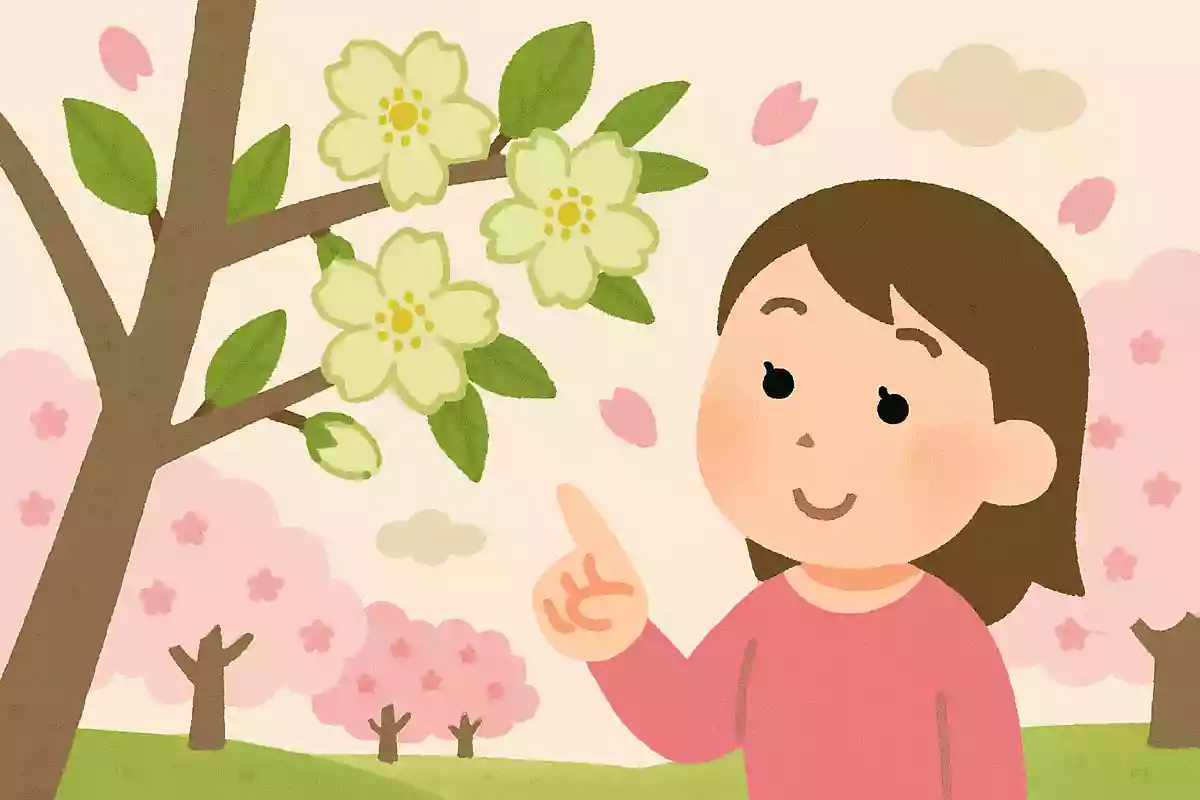
When we think of cherry blossoms, we often picture them tinting spring a beautiful shade of pink.
Cherry trees actually come in many varieties, and among them are some unusual ones that bloom green flowers, quite different from that image.
The cherry tree that bears green blossoms is called Gyoikō; it’s a type of double-flowered cherry whose blooms gradually shift from green to yellow, and it is said to have originated from cultivation at Ninnaji Temple in Kyoto.
Although they are flowers, they also retain leaf-like traits such as chlorophyll, making them a cherry blossom that offers a glimpse into the process of plant evolution.

March 27 is Sakura Day.
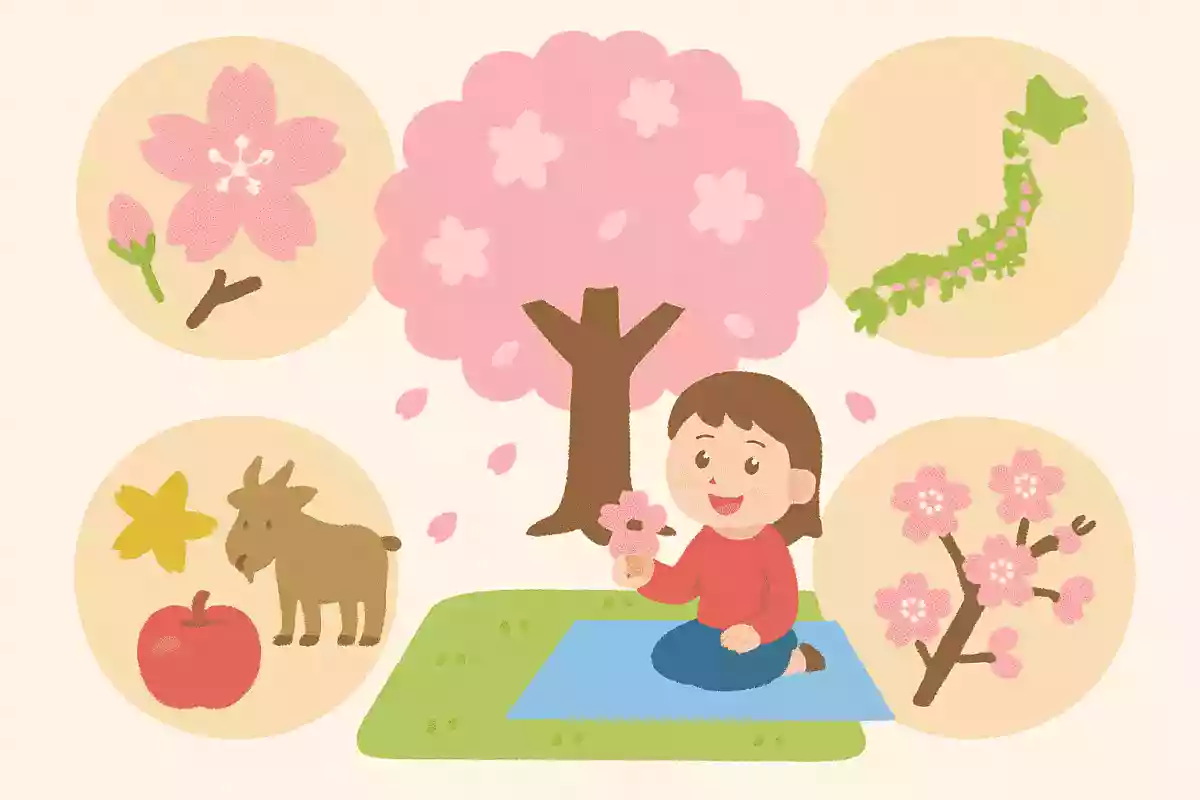
The blooming of cherry blossoms signals the arrival of spring.
Every year around late March, we start hearing announcements that the cherry blossoms have begun to bloom.
The sentiment behind “Sakura Day” on March 27 is also tied to the blooming of cherry blossoms.
Established in 1992 by the Japan Cherry Blossom Association (a public interest incorporated foundation), Sakura Day comes from a wordplay that converts the word saku (to bloom) into numbers.
When you turn saku into numbers and multiply them, 3 × 9 = 27.
From this, March 27 was chosen, aligning it with the shichijūni-kō (the 72 microseasons) period called sakura hajimete hiraku—meaning “cherry blossoms begin to open.” By the way, sakura hajimete hiraku is read just like that in Japanese.
Through Sakura Day, the aim is to foster interest in cherry blossoms, Japan’s representative flower, and to promote the creation of a nation rich in flowers and greenery.

Cherry tree branches become prone to rot when cut.
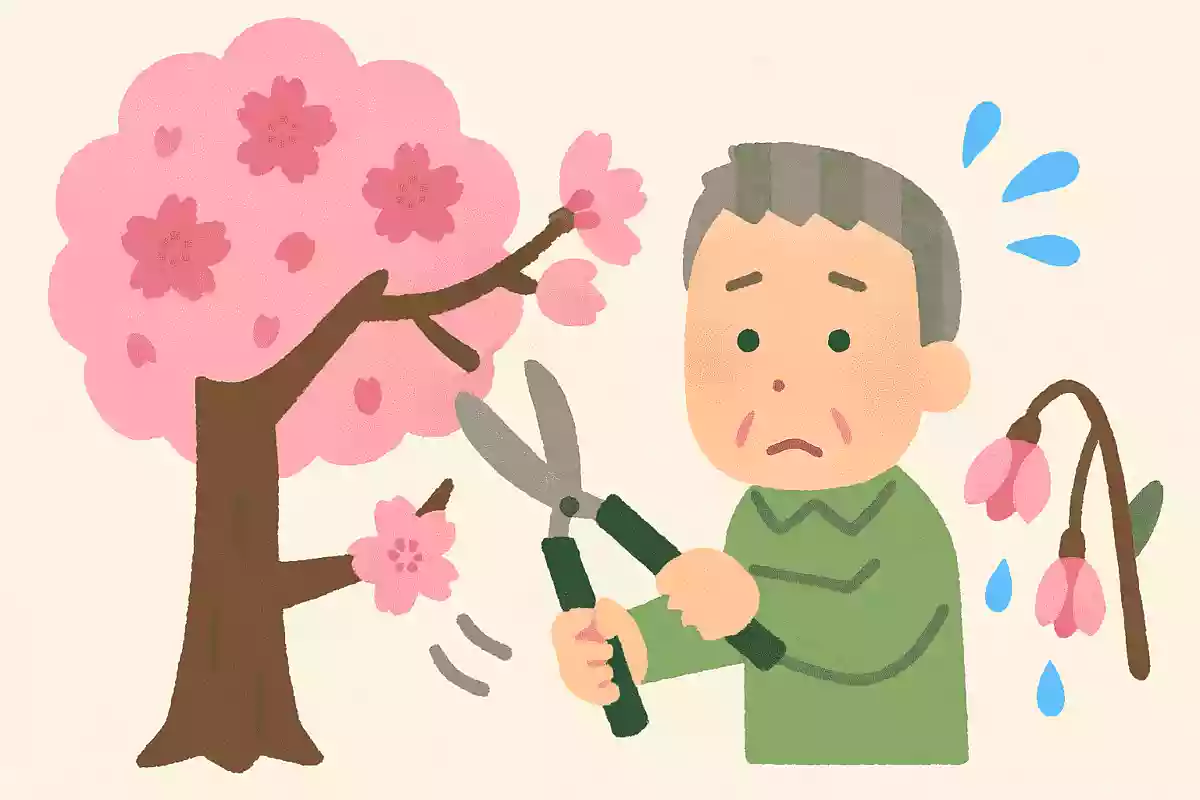
If you’re thinking of cutting back those growing cherry branches, wait a moment! Cherry trees are delicate, and cutting their branches can make the cut areas prone to rot.
If fungi enter through the cut, they can spread throughout the tree and even kill it.
On the other hand, leaving overgrown branches unattended can lead to disease and create branches that don’t get enough sunlight.
To avoid this, it’s important to think carefully about where you cut and to handle the cuts properly afterward.
It’s also crucial to pick the right timing for pruning, so be sure to research thoroughly and care for the tree accordingly.
Cherry trees viewed during cherry-blossom viewing don’t produce cherries.
Cherry-picking season starts around late June.
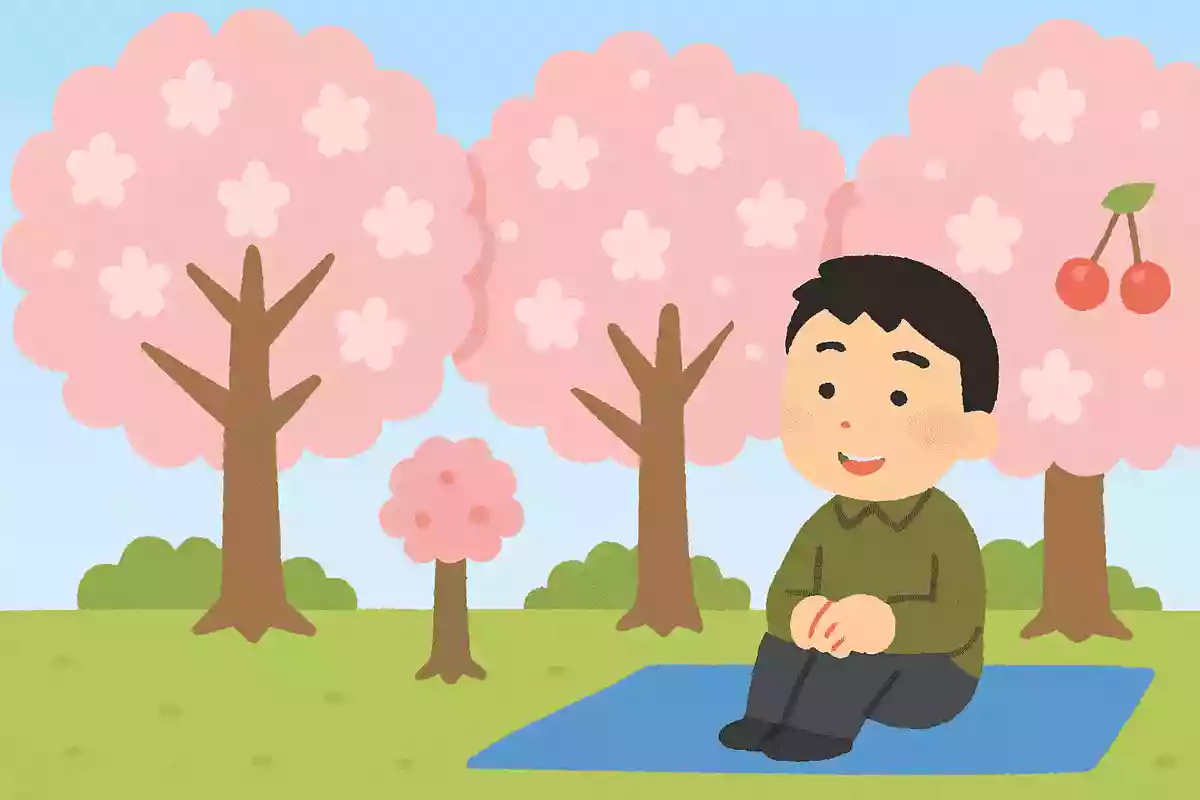
Many of you may have tried cherry picking at least once, right? However, the cherry trees that bloom in parks for hanami don’t produce edible cherries.
They may bear small red, berry-like fruits, but they aren’t suitable for eating.
Most of the cherry trees seen during hanami are Somei Yoshino, a cultivar created through selective breeding, and they’re all clones with identical genes.
It’s said that Somei Yoshino trees with the same genetic makeup cannot produce fruit among themselves.
If there are different types of cherry trees nearby, such as wild mountain cherry (Yamazakura), and proper pollination occurs, Somei Yoshino can bear fruit—though whether those fruits are suitable for eating is another matter.