

[For General Readers] List of Summer Kigo: Evocative Everyday Words of Summer

Have you ever struggled to come up with the right seasonal word when composing a haiku? Summer in particular is a season where it’s easy to get confused, since there are so many symbols and traditions.
A fun summer vacation, heat that won’t stop the sweat, refreshing foods…
In fact, hints for summer kigo are everywhere in everyday scenes.
In this article, we introduce summer kigo for general use.
We’ve gathered many words that are easy for beginner haiku poets to incorporate.
When a summer scene makes you want to write a verse, please refer to the kigo we’ve introduced.
- [For Elementary School Students] Turn Summer Memories into Haiku! A Collection of Fun Summer Haiku Ideas
- Recommended for elementary school students! Ideas for composing summer haiku
- [For Elementary School Students] Spring Kigo for Haiku Writing! A Collection of Fun, Easy-to-Memorize Ideas
- Makes you want to compose a haiku! A roundup of commonly used autumn kigo (seasonal words)
- Let's enjoy learning winter seasonal words! A collection of easy-to-use word ideas for elementary school students
- Brain training with spring kigo! A collection of ideas for common words you can use in haiku and conversation
- [For Kids] Fun Summer Trivia Quiz & Facts
- [Elementary School Senryu] A Collection of Hilarious Masterpieces about Summer Vacation, Friends, and School Life. Tips and Explanations Learned from Outstanding Works
- Surprisingly little-known winter season words! A collection of everyday, easy-to-use vocabulary ideas
- Trivia and fun facts to make summer even more enjoyable
- Make your summer festival even more fun! Trivia quizzes and fun facts for kids
- Brightening the open, carefree season! Famous summer quotes by great figures and notable people
- [For Middle School Students] Also Helpful for Haiku Writing! A Collection of Famous Haiku Using Spring Seasonal Words
[For General Readers] List of Summer Seasonal Words: Evocative Everyday Terms of Summer (1–10)
goldfish

Goldfish, whose cool, graceful figures linger in the mind as they drift slowly through the water.
The gentle reds and whites swaying in the current look almost like tiny flowers softly blooming beneath the surface.
The sight of people absorbed in scooping goldfish at summer festivals, or of tails quietly swaying in an aquarium, brings a warm sense of nostalgia.
Watching their movements alongside the glittering water catching the light makes the heat fade and the heart grow calm.
As their gentle swimming carries a touch of coolness, why not compose a verse while savoring this softly elegant feeling of summer?

sea of clouds
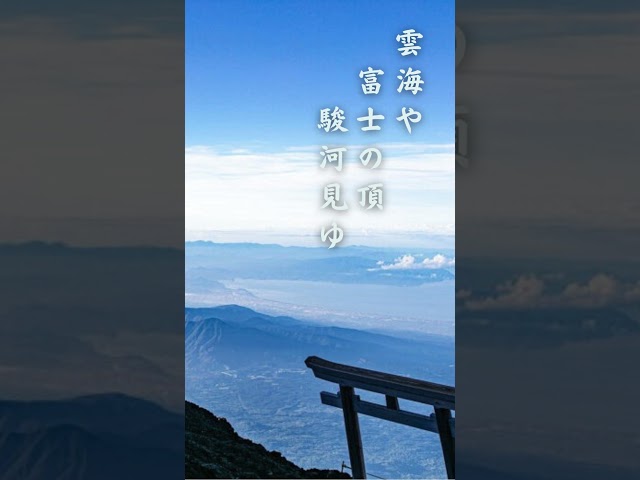
When you look at clouds from the top of a high mountain and see them spreading out like an ocean, that sight is called a sea of clouds.
You can sometimes see it from an airplane, but some people also climb mountains specifically to view it.
In the world of haiku, when you use “sea of clouds,” it evokes summer.
Although a sea of clouds can be seen throughout the year, it’s considered a summer seasonal word due to its association with mountain worship.
Clouds that are usually above our heads appearing like the surface of the sea… just imagining such a scene feels refreshing.
Using the beautiful sea of clouds as a theme, why not try composing a verse?

blue storm
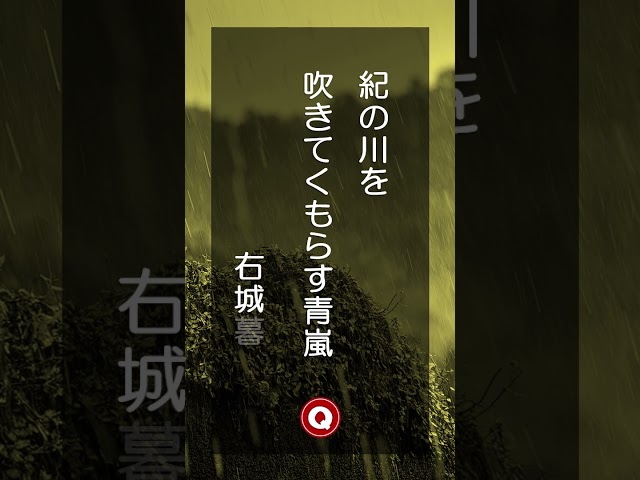
The strong wind that blows when lush green leaves are in full growth is called aoarashi.
Brimming with vitality, the beautiful trees and the vigor of the gusts—this word lets you fully feel the essence of summer.
Although it uses the character for “storm,” the wind’s strength is only enough to make the leaves sway and rustle on a clear, sunny day.
Just imagining it conjures a truly refreshing scene.
While summer often brings to mind oppressive heat, by using the seasonal word aoarashi, you can express a fresh landscape and a sense of comfort.
[For General Readers] List of Summer Kigo: Evocative Everyday Words of Summer (11–20)
pool

When it comes to summer, “the pool” is popular with both children and adults.
How about using it as a season word? “Pool” evokes a place where you can enjoy coolness in a wide expanse of blue water.
The sun makes the surface sparkle, and the cheers of children and splashes of water convey the lively spirit of summer.
Swimming or floating with your face in the water are moments that make you forget the heat, lightening both body and heart.
Spreading out a towel by the poolside or playing in the water with friends symbolizes summer’s freshness and energy.
Try expressing your own “pool” in a haiku!
rhinoceros beetle

You often spot rhinoceros beetles climbing tree trunks in forests and parks, and at night they sometimes flutter toward lights.
When you recall catching them as a child, along with the chorus of insects on a summer evening, it feels like a scene from a small adventure.
With their glossy black or brown shells and large horns, they’re powerful yet somehow endearing creatures.
Imagining them moving leisurely under dappled sunlight evokes the richness and vitality of summer’s nature, and their presence fits perfectly into summer haiku.
Great Heat

“Taisho,” the period that marks the fiercest heat of the year.
The sun blazes straight down from overhead, and the string of muggy days conveys the vigor and lively energy of midsummer.
Picture someone quietly cooling off in the garden shade, or taking a refreshing sip of a cold drink—little snapshots of summer life come into view.
The lively chorus of cicadas and the sight of rice fields and vegetable patches shimmering in the sunlight evoke the unique vitality of Taisho.
And when a cool breeze blows at dusk, you feel a touch of relief amid the heat, a reminder of summer’s gradual shift.
As you sense the liveliness and the strength of nature within the heat, try embracing it in your daily life.
tropical night

It describes a sweltering, humid night that feels stifling even after dark.
Even with the window open, it doesn’t get cooler, and you find yourself reaching for the breeze of a fan or the air conditioner—such a quintessential summer scene.
Outside, the sounds of cicadas and crickets ring out, and there are moments when a distant night breeze brings a hint of coolness.
Looking up at the night sky despite the discomfort, you see stars glittering, and you can feel both the stillness and the liveliness of a summer night at once.
And that sip of cold water or a bite of ice cream amid the sleepless heat is one of summer’s little pleasures.
“Tropical night” evokes the intensity of the heat and the very air of summer.