

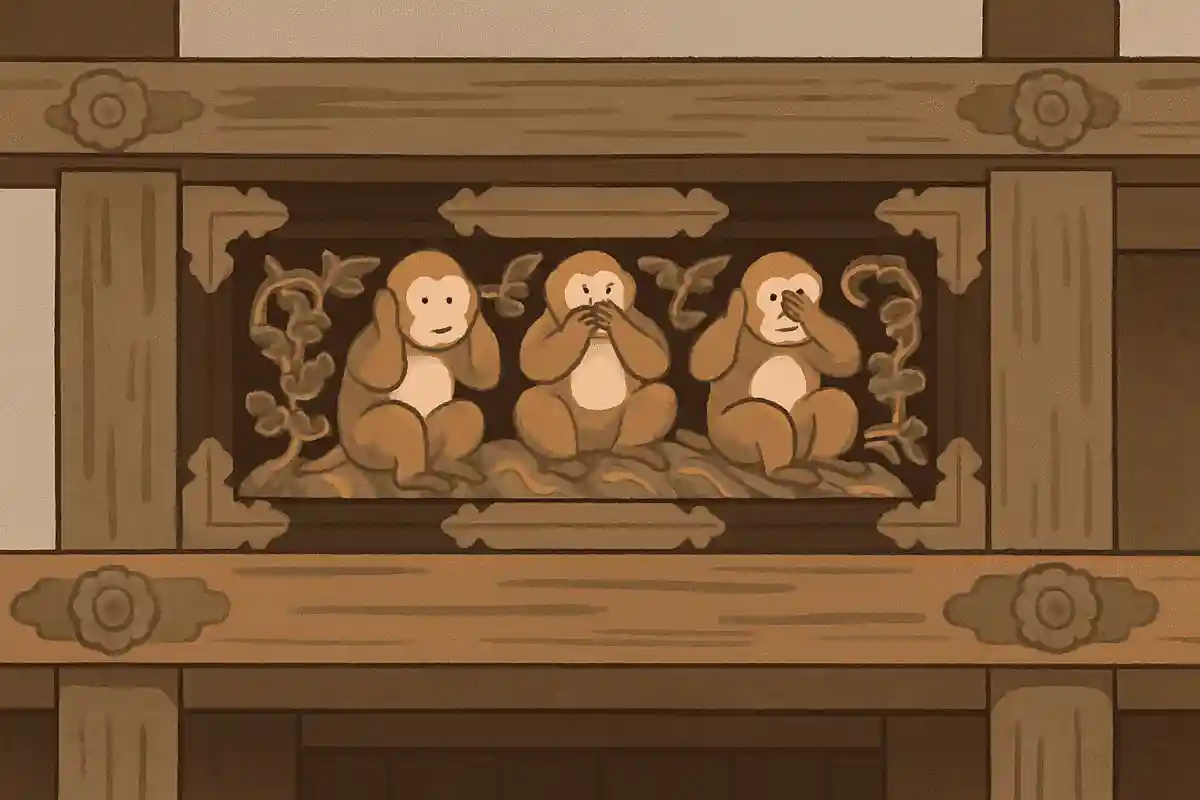

The Three Wise Monkeys strike the famous poses of “see no evil, speak no evil, hear no evil.” However, their meaning has been interpreted in various ways over a long history.
The teaching of the Three Wise Monkeys still holds important significance in modern society.
This time, we present a trivia quiz about the Three Wise Monkeys aimed at seniors.
Deepen your knowledge with the quiz, and if you’re interested, it would be great to actually visit Nikkō Tōshōgū.
Be sure to take a close look at the Three Wise Monkeys and reflect on the profound meaning hidden behind them.
- [For Seniors] Trivia Quiz & Fun Facts About the Great Buddha of Kamakura: Questions You'll Want to Share
- [For Seniors] Great for killing time! A fun three-choice trivia quiz
- [For Seniors] Trivia Multiple-Choice Quiz
- [For Seniors] Recommended Trivia Quizzes & Fun Facts for November
- For Seniors: Useful Trivia Questions! Introducing Fun Facts Quizzes You'll Want to Share
- Fun facts quiz about Sensō-ji: Trivia questions about Kaminarimon and nearby facilities (for seniors)
- [For Seniors] Trivia Quiz & Fun Facts for Everyday Life
- [For Seniors] Introducing Local Quizzes from Mie Prefecture!
- [For Seniors] Fun and Informative! Trivia and Quizzes Introduced
- [For Seniors] Fun and Lively! Recommended Quiz Questions
- [For Seniors] Boost Your Knowledge! Fun Trivia Quiz
- [For Seniors] Fun and Informative Trivia Quiz Collection
- [For Seniors] Fun and Informative! Health Trivia Quiz
Introducing trivia quizzes and fun facts about the Three Wise Monkeys for seniors!
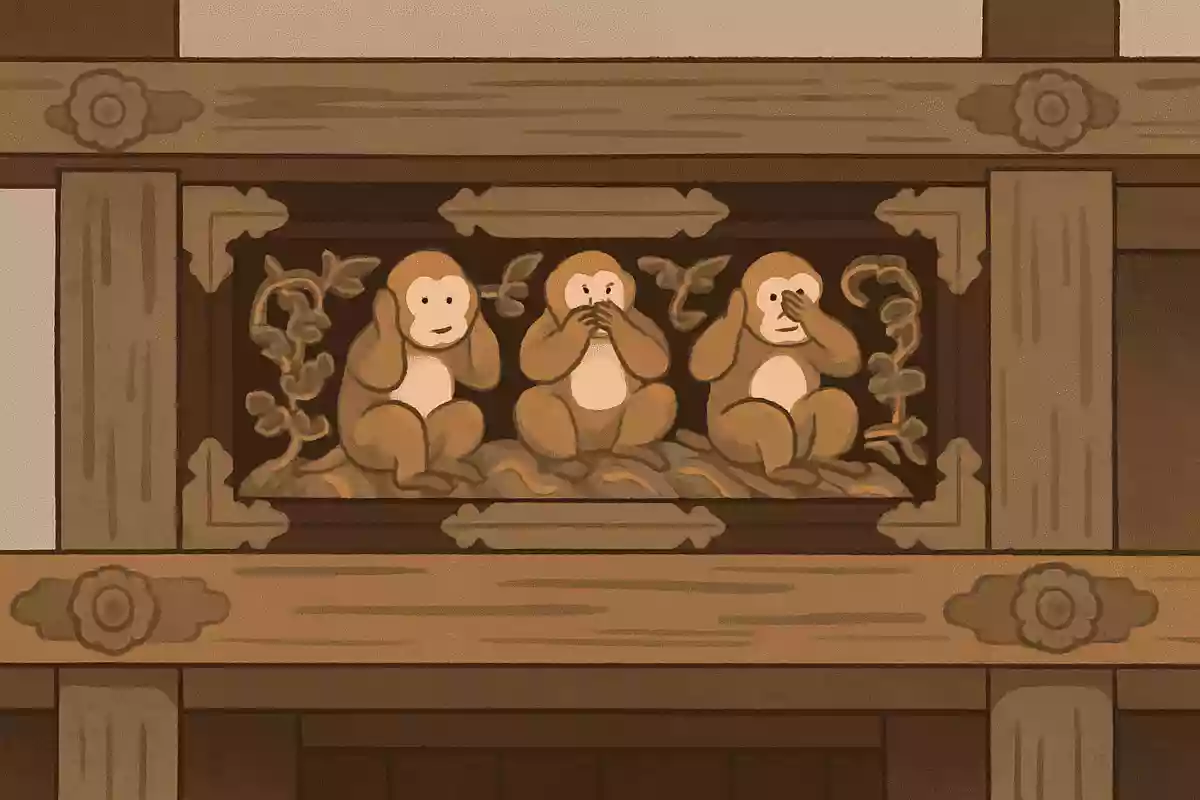
Where are the Three Wise Monkeys carved in Nikkō Tōshō-gū?
- Sacred Bridge
- Yōmeimon Gate
- Divine Stables
See the answer
Divine Stables
Shinkyusha is the stable at Nikko Toshogu Shrine. Adorned with lavish, resplendent decorations, it is one of the highlights of Nikko Toshogu.
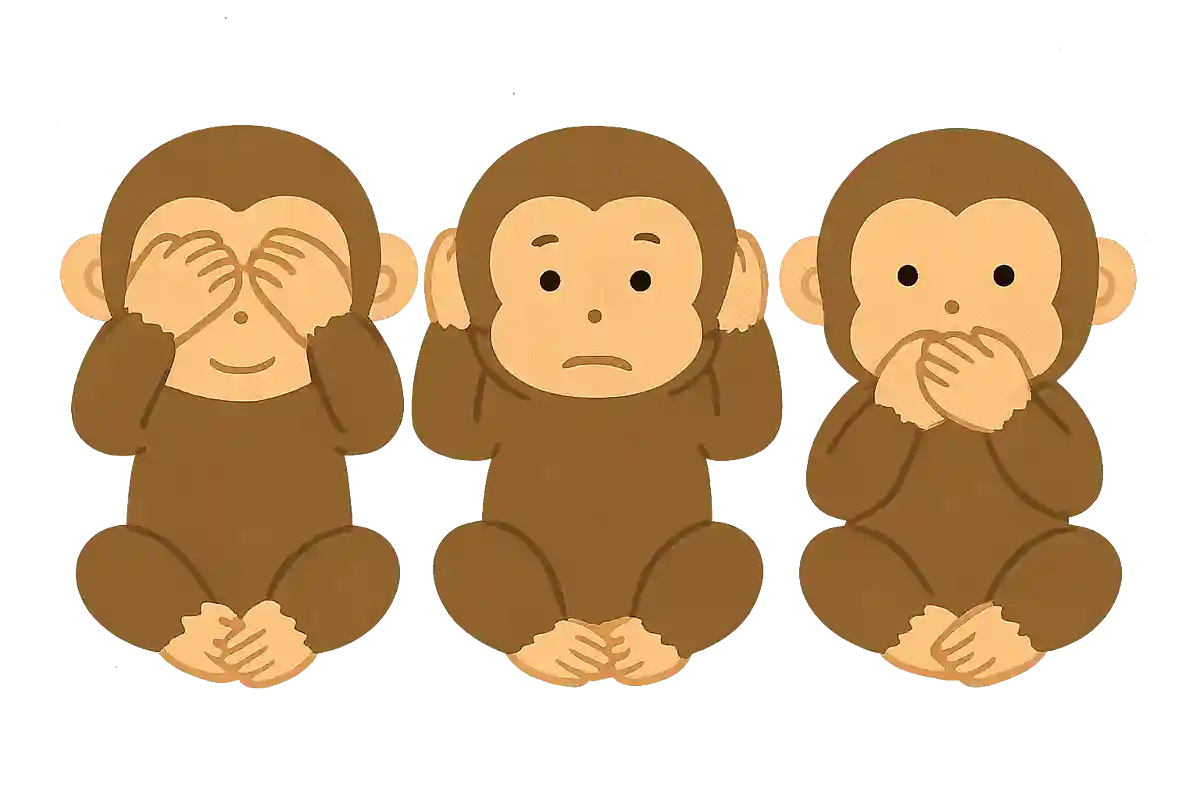
What is the third of the Three Wise Monkeys besides “see no evil” and “speak no evil?”
- hear not
- not to get angry
- without crying
See the answer
hear not
The Three Wise Monkeys are a sculpture of three monkeys that embody “see no evil, hear no evil, speak no evil.” The carving is located at the Shinkyusha (sacred stable) of Nikko Toshogu Shrine, which is also registered as a World Heritage site.
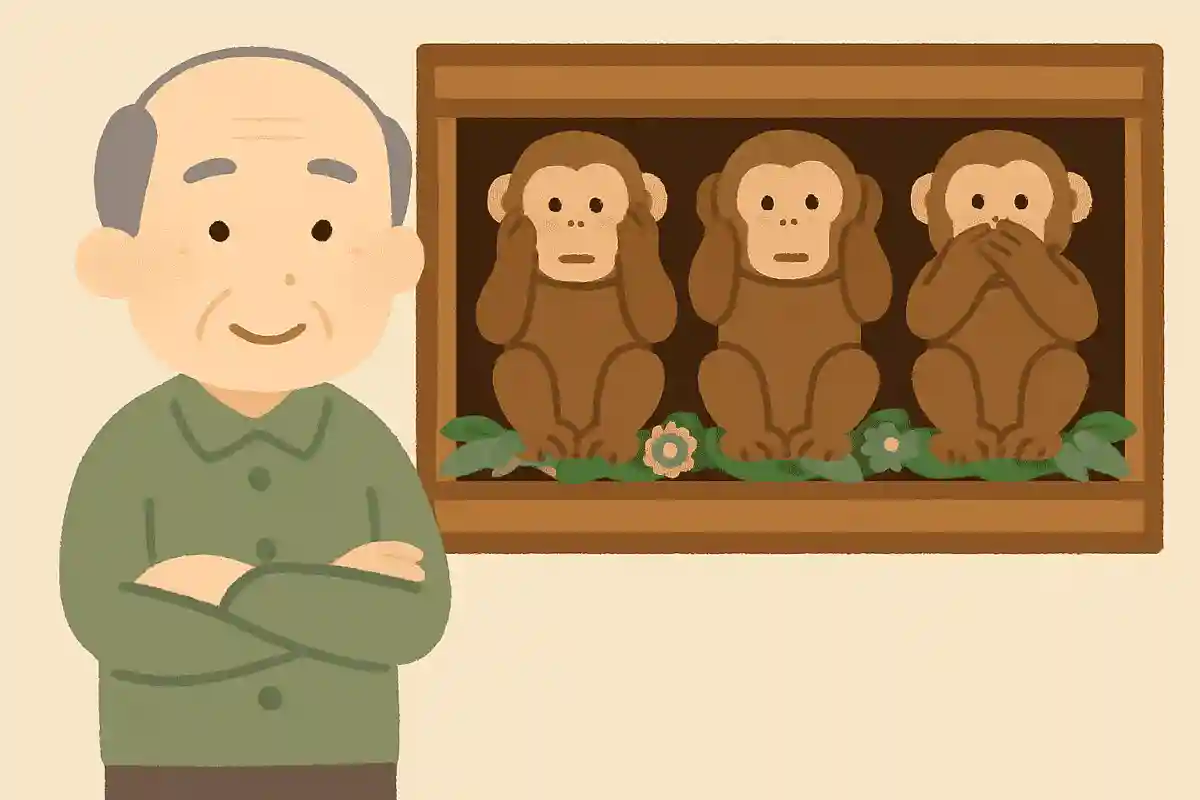
How many carved monkeys are there in the new stable?
- 15 animals
- 16 animals
- 17 animals
See the answer
16 animals
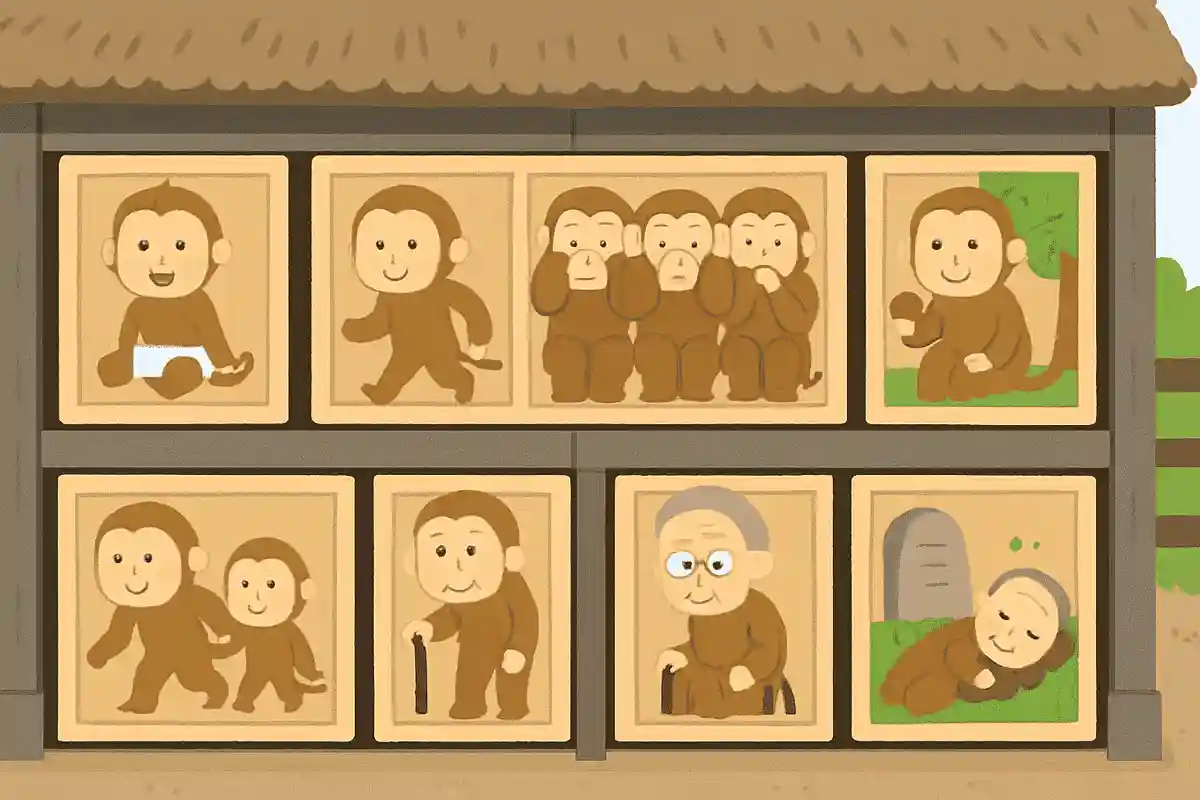
The Three Wise Monkeys are famous, but in fact they’re just one of eight monkey carvings. The eight panels of monkeys together form a single story that parallels a human life.
Of the eight panels around the stable depicting the stages of a monkey’s life, which part of life do the Three Wise Monkeys represent?
- early childhood
- adolescence
- old age
See the answer
early childhood
The Three Wise Monkeys represent a period of abundant curiosity in childhood. The phrase “see no evil, speak no evil, hear no evil” embodies the wish for children to grow up straight and sincere.
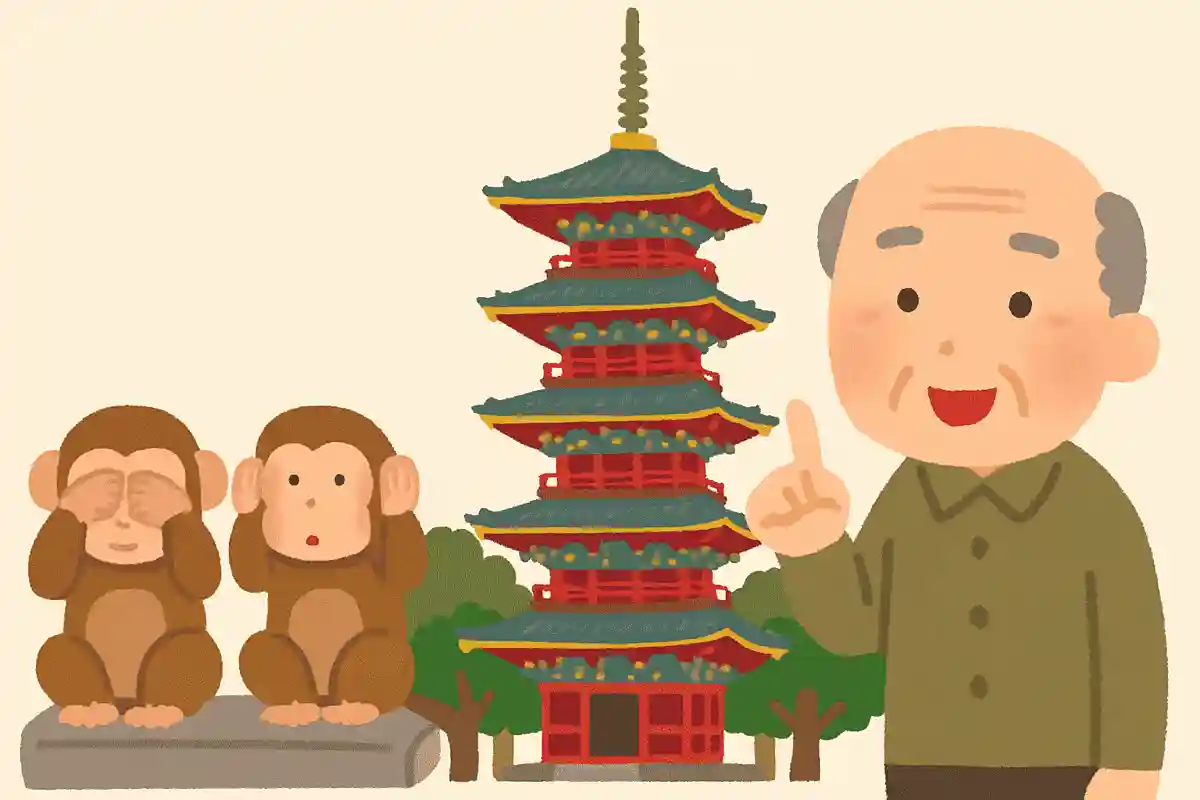
How many meters tall is the five-storied pagoda at Nikkō Tōshōgū?
- 3.6 meters
- 36 meters
- 366 meters
See the answer
36 meters
The five-story pagoda at Nikkō Tōshōgū is 36 meters tall, making it the 10th tallest among five-story pagodas in Japan. Built in the early Edo period, it is a beautiful vermilion-lacquered structure. Inside the tower are enshrined statues such as the Shakyamuni Buddha and the Four Heavenly Kings.
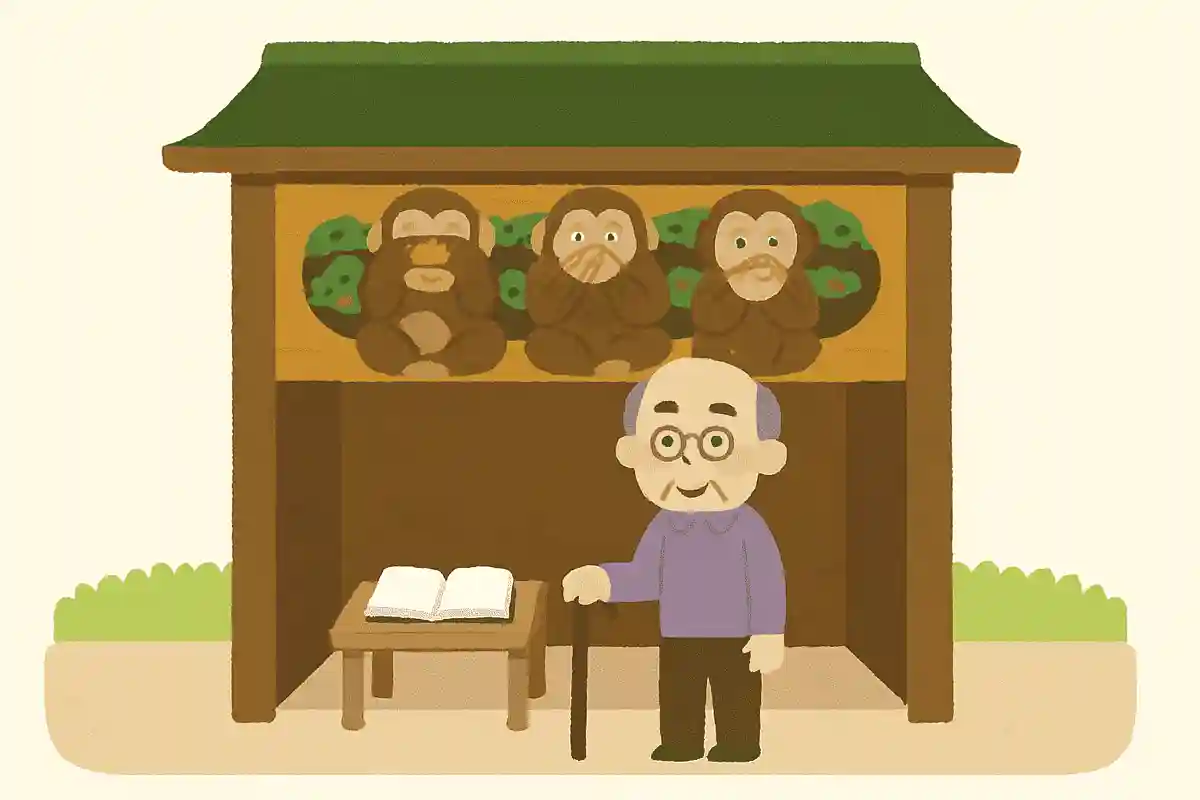
What is inside the building with the three wise monkeys?
- cow
- horse
- sheep
See the answer
horse
There are currently two white horses in the sacred stable. Called shinme (divine horses), they are said to be descendants of the sacred horse that served Tokugawa Ieyasu.
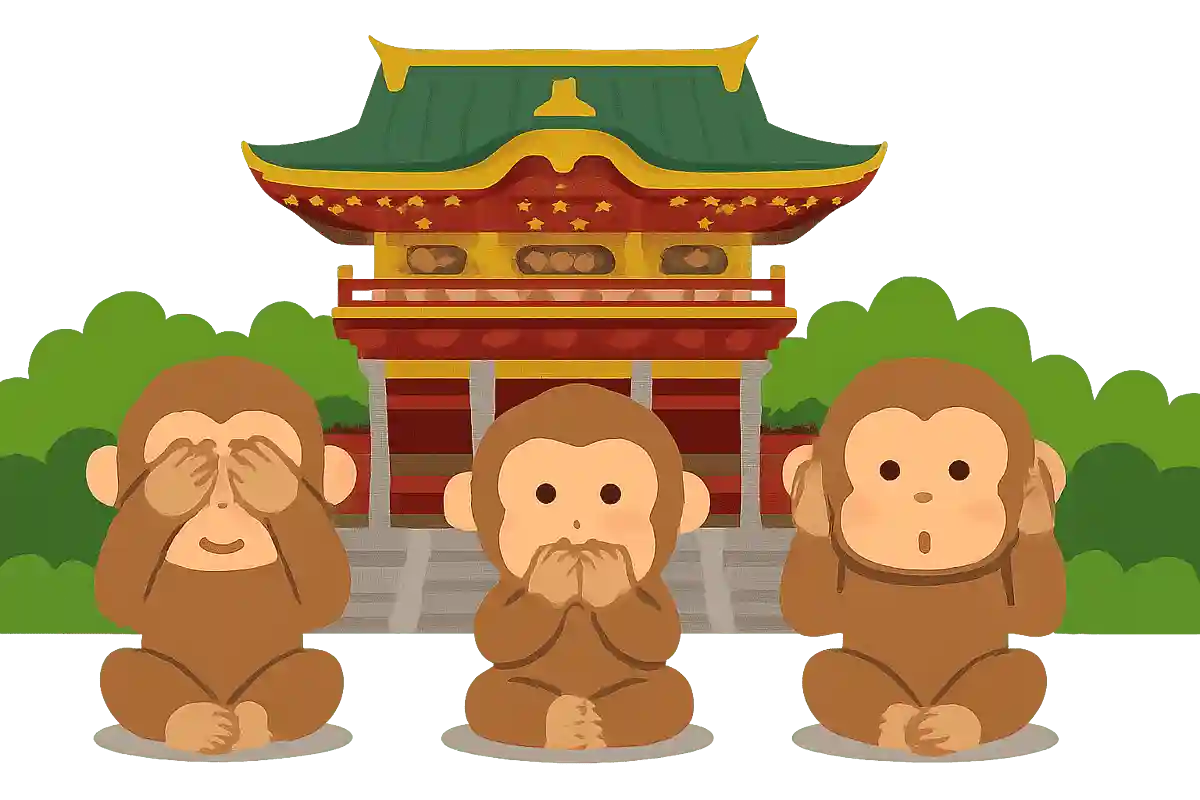
Which of the following prefectures is home to Nikkō Tōshōgū, famous for the Three Wise Monkeys?
- Saitama Prefecture
- Tochigi Prefecture
- Ibaraki Prefecture
See the answer
Tochigi Prefecture
Nikkō Tōshō-gū is a Shinto shrine located in Nikkō, Tochigi Prefecture, Japan. It enshrines Tokugawa Ieyasu, the first shogun of the Edo shogunate. Founded in 1617 according to Ieyasu’s will, it was constructed under the second shogun, Tokugawa Hidetada.