

Fun facts quiz about Sensō-ji: Trivia questions about Kaminarimon and nearby facilities (for seniors)

Senso-ji Temple is one of Tokyo’s most famous sightseeing spots, beloved by visitors from Japan and abroad.
The Kaminarimon (Thunder Gate) at the entrance to the approach is especially famous, and the neighboring Asakusa Shrine and its grand festival, the Sanja Matsuri, are also well known.
In this article, we present trivia about Senso-ji in a quiz format.
We’ve prepared a wide range of questions, from well-known facts to lesser-known ones, so please take a look!
If this helps you deepen your knowledge of Senso-ji, you’ll be able to enjoy your visit even more when you go in person.
Now, let’s jump right in and give it a try!
Asakusa Senso-ji Trivia Quiz: Fun Facts about the Kaminarimon Gate and Nearby Spots [For Seniors] (1–10)
What is the official name of Kaminarimon?
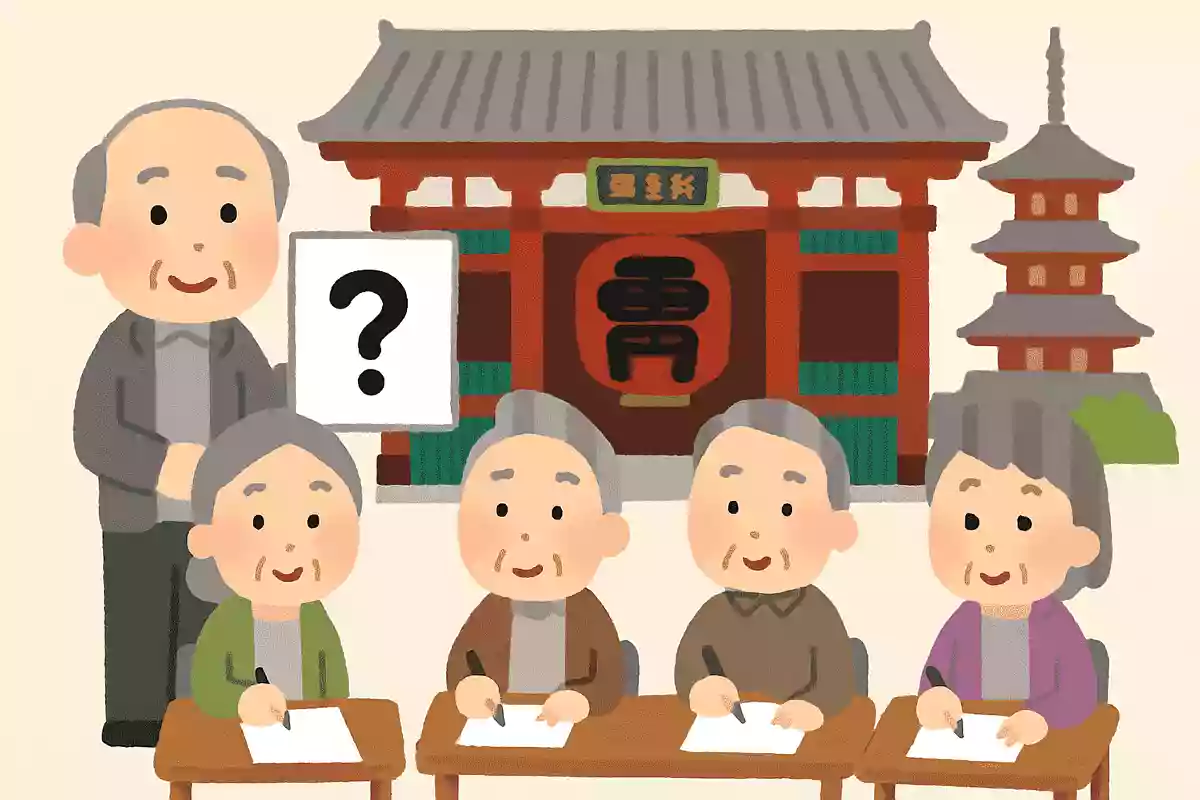
- Rashomon Gate (Ōtenmon)
- Gokuraku Gate
- Furaijin Gate
See the answer
Furaijin Gate
The main gate of Sensō-ji is popularly known as Kaminari-mon, as written on the lantern, but its official name is Fūraijin-mon. This official name comes from the statues of the Wind God and Thunder God enshrined inside the gate. These two statues embody the wish that the gate be protected from wind and water disasters.

What material was used for the roof tiles during the 2009 renovation of the main hall?
- pottery
- cement
- Titanium
See the answer
Titanium
The tiles used during the 2009 renovation of Sensō-ji’s Main Hall were made of titanium. Titanium is highly durable and lightweight, making it an excellent building material. These titanium tiles were also used for the Hōzōmon Gate during the 2007 renovation. Careful attention was paid to the color and surface treatment of the tiles to reproduce the appearance of traditional clay tiles.
What is the name by which the main approach road extending from Kaminarimon is called?
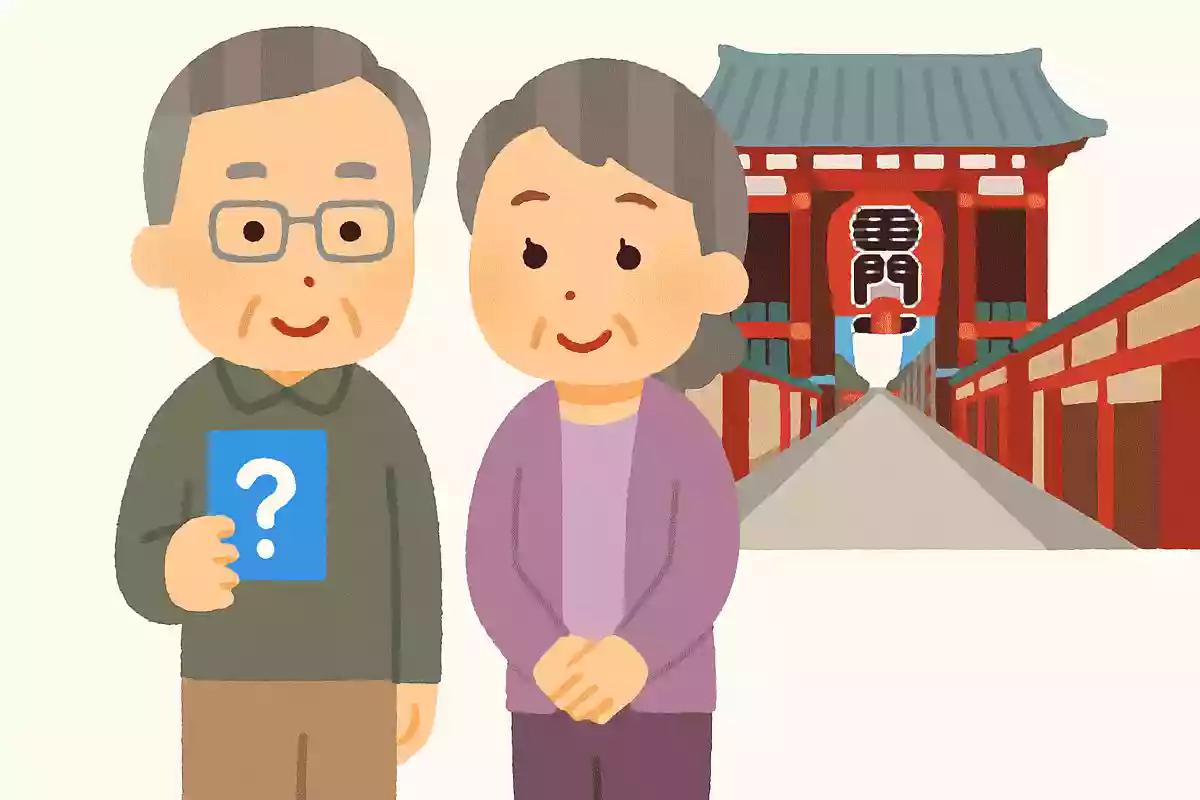
- Nakamise-dori (Nakamise Street)
- Kappore Street
- Hanayashiki Street
See the answer
Nakamise-dori (Nakamise Street)
The road from Kaminarimon to Hozomon is called Nakamise Street. Nakamise Street serves as the approach to Senso-ji Temple, lined with many shops selling traditional Japanese souvenirs and foods. It’s one of the must-see spots for visitors.
Senso-ji is considered the birthplace of a certain thing—what is it?
- blotting paper
- maneki-neko (beckoning cat)
- Japanese tea
See the answer
maneki-neko (beckoning cat)
Sensō-ji is considered the birthplace of the beckoning cat (Maneki-neko). A Maneki-neko is a good-luck charm believed to bring prosperity in business and good fortune. Records show that Maneki-neko were sold at Sensō-ji in 1852, and they were also known as Asakusa Kannon cats or Marujime cats.
Who was the person who donated the reconstructed Kaminarimon gate in 1960 after it had been destroyed by fire?
- Konosuke Matsushita
- Soichiro Honda
- Akio Morita
See the answer
Konosuke Matsushita
In 1960, the person who rebuilt and donated Asakusa Temple’s Kaminarimon, which had been destroyed by fire, was Konosuke Matsushita, the founder of Matsushita Electric Industrial Co., Ltd. Abbot Kyojun Shimizutani learned of Konosuke Matsushita’s neuralgia and prayed for his recovery, and it is said that he recovered splendidly. This became the impetus for Matsushita to donate the Kaminarimon.
Which statue is enshrined inside the Hozomon Gate?
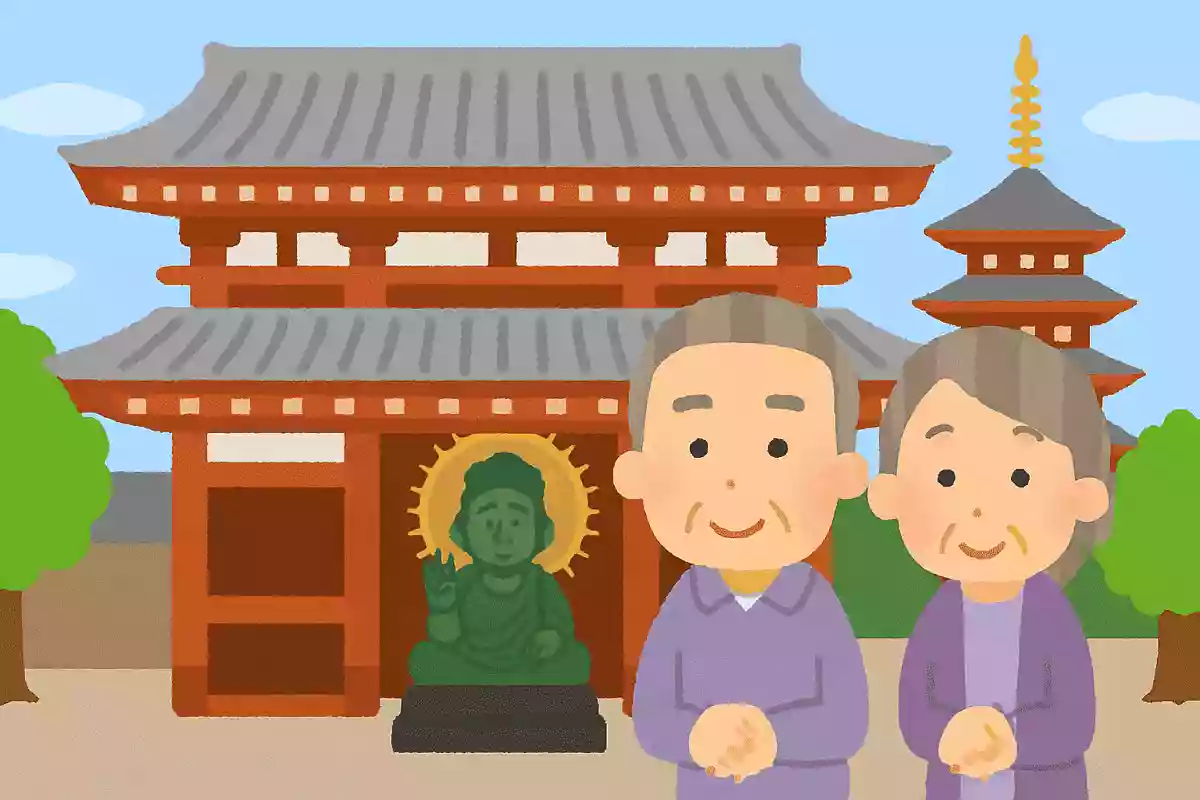
- Nio (Kongō Rikishi) statues
- Tiger and Dragon
- Wind God and Thunder God
See the answer
Nio (Kongō Rikishi) statues
At the Hozomon Gate of Senso-ji, statues of the guardian deities known as Kongorikishi are enshrined. Also called Nio statues, they serve as protectors. The Agyo statue is placed on the west side of the gate, and the Ungyo statue on the east side.
Which of the following events served as the catalyst for the founding of Sensō-ji?
- I was told in my late father’s will to open a temple.
- A statue of Kannon got caught in the net during fishing.
- When I went to the place foretold in my dream, there was a statue of Dainichi Nyorai.
See the answer
A statue of Kannon got caught in the net during fishing.
The origins of Senso-ji date back to 628, when two brothers fishing in the Sumida River pulled a statue of the Bodhisattva Sho Kannon from their net. Afterwards, Senso-ji was built to enshrine this statue.