

Masterpieces of requiems and dirges

A requiem is a piece performed as part of a Catholic Mass for the dead, also known as a Mass for the repose of souls.
As a form of sacred music, it has long been cherished by people.
Among the most famous are the so-called Three Great Requiems by Mozart, Verdi, and Fauré.
In particular, Verdi’s Requiem is probably something you’ve heard in many places.
In addition to these, we’ve gathered requiems ranging from classical masterpieces to relatively recent works, so please enjoy their beautiful and majestic resonance.
- [Music Funeral] BGM to Remember the Deceased | Spotlight on Requiems and Dirges Praying for Peace
- [Memorial Song] A moving classic and love song dedicated to a beloved person embarking on a journey to heaven
- [Songs of Bereavement] Songs about losing a loved one. Tracks to listen to while thinking of someone dear
- [Bereavement Song] To you whom I can no longer meet... Tear-jerking songs about death
- Songs to Play at My Own Funeral: Timeless Gems to Make Farewells Uniquely My Own
- [Masterpiece Classics] A special showcase of gem-like masterpieces so beautiful they’ll move you to tears
- A beautiful Japanese song that purifies the heart. A highly recommended classic.
- Masterpieces of requiems and dirges
- A poignant classic masterpiece. Recommended classical music.
- Cool classical masterpieces. Recommended classical music.
- [Classical] Introducing Recommended Moving/Touching Pieces
- [Thank-You Song] A song to convey your feelings of “thank you” to someone special
- The lyrics are profoundly good. The more you listen, the more it sinks in. Masterpieces of Japanese music, recommended popular songs.
Masterpieces of Requiems and Funeral Songs (1–10)
Requiemandore kanpura

The French Baroque musician André Campra entered a choir as a child and received training in church music.
By the age of 33, he had risen to the position of music director at Notre-Dame Cathedral, but after secretly presenting a theatrical work—without the church’s knowledge—that became a great success, he lost his post.
After various twists and turns, he returned to the realm of sacred music, where he composed a Requiem renowned as a masterpiece of French Baroque sacred music, full of rich melody and a transparent, gentle atmosphere.
It is said to have influenced Fauré; why not immerse yourself in this healing sound world?

RequiemJuzeppe Verudi

“Dies Irae” is one of the three great Requiems and a particularly famous movement in Verdi’s Requiem.
The brass, strings, and percussion each depict the thunder, storm, and rumbling of the Day of Judgment when the world returns to ashes.
It then leads, with the opening trumpet fanfare, into the “wondrous sound of the trumpet” that heralds the end of the world as revealed in the Apocalypse.
The flow is so overwhelming—like witnessing the wrath of God firsthand—that it takes your breath away.
RequiemJon Ratā

Requiem by the British composer John Rutter is said to have been written in the wake of the death of someone close to him.
It opens with solemn atmosphere and even dissonances that evoke despair, but as the chorus enters with ‘Eternal rest,’ the music gradually brightens, unfolding into a melody as if light were breaking through.
While it retains the majestic character typical of a requiem and follows a trajectory from despair to salvation, it lacks the fierce elements found in pieces like the ‘Dies irae,’ and is instead a work suffused with healing throughout.
Masterpieces of Requiems and Funeral Songs (11–20)
A German RequiemYohanesu Buraamusu
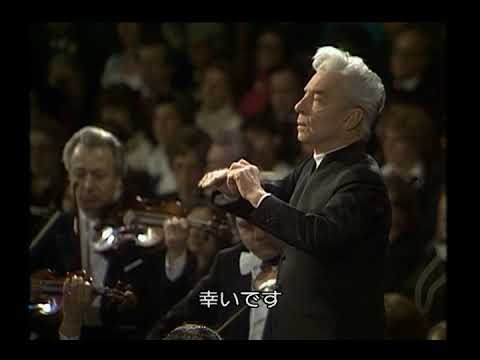
A “Requiem” is Catholic liturgical music that is originally sung in Latin with its proper texts, but the German Requiem is a German-language requiem whose lyrics are based on biblical texts translated by Luther.
Whereas a traditional Requiem prays to God for the repose of the souls of the dead, this work expresses human suffering and endurance, as well as the consolation and reward obtained through faith, which is why it is called a “Requiem for the living.” Amid music of Brahms’s characteristic grandeur, it overflows with the joy of being blessed by God—a work of utter bliss.
RequiemSutību Doburogousu

Dobrogos, an American composer active in Sweden.
Although he is known as a songwriter of popular and jazz music, this Requiem, with its superb harmony and polyphony reminiscent of Renaissance music, can be considered orthodox classical music.
The traditionally fierce Dies irae is omitted, resulting in a moving Requiem suffused with gentle, transparent sonorities.
Requiem for the Commemoration of Archbishop SigismundMihyaeru Haidon

A Requiem composed by Michael Haydn, the younger brother of Joseph Haydn—known as the “Father of the Symphony”—in memory of Archbishop Sigismund.
It is said that the death of his beloved daughter at just one year old had a profound impact on the work.
Written after he overcame the grief that left him unable to compose for several months, this monumental piece surges with anguish and tension.
Haydn’s Requiem, which greatly influenced Mozart’s own Requiem composed twenty years later, is one you should definitely hear.
RequiemMōrisu Dyuryufure

Duruflé’s Requiem, by the 20th-century French composer, is often regarded as the last fully realized Requiem written in the style of the formal Latin liturgy.
While it weaves Gregorian chant—long considered a cornerstone of classical music—throughout the entire work, it also deftly employs counterpoint and Duruflé’s uniquely refined French harmonies, resulting in a profound yet sumptuous fusion of the classical and the modern.