



A requiem is a piece performed as part of a Catholic Mass for the dead, also known as a Mass for the repose of souls.
As a form of sacred music, it has long been cherished by people.
Among the most famous are the so-called Three Great Requiems by Mozart, Verdi, and Fauré.
In particular, Verdi’s Requiem is probably something you’ve heard in many places.
In addition to these, we’ve gathered requiems ranging from classical masterpieces to relatively recent works, so please enjoy their beautiful and majestic resonance.
- [Music Funeral] BGM to Remember the Deceased | Spotlight on Requiems and Dirges Praying for Peace
- [Memorial Song] A moving classic and love song dedicated to a beloved person embarking on a journey to heaven
- [Songs of Bereavement] Songs about losing a loved one. Tracks to listen to while thinking of someone dear
- [Bereavement Song] To you whom I can no longer meet... Tear-jerking songs about death
- Songs to Play at My Own Funeral: Timeless Gems to Make Farewells Uniquely My Own
- [Masterpiece Classics] A special showcase of gem-like masterpieces so beautiful they’ll move you to tears
- A beautiful Japanese song that purifies the heart. A highly recommended classic.
- Masterpieces of requiems and dirges
- A poignant classic masterpiece. Recommended classical music.
- Cool classical masterpieces. Recommended classical music.
- [Classical] Introducing Recommended Moving/Touching Pieces
- [Thank-You Song] A song to convey your feelings of “thank you” to someone special
- The lyrics are profoundly good. The more you listen, the more it sinks in. Masterpieces of Japanese music, recommended popular songs.
Masterpieces of Requiems and Funeral Songs (1–10)
RequiemWolfgang Amadeus Mozart

Mozart’s final work.
Known as one of the three great Requiems.
As he worked on this piece, Mozart’s health gradually declined, and he died young at the age of 35.
A Requiem is a Mass praying for the repose of the dead, and the timing made it seem as though he was writing it for himself.
The work is filled with masterpieces, but the eighth movement, Lacrimosa—said to have brought Mozart to tears when he heard a trial singing from his sickbed—is a must-hear.

Pie JesuAndoryū Roido Webbā
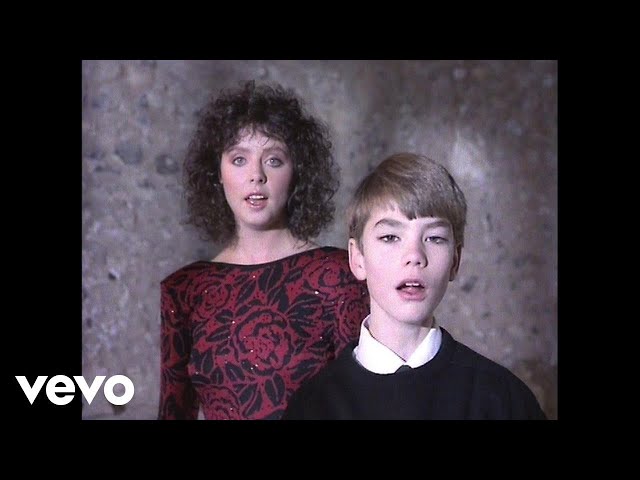
Andrew Lloyd Webber, renowned for numerous musical numbers such as The Phantom of the Opera, composed his Requiem in memory of his father, who had been the organist at Westminster Abbey, and out of anguish over the Cambodian Civil War.
Among its movements, the best known is Pie Jesu.
Often rendered as “Merciful Jesus,” Pie Jesu is a prayer asking that the souls of the departed be granted eternal rest.
Many composers have set it, but Lloyd Webber’s Pie Jesu is breathtaking for its soprano duet entwined with a tender organ and a luminous orchestra.
RequiemGABURIERU FŌRE

Among the so-called three great Requiems, Fauré’s Requiem omits the Dies irae and thus does not conform to the traditional Mass, drawing criticism that it “does not express the terror of death.” Fauré himself is said to have viewed death not as something grievous, but as a release into happiness.
Filled with a serenity unlike other Requiems, this work seems to embody the original meaning of requiem—“rest.”
RequiemRui Ekutoru Beruriozu

Composed in just four months, this piece is officially titled “Grand Mass for the Dead.” While it is based on the proper texts of the Requiem, some of the lyrics are rearranged in places.
The sections featuring an astonishingly large ensemble—at least 200 choristers, eight pairs of timpani, and four separate brass bands in addition to the orchestra—are, as one would expect, overwhelmingly powerful.
Yet overall, it is a curious work that exudes a serene atmosphere befitting a piece mourning the dead.
RequiemKamiiyu San-saansu

Although Saint-Saëns was a church organist and left an enormous body of work, he wrote surprisingly little sacred music.
That makes sense, as he was in fact an atheist.
His Requiem, however, has a curious charm: while its fresh choral writing and majestic organ create a religious aura, flashes of worldly flamboyance also peek through.
Perhaps this reflects the mindset of Saint-Saëns, who, despite lacking personal faith, recognized and respected the necessity of religion for humanity.
Requiem for the LivingDan Foresuto

Composed in 2013 by American composer Dan Forrest at the young age of 34, the Requiem for the Living is a requiem dedicated not only to the dead but to all living beings.
Life is a succession of lament, pain, and anger.
This work beautifully portrays the way we confront life’s hardships head-on and, amid our suffering, discover salvation through God.
War RequiemBenjamin Buriten

War Requiem is a work composed to celebrate the rebuilding of Coventry Cathedral in England, which was destroyed by German air raids during World War II.
Its distinctive text combines traditional liturgical passages with the poetry of Wilfred Owen, who was killed in World War I, embodying a memorial to all who lost their lives in the two world wars and a prayer for everlasting peace.
While depicting the brutality and tragedy of war, it is a masterpiece that also conveys great hope for humanity.