

Songs with titles that start with “Chi.” Useful as hints for word-chain games!

Karaoke shiritori, where you connect the last character of a song you sing to the first character of the next song, and title-only shiritori, where you play using just song titles—both are fun games that use music, aren’t they?
In this article, we’ll introduce lots of songs that start with “chi” so you can use them as a reference for shiritori karaoke and song-title shiritori.
When you think of words that start with “chi,” examples include “chokorēto” (chocolate), “chīsana” (small/little), and “cherī” (cherry).
Seeing these words might bring a few song titles to mind, right?
We’ve selected popular songs across eras, genres, and genders, so if there’s one you think you can sing, definitely give it a try!
- Compilation of Vocaloid songs with titles starting with “Chi”
- Songs with titles starting with “Ki” [Great for karaoke & shiritori!]
- Songs with titles starting with “Ko” [Great for karaoke and shiritori, too!]
- Coming-of-age songs for your 50s: heart-thumping × heartwarming classics and popular tracks [2026]
- Songs with titles that start with “te.” Perfect for shiritori karaoke or song-title shiritori!
- Songs with titles that start with 'Ke'
- A roundup of songs that start with “ku.” Perfect for shiritori or picking karaoke tracks!
- Songs that start with the letter “Shi.” Perfect for shiritori or karaoke!
- Songs with titles that start with “Na.” A hint for shiritori!
- Compilation of Vocaloid songs that start with 'Ri'
- Songs with titles that start with “Pi.” Useful for word-chain games or karaoke hints!
- A roundup of songs with titles starting with “Re.” Great for karaoke shiritori too!
- A classic song with a title that starts with “Ru”
Songs with titles starting with “Chi.” Helpful as hints for word-chain games! (491–500)
A Little Love SongMiyano Mamoru

This is the version sung by Mamoru Miyano, known for his gentle voice and prince-like looks.
His stable, handsome voice has captivated many women.
It also has a freshness that makes it easy for men to enjoy, and his passionate delivery makes this a cover loved by people of all ages.
If I had to compare it to something, it would be sour cream.
cherryieiri reo

Leo Ieiri singing Spitz’s “Cherry.” Outstanding vocal ability with a powerful, bright tone.
It’s a perfect match for “Cherry,” arranged close to the original.
Listening to Leo Ieiri’s “Cherry” will fill you with energy—highly recommended for all generations.
Be sure to give it a listen.

Cho Ero De GomenneAshitaba Kirara

This track is also a rap song guaranteed to get you wildly pumped up.
Even people in their 60s who feel their stamina waning won’t be able to help getting excited when they hear popular AV actress Kirara Asuka’s raunchy rap.
It features dominantly sadistic lyrics that could be called a “teasing rap,” echoing with bite.
chicken riceHamada Masatoshi to Makihara Noriyuki

A masterpiece born from a star-studded collaboration between a musician and comedians: music by Noriyuki Makihara, lyrics by Hitoshi Matsumoto, and main vocals by Masatoshi Hamada.
It came about when Noriyuki Makihara appeared on a music show hosted by Downtown.
This heartwarming song portrays Christmas from two perspectives: a “boyhood spent in poverty” and “the present as an adult who’s making money.”
Small ResistanceAimoto Kumiko

Kumiko Aimoto is a figure truly worthy of representing 1970s idols.
She debuted as a singer, but went on to work across multiple fields, including dramas and variety shows.
Her broad range of activities even earned her the nickname of a “variety idol.”
Child’s days memorykome kome CLUB
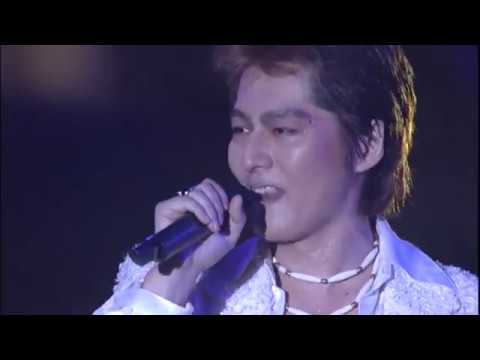
This is a song that was often used as the ending theme during the 1994–1995 season.
As the title suggests, it depicts a nostalgic look back at childhood memories.
Although it’s a song from a children’s program, it also seems aimed at parents, evoking a sense of nostalgia.
While it reflects on a past that cannot be returned to, it conveys not sadness or loneliness, but a sense of hope—moving toward the future with radiant memories in one’s heart.

Torn LoveSaijō Hideki

Hideki Saijo, a singer who captivated fans as one of the “New Big Three” of the pop world alongside Hiromi Go and Goro Noguchi.
His sixth single, “Chigireta Ai,” which earned him his first No.
1 on the Oricon weekly chart, became a turning point for him as it was the first time he showcased the vocal style later called the ‘ze-ssho-gata’ (impassioned, full-throttle singing).
Its wistful melody and impactful vocals will likely resonate with those in their 60s, overlapping with their youthful days.
It is a Showa-era classic packed with the charm of vintage kayōkyoku.
