

Useful right away in daily life! Surprising trivia and handy tips


We’re introducing handy general trivia and life hacks that will make your everyday life easier and more enjoyable just by knowing them! Do you ever run into small inconveniences in daily life or find yourself thinking, “I wish this were a little better”? This article will help solve those little hassles you feel! It’s packed with clever, useful tips that are great to know.
They’re all things you can try right away, so if something catches your eye, give it a go immediately!
- [Great for speeches] Trivia and fun-fact quizzes recommended for morning assemblies
- Trivia quiz with useful tips to know: fun facts that come in handy at school or at home [for kids]
- Trivia and fun facts about food (summary)
- Surprisingly unknown? Trivia Quiz [Multiple Choice: 3 Options]
- Didn't want to know?! Fascinating and scary trivia & fun facts
- A quiz of fun trivia: bite-sized knowledge that leads to new insights.
- [Interesting] Compilation of Trivia Quiz Questions
- A three-choice quiz of useful trivia: a collection of questions you can use in everyday life
- [Did you know?] Fun Trivia Quiz About Health
- Fun facts you’ll want to share! January trivia and tidbits special
- So interesting you’ll want to tell someone! December Trivia & Fun Facts Special
- A compilation of unsettling trivia and fun facts about Earth
- Fun facts you’ll want to share! A special feature on November trivia and tidbits
Time-Saving Tips for Cleaning, Laundry, and Cooking (1–10)
If you soak coins in lemonade, they become shiny.

Doesn’t having shiny coins just make you feel good somehow? Coins minted recently are especially bright and gleaming, and it’s hard to believe they’re worth the same as the dull, tarnished ones.
They are, though.
Anyway, one way to bring those tarnished coins back to life is to soak them in lemon water.
The citric acid in lemons reacts to remove the grime stuck to the coins.
Other methods use baking soda or vinegar, and while they’re less effective on heavy grime, there are also coin-specific cleaners available on the market.

You can remove stove grease with eggshells.

When you cook repeatedly, grease and burnt-on grime can get stuck to your stovetop, and it’s hard to decide what to use to clean it.
In such cases, eggshells can serve as a cleaning tool.
Eggshells are primarily made of calcium carbonate, which is also used as an abrasive, so rubbing crushed shells with a sponge helps remove the grime.
It’s a neat bit of trivia with eco-friendly elements: reusing something you would normally discard and using a natural material.
However, because it contains the same component as abrasives, there’s a risk of scratching, so consider your stovetop’s material before using eggshells.

Odors stuck to a Tupperware container can be removed with salt water.
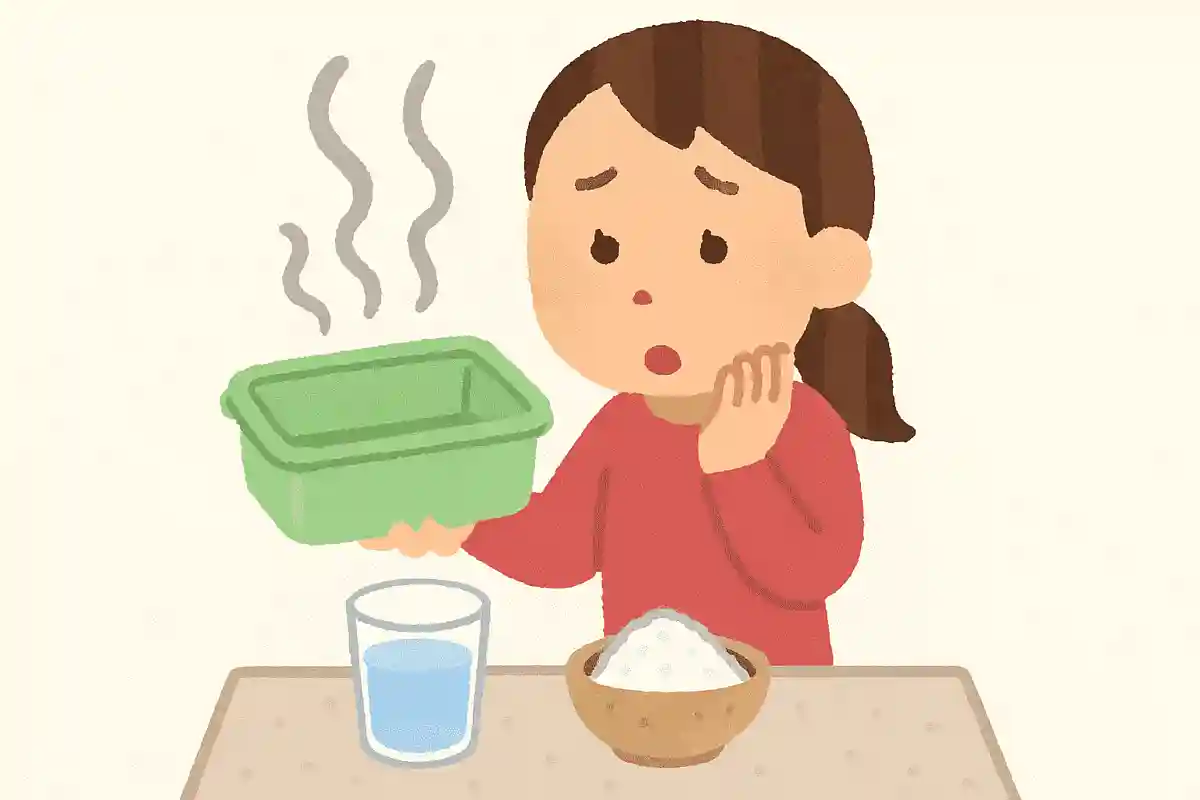
Tupperware that helps store food can sometimes develop odors, depending on what you put in it and how long you use it.
Did you know that you can remove those stubborn smells with salt water? Here’s how: fill the container with a strong saltwater solution and let it sit for about 30 minutes.
Then just wash it as usual, and the odor will come off easily.
The smell often lingers because it gets trapped in tiny bumps and fine scratches.
The mechanism is that the osmotic effect of the salt draws out the odor-causing substances, eliminating the smell.
Since you only need a few simple items, it’s easy to give this a try.
Use spinach boiling water to remove stains from clothing.
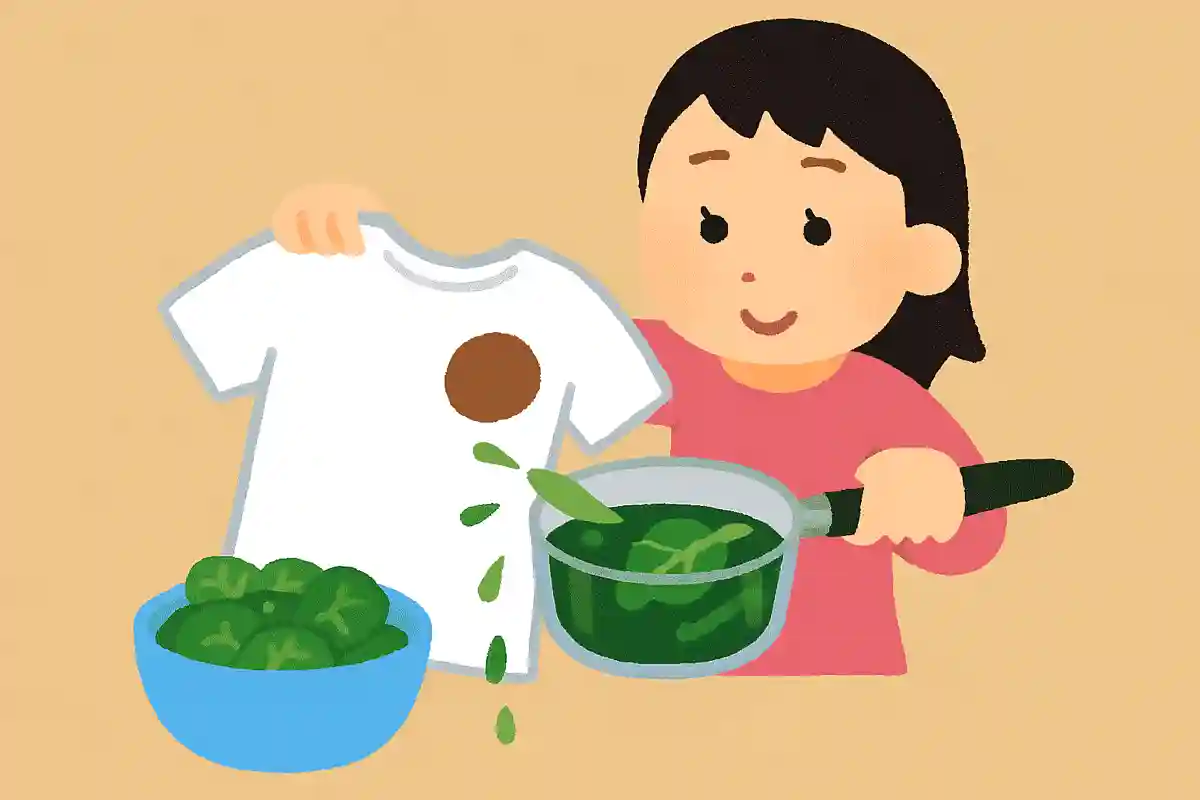
If a stain gets on your clothes and you don’t remove it properly, it will continue to stand out.
In such cases, we usually use a stain remover—but you can also use spinach boiling water as a substitute.
Spinach boiling water contains a lot of oxalic acid, the same component found in many stain removers, so it can help lift stains.
Reusing what would otherwise be discarded boiling water and avoiding extra detergents also makes this an eco-friendly option.
Note that it won’t work on every type of stain, so it’s best to identify what caused the stain and use it accordingly.
Dish soap works well on shirt collar stains.

Some of you may have experienced coming home and finding the collar of your shirt dirty after taking off your clothes.
In such cases, a household dishwashing detergent can be very useful.
Soak the collar area with yellowing or stains in a basin or sink filled with lukewarm water for several tens of minutes.
Then apply dishwashing detergent directly to the problem areas, work it in, rinse with water, and launder as usual.
Since collar grime is often caused by sebum and sweat adhering to the fabric, it’s important not to leave the day’s dirt until the next day.
