

A collection of hit songs and classics that opened the door to 1990s Visual Kei

The visual kei rock scene is buzzing with many up-and-coming bands, but there’s no doubt its peak boom was in the 1990s.
It’s true that X (X JAPAN) laid the groundwork, LUNA SEA presented one vision of completion, and many subsequent bands followed.
At the same time, distinctive acts also thrived—such as BUCK-TICK, rooted in gothic rock, and the uniquely evolved “Nagoya-kei.”
Let’s take a look at some classic songs from 1990s visual kei rock!
We’ve also included early masterpieces from bands that are still popular today.
- A classic masterpiece of visual kei. A staple and popular song representing V-kei rock.
- Debut song of a 90s visual kei band
- [J-Rock] Timeless masterpieces that colored the 1990s. Nostalgic hit songs.
- [Neo-Visual Kei] A roundup of popular songs by V-kei bands from the 2000s
- Debut song of an 80s visual-kei band
- [BUCK-TICK Masterpieces] Popular Songs by the Legendary Band with an Overwhelming Presence
- 1990s Male Singer-Songwriters: Popular Song Rankings [2026]
- The Aesthetics of Darkness: An Introduction to Gothic Rock — Notable Bands
- [1998 Japanese Hit Songs] A roundup of timeless classics that still live on in people’s memories!
- Representative bands of the Nagoya-kei scene in 90s Visual Kei
- Iconic ballads of 90s J-pop: nostalgic mega-hits and fan favorites
- Masterpieces and popular songs by DIR EN GREY
- Anime songs that were hits in the 1990s. Recommended masterpieces and popular tracks.
Hit Songs and Masterpieces That Opened the Door to 1990s Visual Kei (41–50)
Lunar worldBUCK-TICK

This BUCK-TICK classic captivates listeners with the floating, otherworldly timbre of the theremin.
The lyrics, said to have been inspired by Atsushi Sakurai’s hospitalization experience, evoke a sensation of drifting between dream and reality.
Released as a single in May 1998, the song also served as the opening theme for the anime Night Walker: Mayonaka no Tantei.
It’s a perfect listen for a quiet, solitary night, when you want to reflect on your inner self under the moonlight.
supercarCASCADE

This is CASCADE’s fourth single, released in November 1997, where pounding programmed beats fuse with high-energy guitars.
It features a sparkling sound that overturns the visual kei image, drawing on technopop and new wave influences.
Sung by TAMA with a crystal-clear high tone, the lyrics depict a love story set in a city aglow with winter illuminations.
The bittersweet mix of yearning and exhilaration—wishing to fly off with someone you love to a future planet—makes your heart ache in the best way.
It was also used in a Himalaya TV commercial, enhancing the cheerful mood of the season.
It’s lovely to sink into the bittersweet memories of that time while listening to the classic album “80*60=98,” which includes this track.
Put it on during a winter night drive and your spirits are sure to soar.
QueenROUAGE

Shifting from a dreamy intro to piercing, razor-sharp guitar riffs, this is ROUAGE’s major-label debut that epitomizes the Nagoya scene.
The world the song paints—evoking the glamour of a solitary “queen” and the loneliness and inner conflict lurking behind it—is striking, isn’t it? KAZUSHI’s vocals, resonating from deep within, further accentuate its decadent beauty.
Many listeners will likely relate to the duality of light and shadow that everyone carries somewhere in their hearts.
Released in April 1996, the track also reached living rooms nationwide as the ending theme of TV Asahi’s music program “mew.” It’s the perfect song for nights when you want to step away from the everyday and immerse yourself in a slightly dark, decadent tale.
Fallen Angel BLUEΛucifer

Even knowing it’s a forbidden love, I can’t stop yearning for them.
That searing passion is what Λucifer captured in their debut release from September 1999.
Used as the opening theme for the TV anime “Kaikan Phrase,” the song reached No.
16 on the Oricon chart, with lyrics by Yukinojo Mori and composition by TAKUYA.
Over fierce guitars and driving drums, vocalist MAKOTO sings of an angel’s torment and ecstasy as they fall because of love.
When you want to fully immerse yourself in the decadent yet beautiful aesthetic of visual kei, this track is guaranteed to set your heart trembling.
For many, this work became the gateway to their music—leading them to pick up the album “LIMIT CONTROL,” don’t you think?
IN MY DREAM (WITH SHIVER)LUNA SEA

You’re instantly captivated by the guitar’s strumming, which shines with a certain cold light.
It’s an irresistible track with a dreamy, bittersweet world—like wandering through a beautiful feverish nightmare.
The song feels like a story of a soul trembling in loneliness, seeking salvation in the moonlight.
RYUICHI’s soaring vocals, as if reaching the heavens, gently set the listener’s emotions free.
Released in July 1993 as their second single and cut from the classic album EDEN, it became a symbol of the band’s breakthrough, charting at No.
9 on Oricon.
It might be a hidden gem that stays close and seeps deep into your heart when you’re holding unspoken feelings inside.
MOONLUNA SEA

LUNA SEA has produced numerous hit songs.
This is the ethereal track included on their major-label debut album, IMAGE.
Released in May 1992, it’s truly a hidden gem known to those in the know.
SUGIZO’s delay-drenched arpeggios and the three-beat rhythm paint a scene like moonlight shimmering on the night sea.
The lyrics, depicting a poignant prayer to an unreachable presence—like trying to gather light spilling from your palm—pierce straight to the heart.
The expansive arrangement, enhanced by the sound of violin, deepens the world of the song even further.
It’s a piece you’ll want to listen to alone on a quiet night, immersing yourself fully in its sonic universe.
TONIGHTLUNA SEA
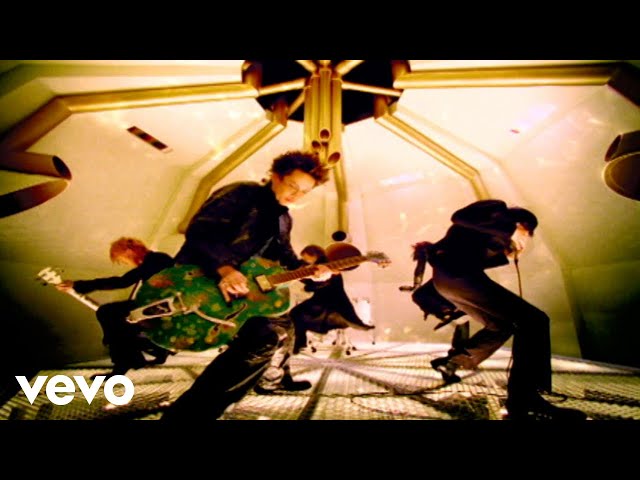
It’s a rock tune that condenses an explosive impulse, racing straight through from the intro.
In just about three minutes, it packs in LUNA SEA’s razor-sharp groove to the brim.
Based on an original piece by bassist J, the band elevated it into a hard, aggressive sound.
There’s an anecdote that RYUICHI deliberately rasped his voice for the recording, which perfectly syncs with the raw emotion the track carries.
Released as a single in May 2000, it’s a crucial song that leads into the album “LUNACY,” and as the image song for WOWOW EURO2000 (the UEFA European Championship), it amped up the tournament’s excitement.
It’s brimming with instant, driving energy that gives you a push when you want to break through something.