

A collection of hit songs and classics that opened the door to 1990s Visual Kei

The visual kei rock scene is buzzing with many up-and-coming bands, but there’s no doubt its peak boom was in the 1990s.
It’s true that X (X JAPAN) laid the groundwork, LUNA SEA presented one vision of completion, and many subsequent bands followed.
At the same time, distinctive acts also thrived—such as BUCK-TICK, rooted in gothic rock, and the uniquely evolved “Nagoya-kei.”
Let’s take a look at some classic songs from 1990s visual kei rock!
We’ve also included early masterpieces from bands that are still popular today.
- A classic masterpiece of visual kei. A staple and popular song representing V-kei rock.
- Debut song of a 90s visual kei band
- [J-Rock] Timeless masterpieces that colored the 1990s. Nostalgic hit songs.
- [Neo-Visual Kei] A roundup of popular songs by V-kei bands from the 2000s
- Debut song of an 80s visual-kei band
- [BUCK-TICK Masterpieces] Popular Songs by the Legendary Band with an Overwhelming Presence
- 1990s Male Singer-Songwriters: Popular Song Rankings [2026]
- The Aesthetics of Darkness: An Introduction to Gothic Rock — Notable Bands
- [1998 Japanese Hit Songs] A roundup of timeless classics that still live on in people’s memories!
- Representative bands of the Nagoya-kei scene in 90s Visual Kei
- Iconic ballads of 90s J-pop: nostalgic mega-hits and fan favorites
- Masterpieces and popular songs by DIR EN GREY
- Anime songs that were hits in the 1990s. Recommended masterpieces and popular tracks.
Hit Songs and Masterpieces That Opened the Door to 1990s Visual Kei (41–50)
Boy Meets GirlJUSTY NASTY

Formed around vocalist Kenichi Fujisaki.
Unusually for visual kei at the time (perhaps?), many of their songs have a calm tone.
The vocalist has a distinctive style, but in the bands he joined afterward, his singing changed to something less idiosyncratic.
They reunited in 2015.
A collection of hit songs and classics that opened the door to 1990s Visual Kei (51–60)
Forever LoveX JAPAN
It’s the ultimate ballad that epitomizes the band’s extraordinarily dramatic history.
The magnificent orchestration and the piano melodies performed by YOSHIKI intertwine with Toshi’s poignant yet powerful high-tone vocals to superbly convey the grand theme of eternal love that endures even after losing the one you love.
Released in July 1996, this song was also included on that year’s masterpiece album, Dahlia.
Chosen as the theme song for the theatrical animated film X, based on CLAMP’s work, and later featured in a commercial starring Junichiro Koizumi, it became a classic widely known beyond the band’s fanbase.
On nights when you’re thinking of someone dear, listening while immersing yourself in its expansive world will move you to tears with its profoundly emotional resonance.
THE LAST SONGX JAPAN
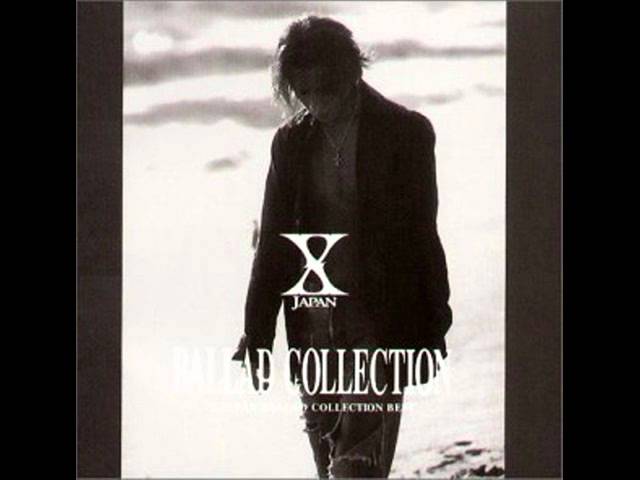
An epic symphonic ballad over 11 minutes long that epitomizes the band’s overwhelmingly dramatic history.
Crafted by YOSHIKI, the piece weaves delicate piano melodies with weighty orchestration, while Toshl’s vocals—like a cry from the soul—strike straight to the heart.
The lyrics, shifting between English and Japanese, seem to portray the unbearable pain and regret at the moment of parting, along with the protagonist’s self-questioning.
Although it was released in March 1998 as the band’s final single following their breakup, it was performed as the opening song at their reunion concert in March 2008—an element that deepens the song’s narrative quality.
It’s the perfect track for nights when you want to be swept away by the band’s harrowing journey and the maelstrom of emotions poured into it.
LOVELESSLUNA SEA

Opening the acclaimed masterpiece “MOTHER,” released in October 1994, this track heralds the beginning of a grand narrative.
Its crystalline guitar sound instantly draws the listener into its world.
While the song grapples with the piercing theme of the absence of love, it seems to coexist with a resonance akin to a prayer seeking salvation.
Though not released as a single, it has opened numerous significant live shows and can be said to embody the spirit of the band.
It’s a piece I hope you’ll listen to on a night when you want to quietly reflect on your heart.
so….D’ERLANGER

This is a D’ERLANGER track notable for its gothic, decadent atmosphere.
It’s one of the songs included on their first major-label album, Basilisk, released in March 1990, and kyo’s languid vocals convey the protagonist’s emotions as they waver within a fleeting, precarious relationship.
The sense of nihilism and impatience lurking beneath the beauty is sure to deeply move listeners.
In 2010, it was re-recorded for their self-cover collection a Fabulous Thing in Rose.
How about giving it a careful listen on a night when you want to step away from everyday life and sink into a slightly sentimental mood?
Precious…LUNA SEA

It’s a song brimming with rough-hewn charm, honed on stage since their indie days and beloved by fans.
The sound—where the decadent beauty of gothic rock fuses with the impulsive energy of punk—can be called the very essence of LUNA SEA’s early drive.
As the title “Taisetsu na…” (“Precious…”) suggests, RYUICHI’s emotive vocals earnestly convey the longing and pain for an irreplaceable presence that has been lost.
The track is included on their debut album “LUNA SEA,” released in April 1991.
Though an indie release, it became a signature song on a landmark record that sold over 30,000 copies in its first pressing.
If you want to step into the dark, multilayered world of ’90s visual kei, why not open that door with this track?
ivory treeLa’cryma Christi

This is La’cryma Christi’s major-label debut single, marked by its flowing twin-guitar lines and melodies that evoke the feeling of traveling through a distant, foreign land.
Within a delicately beautiful world, as if carved from ivory, it seems to sing of tenderness toward things that fade away.
Many listeners likely felt their hearts burn at the story spun by TAKA’s clear, high-toned vocals.
Released in May 1997, the song was also used as the ending theme for the TV program “Susume! Denpa Shonen.” Its sound balances progressive development with pop sensibilities, making it perfect for nights when you want to immerse yourself in a story.
Why not surrender yourself to this meticulously constructed sonic world?