

A masterpiece by Richard Wagner. Popular classical music.

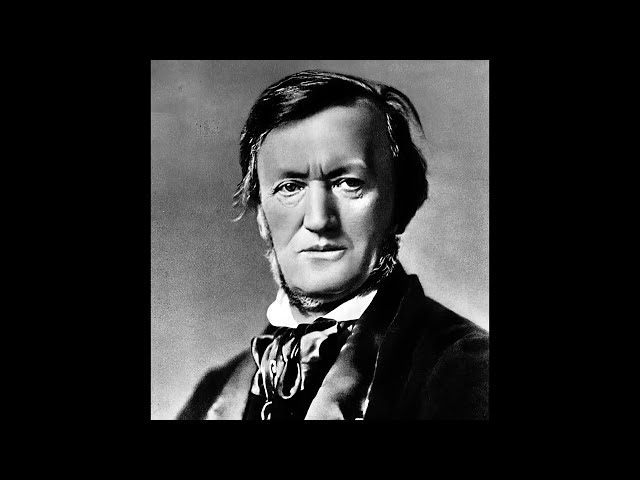
We’ve put together a collection of masterpieces by Richard Wagner, the 19th-century German composer known as the “King of Music Drama”! He wrote the librettos for most of his own operas and was known not only as a composer but also as a man of letters, making him one of the figures who exerted broad influence across Europe in the latter half of the 19th century.
True to his title as the King of Music Drama, he wrote a great many music dramas; however, he also left works such as the Symphony in C major, as well as numerous piano pieces and songs.
Those familiar with wind bands may recognize Wagner’s name from “Elsa’s Procession to the Cathedral.” This time, we’ve selected some of Wagner’s greatest works.
Please give them a listen!
- [Masterpiece Classics] A special showcase of gem-like masterpieces so beautiful they’ll move you to tears
- Famous opera masterpieces | Featuring many great opera singers
- Masterpieces by Gustav Mahler. Popular classical music.
- A comprehensive introduction to the piano works left by the ‘King of Music Drama,’ Richard Wagner!
- A masterpiece by Richard Strauss. Popular classical music.
- [Orchestra] Introducing famous and popular pieces
- [Weber] Masterpieces by the founder of German opera
- Elgar’s masterpiece. Popular classical music.
- [Recommended] Carefully selected masterpieces by Bruckner, the great master of symphonies and sacred music
- Masterpieces of the Romantic Era: A sweeping introduction to soul-stirring, celebrated gems!
- Classical Masterpieces: Recommended Works You Should Hear at Least Once
- Berlioz’s famous piece. Popular classical music.
- A masterpiece by Franz Liszt. Popular classical music.
Masterpieces by Richard Wagner: Popular Classical Music (71–80)
Bridal Chorus from the opera LohengrinRichard Wagner

It’s a piece you’ve probably heard at least once, as it’s often performed at weddings.
The story is set in the Duchy of Brabant and revolves around various intrigues concerning the throne.
This song is sung during the wedding ceremony of Lohengrin, the Knight of the Swan, and Elsa, the princess of the Duchy of Brabant.
Scenes from Lohengrin are depicted inside Neuschwanstein Castle, which is said to have inspired Disneyland’s Cinderella Castle, and you can still see them today.

Tannhäuser: Grand MarchRichard Wagner

This piece was composed by Richard Wagner.
It is played in Act II of his opera Tannhäuser and the Singers’ Contest at Wartburg, which premiered in 1845, and it was written as the march for Tannhäuser, a knight of Wartburg Castle.
Beyond its liveliness, the march also conveys a sense of nobility, and it might make participants at a sports day feel as though they’ve become protagonists in a role‑playing game.
It’s a piece that lets you fully enjoy the extraordinary atmosphere of a sports festival.

“Ride of the Valkyries” from the opera “Die Walküre”Richard Wagner

You often hear this piece on variety shows and the like.
It is the overture to Act III of Wagner’s music drama Die Walküre, composed in 1856.
“Valkyries” refers to multiple demi-goddesses from Norse mythology; in Japanese they’re sometimes called war goddesses.
This piece serves as the prelude to the scene where the Valkyries, mounted on winged horses and armed with shields and spears, race across the sky to carry the souls of fallen soldiers back to a rocky mountaintop.
The Ride Of The ValkyriesRichard Wagner
A popular track used as the prelude to Act 3, “Die Walküre,” from the opera Der Ring des Nibelungen.
It was composed by the German composer Richard Wagner.
It is featured in an Amazon Prime Fire TV Stick commercial starring British television presenter Jeremy Clarkson.
From Act 3, Scene 5 of the music drama ‘Die Meistersinger von Nürnberg’Richard Wagner

From Act 3, Scene 5 of the music drama The Mastersingers of Nuremberg.
In this scene, Walther sings splendidly “Morning Shone Rosy” (Walther’s Prize Song), receives thunderous applause from the crowd, and becomes the winner.
The tenor is Johan Botha, a singer from Rustenburg, South Africa.
Prelude to Act I of the music drama ‘Parsifal’Richard Wagner

The Prelude to Act I from the sacred festival drama Parsifal.
An opera written for King Ludwig II of Bavaria.
It is set at Montsalvat Castle and Klingsor’s castle in medieval Spain.
Performed by the Wagner Project Nagoya Orchestra, conducted by Hiroshi Misawa.
Winter Storms Have Passed from Act 1 of the music drama The ValkyrieRichard Wagner

From The Valkyrie, Act I, “Inside the Hall,” Scene 3, “Winter storms have passed,” from The Ring of the Nibelung, First Day of the Stage Festival Drama.
The duet scene of Siegmund’s “Song of Spring and Love” and Sieglinde’s “You yourself are Spring,” performed by Peter Hofmann and Jeannine Altmeyer.