

A masterpiece by Richard Wagner. Popular classical music.

We’ve put together a collection of masterpieces by Richard Wagner, the 19th-century German composer known as the “King of Music Drama”! He wrote the librettos for most of his own operas and was known not only as a composer but also as a man of letters, making him one of the figures who exerted broad influence across Europe in the latter half of the 19th century.
True to his title as the King of Music Drama, he wrote a great many music dramas; however, he also left works such as the Symphony in C major, as well as numerous piano pieces and songs.
Those familiar with wind bands may recognize Wagner’s name from “Elsa’s Procession to the Cathedral.” This time, we’ve selected some of Wagner’s greatest works.
Please give them a listen!
- [Masterpiece Classics] A special showcase of gem-like masterpieces so beautiful they’ll move you to tears
- Famous opera masterpieces | Featuring many great opera singers
- Masterpieces by Gustav Mahler. Popular classical music.
- A comprehensive introduction to the piano works left by the ‘King of Music Drama,’ Richard Wagner!
- A masterpiece by Richard Strauss. Popular classical music.
- [Orchestra] Introducing famous and popular pieces
- [Weber] Masterpieces by the founder of German opera
- Elgar’s masterpiece. Popular classical music.
- [Recommended] Carefully selected masterpieces by Bruckner, the great master of symphonies and sacred music
- Masterpieces of the Romantic Era: A sweeping introduction to soul-stirring, celebrated gems!
- Classical Masterpieces: Recommended Works You Should Hear at Least Once
- Berlioz’s famous piece. Popular classical music.
- A masterpiece by Franz Liszt. Popular classical music.
Richard Wagner’s masterpieces. Popular classical music (51–60)
ValkyrieRichard Wagner

Conducted by Hans Knappertsbusch and performed by the Vienna Philharmonic Orchestra.
Raised in an environment rich in theater and music, Wagner was inspired by Beethoven and created the “music drama,” an opera in the form of a symphony.
Ride of the ValkyriesRichard Wagner

A piece used in Richard Wagner’s music drama Die Walküre, by the composer also known as the “King of Music Drama,” who was famous not only as a theorist and man of letters but also for writing most of his own librettos.
It is the music that plays as the prelude to Act III, evolving from an opening that gives a sense that something is about to begin into a grand, expansive style—an arrangement that showcases the dramatic dynamics unique to the orchestra.
In Japan, it has been featured in numerous TV programs and events, including commercials.
Whether you’re a symphony enthusiast or a newcomer to classical music, it’s one of those staple classical numbers that will stir your heart.

Grand Sonata in A major, Op. 4, WWV 26Richard Wagner

Composed in his youth, Richard Wagner’s Grand Sonata in A major, Op.
4 (WWV 26) is a work from when he was just 20 years old, and it reveals the budding expressive power and musical inquisitiveness that he would later bring to his music dramas.
In particular, the second movement already shows the depth of emotion and richness of expression characteristic of Wagner.
Of course, not only listening to this piece but also trying to perform it yourself can lead to a deeper understanding of the young Wagner’s musical adventure and his compositional journey.
Highly recommended not only for pianists but also for fans of classical music!
Fantasia in F-sharp minor, Op. 3, WWV 22Richard Wagner
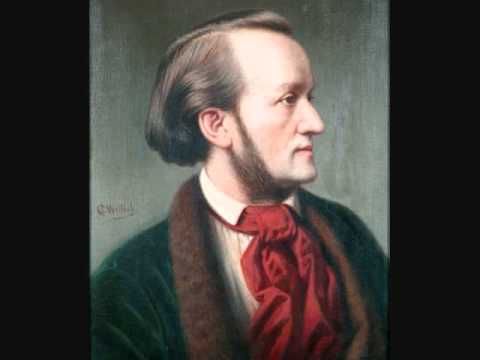
Composer Richard Wagner, emblematic of German Romanticism and best known for his sophisticated operas, reveals a different side in his piano piece Fantasy in F-sharp minor, Op.
3, WWV 22.
Composed in 1831 and only published many years later in 1905, this work offers a glimpse into Wagner’s rich musical talent in the realm of piano music.
The piece is characterized largely by a delicate, gentle tone, setting it apart from the passionate musicality typically associated with Wagner.
It’s a must-listen for piano enthusiasts and anyone interested in exploring another facet of Wagner’s artistry.
Masterpieces by Richard Wagner: Popular Classical Music (61–70)
Elsa’s Procession to the Cathedral from the opera LohengrinRichard Wagner

Wagner, famous for grand and dramatic works such as the Ride of the Valkyries.
This piece is no exception—it’s monumental—but the woodwind melody at the beginning also conveys a pure, understated beauty.
It gradually builds in intensity, and the climax is, as expected, majestic.
Opera ‘The Valkyrie’Richard Wagner

As the Romantic era entered its later phase, musical expression reached its limits, pushing Western tonal harmony—based on functional harmony since the Classical period—almost to the point of collapse, and works with extremely long performance times also appeared.
“Ride of the Valkyries,” a piece from the opera Die Walküre, is one of the most widely known works in Wagner’s music.
Wedding MarchRichard Wagner

Would Wagner’s Wedding March be a clear example when we think of organ-centered music? I think this piece evokes the image of a wedding held in a small chapel with a solemn atmosphere.
The sound of the organ really focuses the mind, doesn’t it?