


Where do you break up words like “Don Quixote” or “Sei Shōnagon” when reading them? There are words and names that seem easy but actually make you wonder about the correct way to split them.
Even among words we use casually, it turns out the break point can be different than we thought.
In this article, we present common conventions for where to divide each word in a quiz format.
We’ve gathered various words—like personal names and country names—where the division point is tricky.
Why not learn the correct way to segment words while thinking it through with family and friends?
- Where Do You Split It? A Word-Splitting Quiz That Even Elementary Schoolers Love
- [General Knowledge] Summary of Kanji Quizzes Representing Country Names
- [For Elementary School Students] Country Names in Kanji Quiz. A quick, fun quiz
- Surprisingly tricky! Check your general knowledge with a four-character idiom quiz
- How many can you read? Test your trivia skills with a brain-twisting ateji quiz!
- Abbreviation quiz: things you might not actually know? From everyday terms to youth slang
- A set of tricky common-sense quizzes that catch you off guard. A collection of trick questions with answers that make you say, “Ah, that makes sense.”
- General knowledge quiz time! From trivia to questions about Japan and the world
- [Interesting] Summary of Kanji Reading Quiz Questions
- A quiz of interesting obscure kanji: characters that look easy but are hard to read
- The world’s fewest: A collection of one-stroke kanji. Learn them in a quiz format!
- [For Elementary School Students] Brain Training with Kanji Decomposition Quiz! Guess the Complete Kanji from Its Parts
- A quiz on how to read obscure kanji: words that become difficult when written in kanji.
Where do you break it? Learn general knowledge of words with a quiz (1–10)
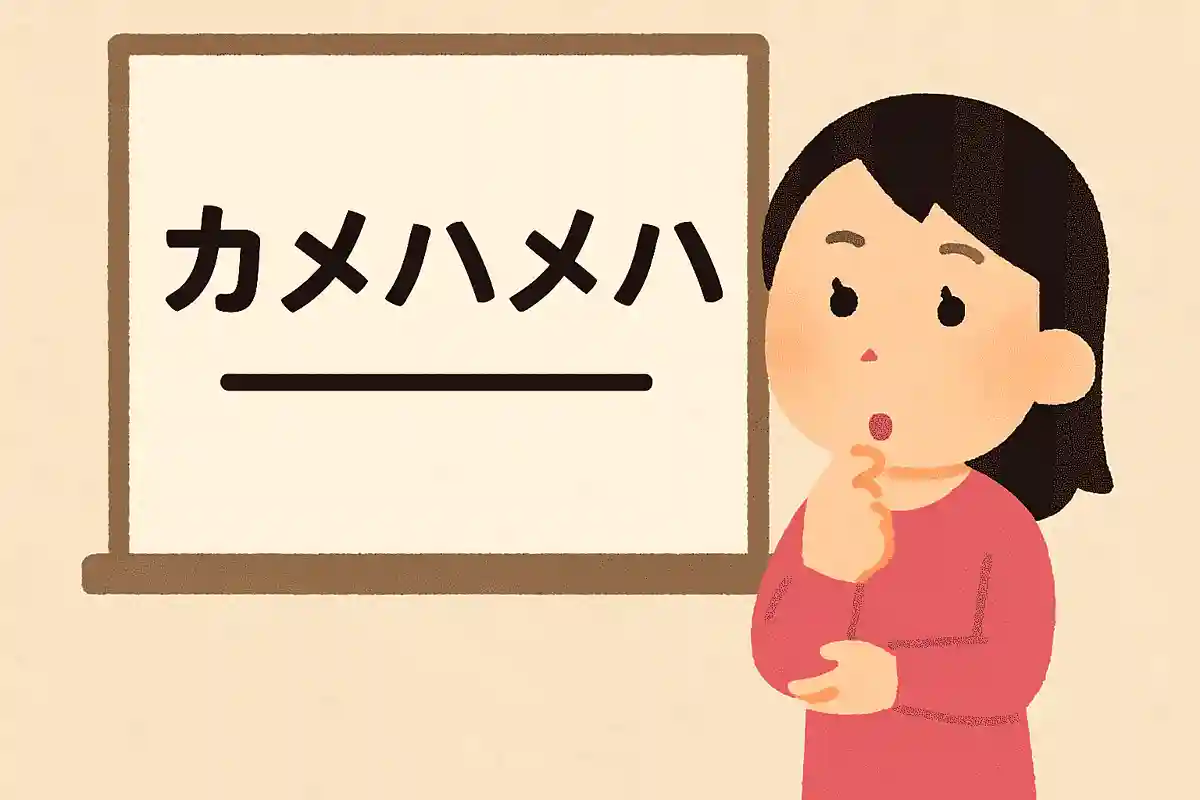
Where do you break up “Kamehameha”?
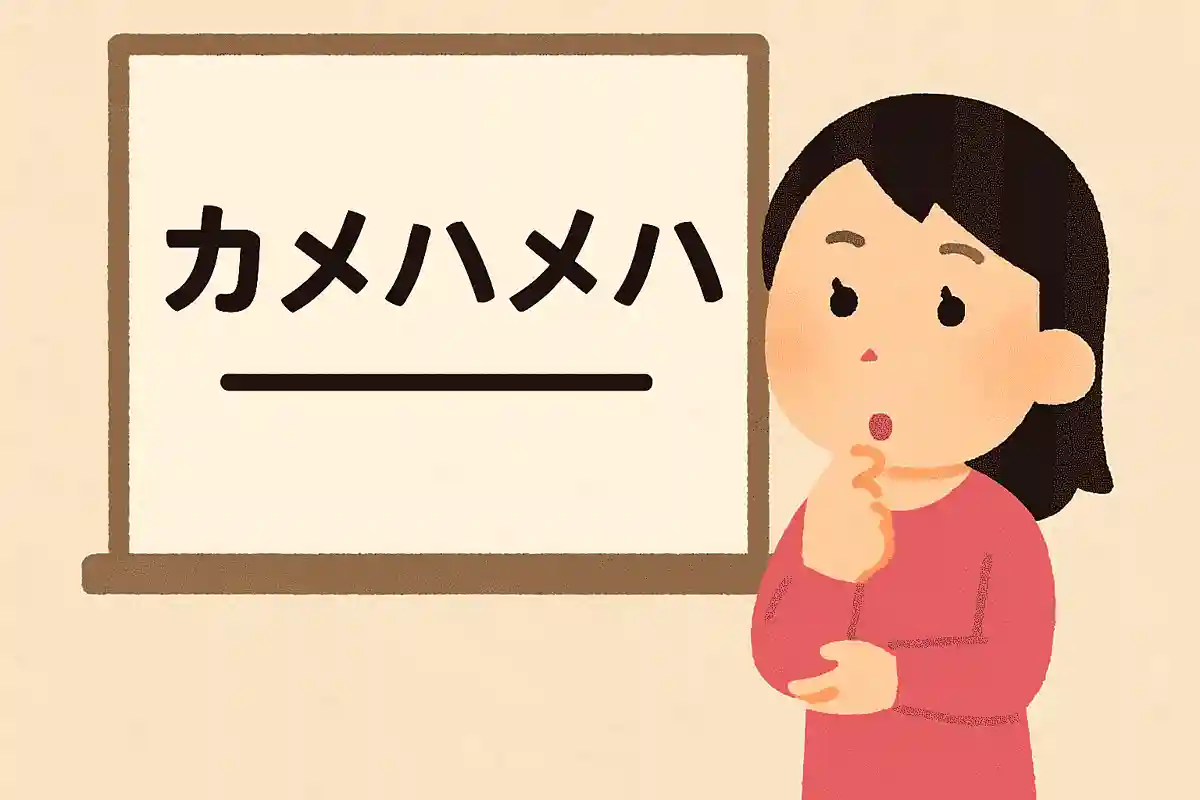
- Ka-mehameha
- Kamehame-ha
- Kamehameha
See the answer
Ka-mehameha
This Kamehameha is not the one from Dragon Ball. It refers to Kamehameha as the king of Hawaii. I’ve heard that in Hawaiian, ka mehameha means a solitary or quiet person, which evokes an image of governance that isn’t forced. It might be nice to look into his life as well.

Where do you split “Don Quijote”?
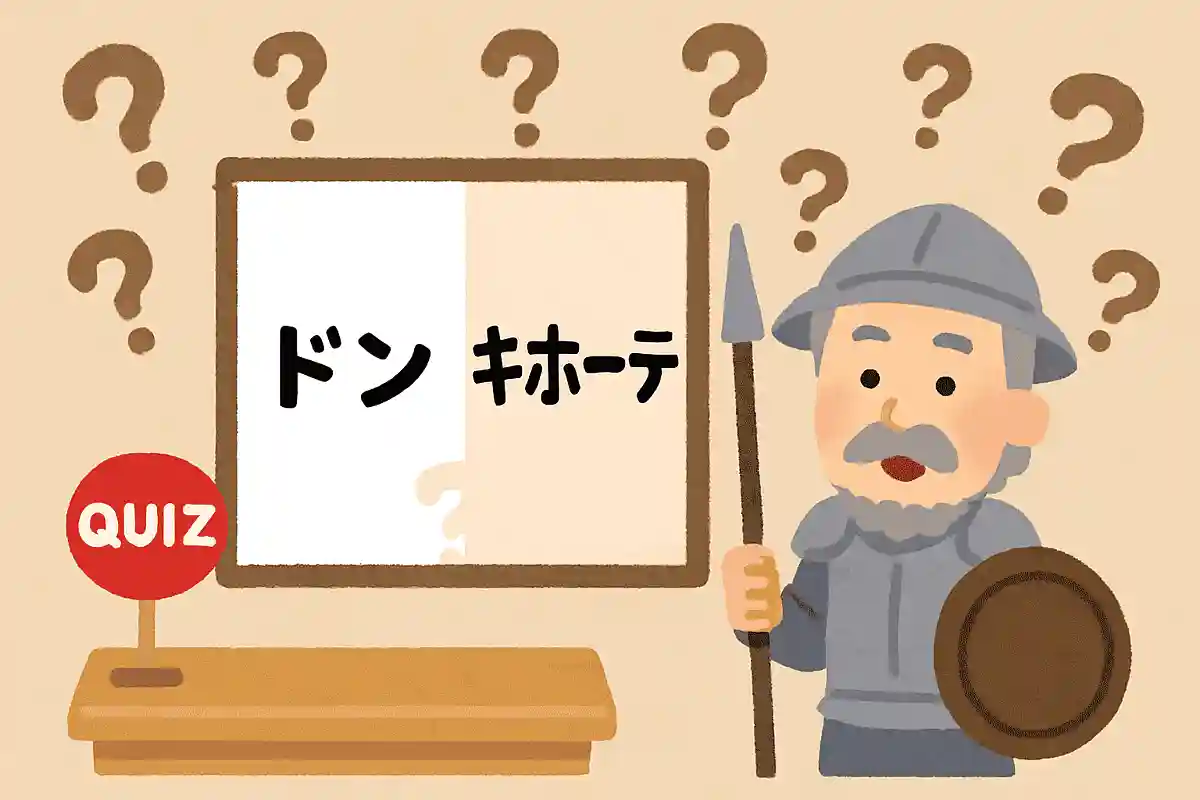
- Don Quixote
- Don Quixote
- Don Quijote
See the answer
Don Quixote
Don Quijote is one of the largest discount store chains in Japan, with locations nationwide. Many customers don’t just go for the low prices—they head there thinking they might find something interesting to buy. The name comes from the protagonist of a story set in Spain.
Where do you split “coenzyme”?
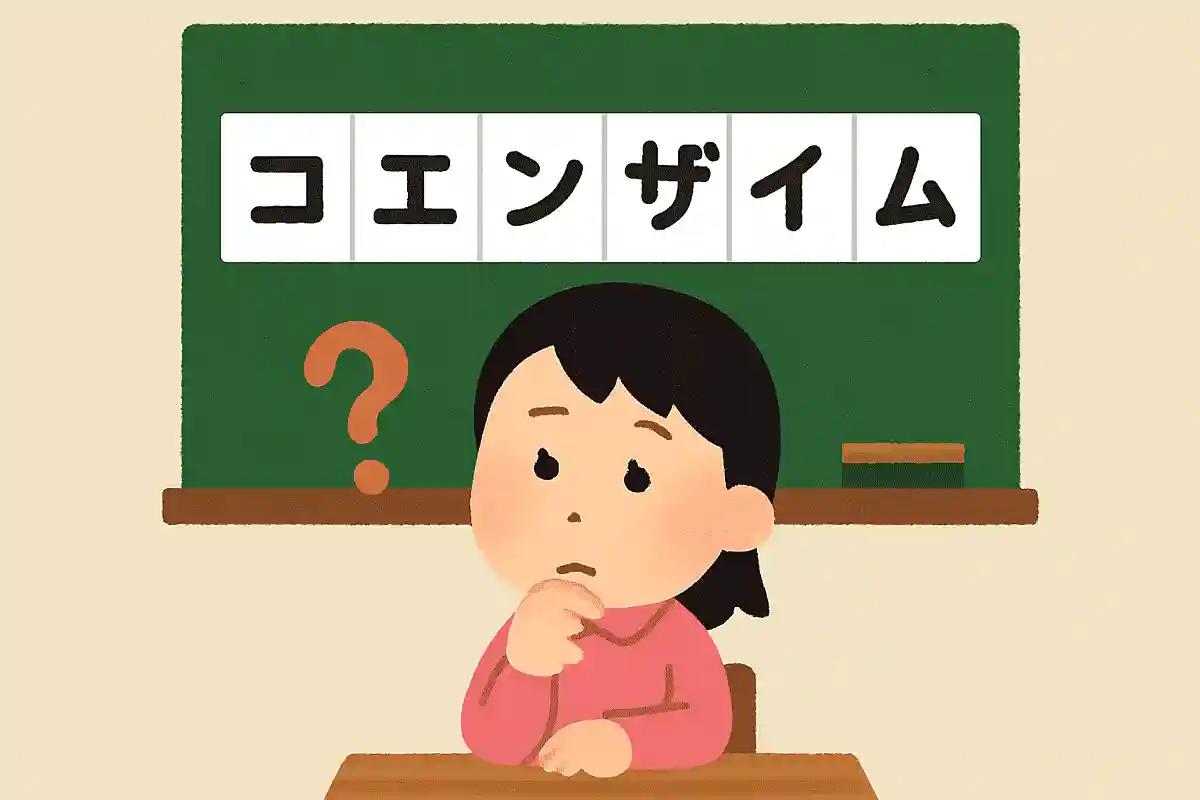
- Coenzyme
- Coen Zaim
- coenzyme
See the answer
Coenzyme
“Coenzyme” in English is “coenzyme.” The prefix “co-” means “together” or “joint,” and “enzyme” refers to “酵素” (enzyme). Therefore, it’s correct to separate it as “co-enzyme” between “co” and “enzyme.”

Where do you split “Kilimanjaro”?
- Kilimanjaro
- Kilimanjaro
- Kilimanjaro
See the answer
Kilimanjaro
Mount Kilimanjaro, a mountain higher than Mount Fuji, is located in northeastern Tanzania in Africa. For Japanese people, there are no words that start with the syllable “n,” so it would be disallowed in the word game shiritori; however, in Africa, there are words that do start with “n.” This might even be one of the roots of African beats. It was a correct answer that felt like it could overturn our common sense, wasn’t it?
Where do you break up the word “New Zealand”?
- New Zealan-d
- New Zealand
- New Zealand
See the answer
New Zealand
Since New Zealand is written as “New Zealand” in English, it’s correct to split the words there. Knowing that “New” means new and “Zealand” refers to a land by the sea—making the country name mean “a new land by the sea”—may make it easier to understand how the words are divided.
Where do you break up “Pennsylvania”?
- pencil veneer
- Pennsylvania
- Penn-sylvania
See the answer
Penn-sylvania
The place name “ペンシルベニア” is written as “Pennsylvania” in English. This word combines the personal name “Penn” with the Latin “-sylvania,” meaning “forest.” Therefore, when adding a separator in Japanese, it is common to split it as “ペン・シルベニア.”
Where do you split “三半規管”?

- semicircular canal(s)
- semicircular canals
- three; semicircular canal(s)
See the answer
three; semicircular canal(s)
It’s correct to divide the word sanhankikan into “san” and “hankikan.” Sanhankikan refers to the organ in the inner ear of humans and animals that governs the sense of balance, meaning “three semicircular canals.” It may be easier to understand if you know that hankikan refers to a tubular organ (a semicircular canal).