

A masterpiece of the pastoral. A roundup of representative works that delve into the charm of the pastoral (pastorale).

In Japanese, there is the word “bucolic,” and music that depicts calm pastoral landscapes is called pastorale, or pastoral music.
This genre, which expresses the simple lives of shepherds and harmony with nature, has been beloved since ancient Greek and Roman times.
It is characterized by graceful melodies that evoke tranquil scenes and lyrics that, while simple, contain deep lyricism.
In the Baroque era, it developed in both vocal and instrumental forms, and it has continued to captivate the hearts of many composers up to the present day.
We will introduce a number of masterpieces representative of this genre, along with their appeal and historical background.
A masterpiece of pastoral literature. A collection of definitive works that capture the charm of the pastoral (1–10)
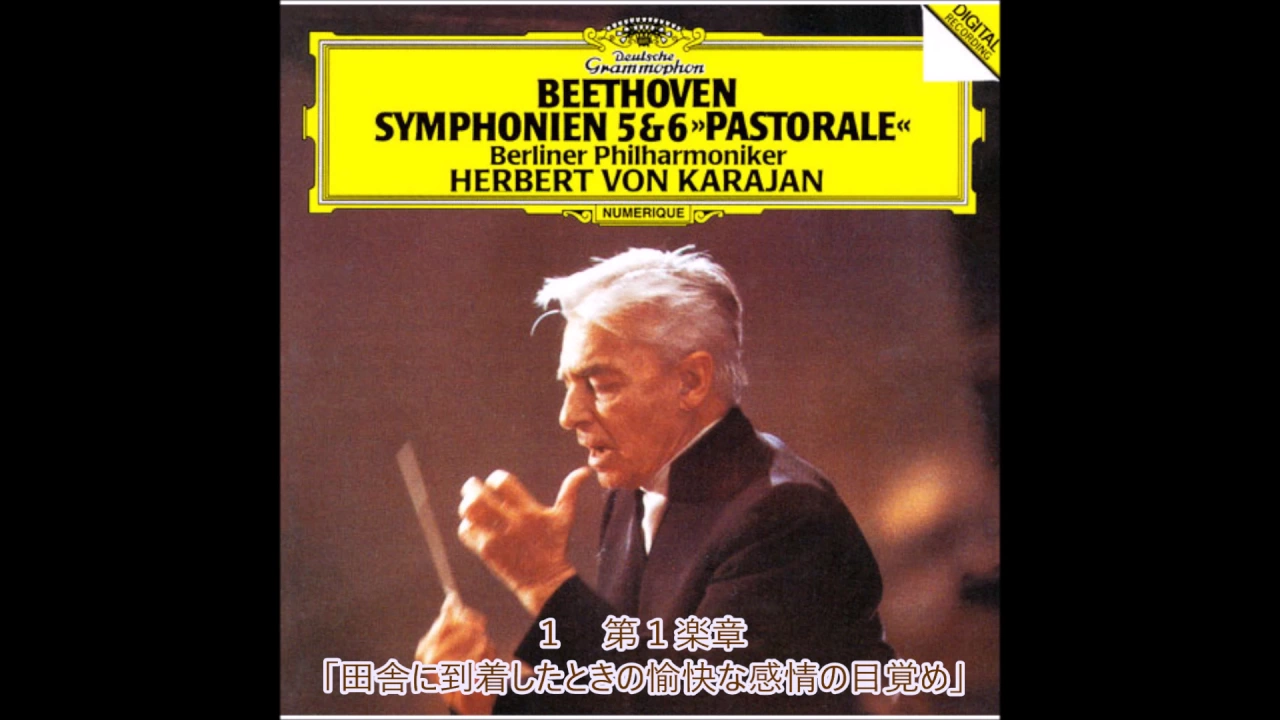
Symphony No. 6 in F major, Op. 68 “Pastoral”Ludwig van Beethoven

The five-movement symphony Beethoven completed in 1808 continues to be cherished as the supreme masterpiece of the “Pastoral.” Its appeal lies in a development that feels like experiencing the story of a single day: arrival in the countryside, the murmuring of a brook, a peasants’ dance, a violent storm, and a song of thanksgiving.
In the second movement there’s a charming touch in which the flute imitates a nightingale, the oboe a quail, and the clarinet a cuckoo.
Premiered in Vienna in December 1808 alongside the “Fate” Symphony, this work was also featured in Disney’s 1940 film Fantasia, where it colored a bucolic world drawn from Greek mythology.
It’s the perfect piece when you want to be soothed by nature or spend a peaceful time.
Messiah Pastorale Symphony “Pifa”Georg Friedrich Händel
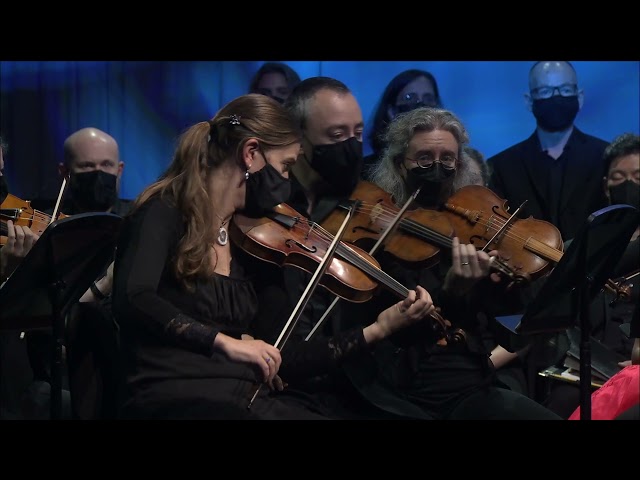
Handel, a master of Baroque music, composed the oratorio Messiah in 1741, and it was premiered in Dublin in April 1742.
The instrumental interlude placed in Part I is a brief pastoral that quietly foreshadows the announcement of the Holy Night to the shepherds.
Over a sustained bass, the strings sing a gentle melody in parallel thirds, and the relaxed swell of the 12/8 meter evokes a Siciliano-like simplicity.
Eschewing brass and percussion entirely, and relying on legato strings alone to depict the stillness of night and a distant prayer without words, the piece crystallizes Handel’s gift for dramatic architecture.
Even within the full Messiah—now a staple of Christmas concert programs—this episode stands out as a scene that conjures particularly serene imagery.
L’Arlésienne Suite No. 2, I. PastoraleGeorges Bizet

This piece opens the suite L’Arlésienne Suite No.
2, born from the treasure of 19th-century French incidental music.
Bizet’s stage score from 1872 was reworked by his close friend Guiraud into a suite, whose introductory movement premiered in Paris in March 1880.
The gentle call-and-response between alto saxophone and English horn paints a countryside veiled in morning mist, while the harp’s transparent timbre brings out the rustic simplicity of the shepherds’ scene.
In the ternary form’s middle section, a light Andantino adds a bright, dance-like lilt, and the return to the tranquil opening is masterfully crafted.
Savor the richly colored orchestration on classic recordings such as Karajan with the Berlin Philharmonic and Dutoit with the Montreal Symphony.
Concerto grosso in G minor “Christmas Concerto,” Op. 6, No. 8Arcangelo Corelli

Let me introduce a piece that cleanses the heart with the rustic strains of shepherds in a Roman winter.
Composed by Arcangelo Corelli, this work appears in his collection of concerti, Op.
6, published in Amsterdam in 1714.
The finale features a pastorale with a drone reminiscent of bagpipes, beautifully portraying both the stillness of the Nativity and a pastoral brightness.
It was also included on the soundtrack of the film Master and Commander, bringing a sense of mystical calm to the seafaring tale.
A staple of Christmas services and concerts, it’s equally recommended for moments of quiet prayer or whenever you wish to be enveloped by the transparent sonorities of early music.
Burgmüller: 25 Etudes, “Pastorale”Burgmüller
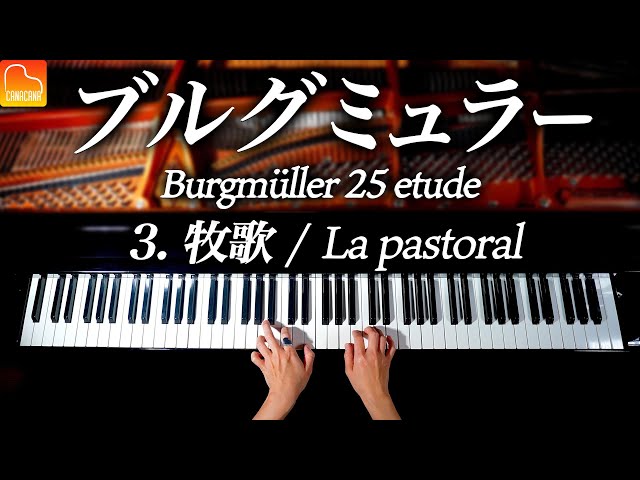
As a masterpiece among educational pieces depicting a serene pastoral scene, No.
3 from Burgmüller’s Op.
100 possesses a special charm.
Its gentle G major sonority and lilting 6/8 meter evoke a tranquil landscape with a shepherd.
The balance between the right hand’s graceful, singing melody and the left hand’s discreet chordal accompaniment is exquisite, naturally fostering legato cantabile technique and light handling of ornaments.
Published in Paris in December 1851 as part of the educational collection “25 Études faciles et progressives,” it continues to be included in grade examinations by Trinity College and Australia’s AMEB.
It is an ideal piece for learners wishing to cultivate musical expressiveness, as well as for anyone seeking solace in a beautiful melody.
Peer Gynt, Suite No. 1, Op. 46: I. MorningEdvard Hagerup Grieg

This beautiful piece, featuring a dialogue between flute and oboe that evokes the gentle light of morning, is the opening number of Edvard Grieg’s Peer Gynt Suite No.
1.
Excerpted from the incidental music written for Henrik Ibsen’s play, it was published as a suite in 1888.
Its calm 6/8 meter and the clear resonance of E major paint an unmistakably pastoral scene.
Beloved as dawn-time background music on television and in commercials, it was even used in a British instant coffee ad.
It’s the perfect piece for a leisurely weekend morning.
As an aside, it’s interesting that in the play the music accompanies an unexpected scene in which the protagonist is in distress in the desert.
Pastorale in F major, BWN 590, Movement IIIJ.S.Bach

An organ piece by the Baroque master Johann Sebastian Bach.
From a small four-part suite, this is the third movement, placed as a serene slow movement.
Its long-breathed melody sings gently like an oboe, supported by simple chords that softly accompany it—an inheritance of the Italian pastoral tradition.
A gentle undulation evoking the simple scenes of shepherds and a songful quality reminiscent of a cantata aria weave a meditative world that makes one forget the passage of time.
Composed around 1720 and first published in Leipzig in 1845, this work is a celebrated piece often performed at Christmas and memorial services.
When you wish to quiet the mind and regain deep breathing away from the bustle of daily life, the organ’s sustained resonance wraps you in a gentle embrace.