

[How many do you know?] A compilation of national anthems of the world


Have you ever felt your heart swell while listening to national anthems at World Cup or Olympic opening ceremonies? Before soccer matches, it’s hard not to be captivated by the sight of players linking arms and singing together.
There are over 200 countries and regions in the world, each with a national anthem that reflects its own history and culture.
From those known for their valiant, stirring melodies to those noted for their beautiful, memorable tunes, the variety is truly remarkable.
In this article, we’ll introduce a generous selection of the world’s most famous and popular national anthems.
See how many familiar pieces you can find!
- Famous German Folk Songs | That familiar tune in Japan was actually a German folk song?!
- [Hymns] Famous hymns and sacred songs. Recommended hymns and sacred songs.
- Russian songs used on TikTok
- Masterpieces of contemporary (art) music. Recommended popular pieces.
- [Soccer Western Music] Theme Songs and Anthems That Fired Up the World Cup
- Chanson masterpieces. Recommended popular songs.
- [2026] Modern graduation songs: Reiwa-era staples and new tracks you should know
- A cappella masterpieces: Recommended songs where beautiful harmonies shine (Western and Japanese music)
- Songs about soccer | Western music edition
- Western pop/rock cheer songs recommended for sports days and athletic festivals. Cheer songs from around the world.
- [World Music] A Guide to Folk Music: A Collection of Traditional Songs from Around the Globe
- Victory songs of Western music: world-famous classics and popular hits.
- Sports cheer songs in Western music: Recommended anthems and fight songs
Asia (1–10)
Sayaun Thunga PhulkaSakushi: Byakul Maila / Sakkyoku: Amber Gurung

This is the national anthem of Nepal, created by composer Amber Gurung, known as the father of modern Nepali music, and poet Byakul Maila.
Established in August 2007, it adopts lyrics selected from a public submission process that drew as many as 1,272 entries.
The content likens the country—where many ethnic groups and languages coexist—to a single garland made up of many flowers, conveying the beauty of diversity and harmony.
Its vocal range is designed so that even those without formal training can sing it, and its melody, which evokes a sense of nostalgia, is also appealing.
During the 2016 Rio de Janeiro Olympics, the BBC highlighted its unique musical character, bringing it into the spotlight.
You’ll often hear it at the opening ceremonies of international competitions, so listen for it while watching the expressions of the athletes.
Meniñ QazaqstanımSakushi: Jumeken Najimedenov, Nursultan Nazarbayev / Sakkyoku: Shamshi Kaldayakov

Known today as the national anthem of Kazakhstan, this work is based on a melody that had long been beloved as a popular patriotic song.
The music was composed by Shamshi Kaldayakov and the lyrics were written by Zhumeken Nazhimedenov, with the original version created in 1956.
Later, when it was officially adopted in January 2006 following partial revisions to the lyrics, the First President Nursultan Nazarbayev was also credited.
Its powerful melody, evocative of vast steppes, carries a resonance that inspires pride and unity in listeners.
You’ll often hear it not only at state ceremonies but also at international sporting award ceremonies.
It’s an energetic piece that’s perfect for moments when you want to lift your spirits or bring hearts together.
Druk tsendhensakushi: Dasho Gyaldun Thinley / sakkyoku: Aku Tongmi

The national anthem of the Kingdom of Bhutan, known as the “Land of the Thunder Dragon.” The piece is said to have been composed by Aku Tongmi, who established the country’s first military band, with lyrics contributed by Dasho Gyaldun Thinley.
It was adopted as the national anthem in 1953.
Based on the melody of a traditional Bhutanese folk song and fused with the resonance of a Western-style brass band, it leaves a striking impression of unique grandeur.
While the original lyrics were longer at the time of adoption, they were shortened to their current length in 1964, making the piece easier to perform as times changed.
Performed at national ceremonies and international sporting events, it is cherished as a symbol of unity among the people.
Why not listen to its calm yet powerful melody that evokes the Himalayas?
Asia (11–20)
March of the VolunteersSakushi: Den Kan / Sakkyoku: Jō Ji

The March of the Volunteers, the national anthem of the People’s Republic of China, was officially designated as the national anthem when the Constitution of the People’s Republic of China was amended in 2004.
Composed in 1935 as the theme song for the film Children of Troubled Times, its valiant lyrics and powerful melody captured people’s hearts and came to symbolize the nation.
Despite periods when it faced the risk of disappearing due to national circumstances and instances of lyric changes, it gradually became established as the national anthem.
It is a stirring and courageous anthem that expresses patriotism and the determination to build a strong China.

İstiklâl MarşıSakushi: Mehmet Akif Ersoy / Sakkyoku: Zeki Üngör

The Independence March, the national anthem of the Republic of Turkey, was adopted in 1921 by the Grand National Assembly in Ankara.
Because it was established as the national anthem amid the movement to liberate the homeland during the Turkish Revolution, it evokes a brave image of advancing toward independence.
Although the piece strongly conjures scenes of battle, alongside its rousing, courageous atmosphere it also conveys a deep patriotism toward the homeland and a strong will and pride as a nation.
Indonesia RayaSakushi: Wage Soepratman / Sakkyoku: Wage Soepratman
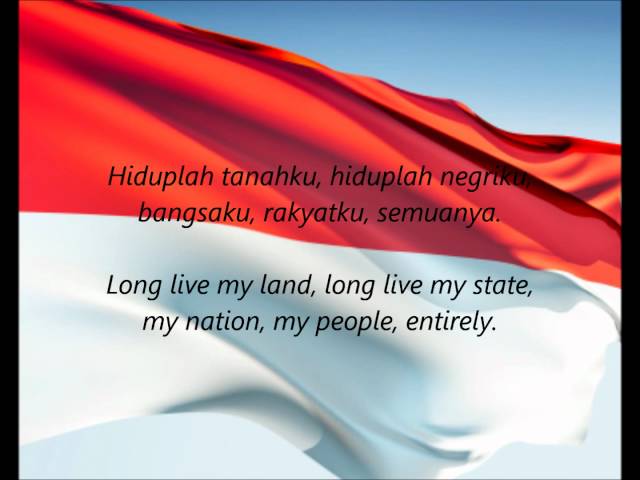
Indonesia Raya is the national anthem of Indonesia.
In Japanese, the word “Raya” in the title carries meanings such as “great,” “grand,” or “magnificent.” The anthem was composed in 1928, a time when Indonesia was still under Dutch rule, and elements of the lyrics reflect that context.
It was primarily sung as a rallying song to encourage the movement toward national independence, and it was officially adopted as Indonesia’s national anthem after independence in 1949.

Patriotic SongSakushi: Fumei / Sakkyoku: An Ekutai

The national anthem of the Republic of Korea, Aegukga, was established as the national anthem in 1948 with the founding of the South Korean government.
It is said to have begun as a song expressing patriotism to the melody of the Scottish folk tune Auld Lang Syne, which is also familiar in Japan as the original tune of Hotaru no Hikari.
The officially adopted national anthem uses the same lyrics set to the melody of the finale of composer Ahn Eak-tai’s orchestral work Korean Fantasy.
It is a national anthem that conveys strong patriotism, singing of pride in the nation while evoking the grandeur of Korea’s natural landscape.