

Children’s songs of the world: songs passed down and sung by children overseas

We’re introducing nursery rhymes and children’s songs that have been sung across countries and regions around the world!
From songs found in Japanese textbooks to tunes actually sung overseas and popular songs used in English education, we’ve gathered a selection from various perspectives.
As you’ll see in this article, there are actually many songs people in Japan think are Japanese that are originally from other countries.
If you want to know “famous foreign nursery rhymes in Japan” or you’d like to sing children’s songs in other languages, be sure to check these out and give them a try!
- [Surprising!] A children’s song that originated overseas. That familiar nursery rhyme is actually…
- A classic Mother Goose tune. A Mother Goose song that’s popular with children.
- Folk Songs of the World | Hometown Songs Passed Down Abroad
- [Children's Songs] Cute songs recommended for childcare. List of popular nursery rhymes.
- Actually scary nursery rhymes. Children's songs that give you the chills once you understand their meaning
- Collection of winter nursery rhymes, folk songs, and children's songs. Includes fun winter hand-play songs too.
- Lullabies of the World: Beloved and Popular International Songs That Soothe Children
- Nostalgic Children’s Songs, Folk Songs, and Nursery Rhymes: The Heart of Japan Passed Down Through Song
- Get pumped with kids’ favorite songs! A memorable collection of classics that will make you want to sing along
- Japanese Shoka, Children's Songs, and Nursery Rhymes | Timeless masterpieces that resonate in the heart, passed down across generations
- [Minna no Uta] Tear-jerking masterpiece. A moving song you want to hear again.
- Let's sing together! A collection of nursery rhymes everyone knows
- [Christmas Songs] Christmas songs to sing with children
World nursery rhymes: Children’s songs passed down overseas (11–20)
Head, Shoulders, Knees and Toes
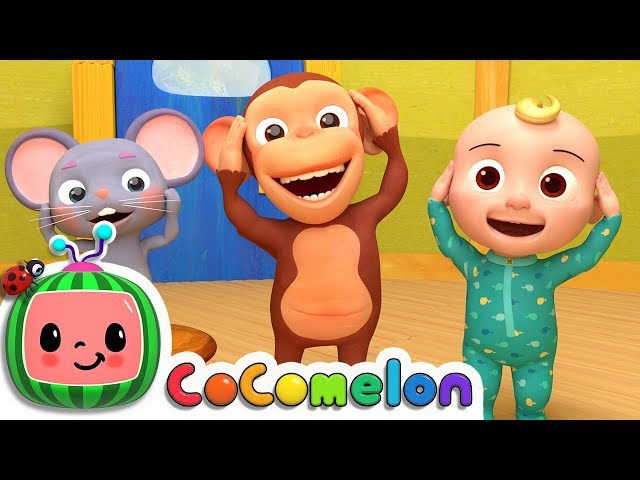
It’s important for young children to learn the parts of the body.
Here’s a handy song that helps them pick it up naturally as they sing and do hand motions.
In this song, you touch each body part—head, shoulders, knees, and toes—while singing, and it’s also used as a standard piece in eurhythmics.
It’s fun to make a game of it by changing the order of the lyrics or gradually increasing the tempo.
You could also change the lyrics to include the body parts you want to learn, which can be both helpful and engaging.

Row, Row, Row Your Boat
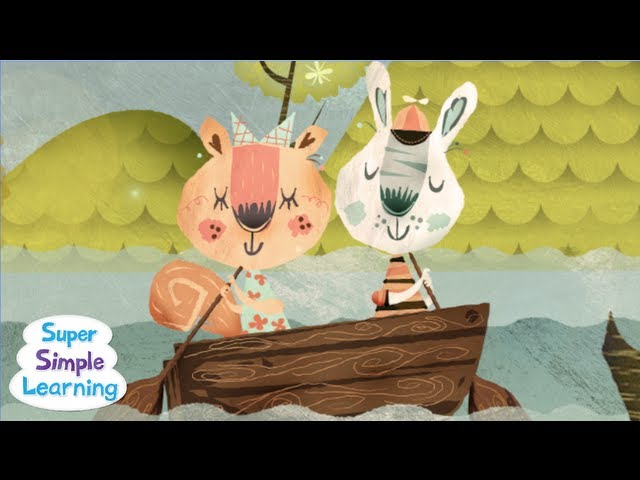
This song is said to have been composed in America in the early 19th century.
Despite its short, easy-to-remember melody, the lyrics are filled with lessons that can be hard for children to understand.
There are also versions where those didactic parts of the lyrics are rewritten for children.
Beyond simply singing it, there are many ways to enjoy this profound song: you can hold hands like in a hand game and pretend to row a boat while singing, or sing it as a round like “The Frog Song,” among other activities.
J’ai perdu le Do de ma clarinette

In Japan, it is known as a children’s song about a clarinet under the title “I Broke My Clarinet.” The original piece is said to be a march called “La chanson de l’oignon,” and in languages outside of France, where it is believed to have originated, the same melody is enjoyed with different lyrics.
Happy Birthday to You

The Japanese title is “The Birthday Song.” It’s sung almost without fail when celebrating birthdays.
This song is a parody of “Good Morning to All” by the American Hill sisters.
It has been translated into many languages and is recognized by Guinness as the most-sung song in the world.
O Vrenele

This song, said to have its roots in Swiss folk music where yodeling is popular, is apparently no longer sung much in Switzerland, and the Japanese version with Japanese lyrics has become more famous.
It seems the Japanese version was created with reference to the English version.
It’s a song that can be enjoyed not only by children but also at camps and recreational events.
Through this song, it might be good for children to imagine foreign countries they don’t know, stimulating their imagination.
My Grandfather’s Clock

The Japanese titles are “Ōkina Furu Dokei” (The Grandfather’s Clock) or “Ojīsan no Furu Dokei” (Grandfather’s Old Clock).
It is a popular song released in the United States in 1876.
At the time, the sheet music sold over one million copies, making it a huge hit.
In Japan, it was introduced before the war, in 1940, with a performance by Mimī Miyajima, a child singer and tap dancer from Yoshimoto Kogyo.
In 1962, it was broadcast on NHK’s Minna no Uta with newly adapted Japanese lyrics, and that version continues to be sung today.
Nursery Rhymes of the World: Children's Songs Passed Down Overseas (21–30)
Are you Sleeping

Isn’t this song one of the most famous rounds in the world? It’s based on a French nursery rhyme and has long been loved in English-speaking countries as well.
The lyrics depict people calling out to “John,” who is still asleep, telling him that the morning bells are ringing.
The melody is simple, but its greatest charm is the beautiful harmony that emerges when you sing it as a round.
In fact, this tune is said to have first appeared in a song collection published in Paris in 1811, making it a melody with a long history.
It has been cherished across genres—Gustav Mahler incorporated it into a symphony, and the Beatles quoted it in the chorus of “Paperback Writer.” Try layering your voices with family and friends and enjoy singing it as a round!