

Children’s songs of the world: songs passed down and sung by children overseas

We’re introducing nursery rhymes and children’s songs that have been sung across countries and regions around the world!
From songs found in Japanese textbooks to tunes actually sung overseas and popular songs used in English education, we’ve gathered a selection from various perspectives.
As you’ll see in this article, there are actually many songs people in Japan think are Japanese that are originally from other countries.
If you want to know “famous foreign nursery rhymes in Japan” or you’d like to sing children’s songs in other languages, be sure to check these out and give them a try!
- [Surprising!] A children’s song that originated overseas. That familiar nursery rhyme is actually…
- A classic Mother Goose tune. A Mother Goose song that’s popular with children.
- Folk Songs of the World | Hometown Songs Passed Down Abroad
- [Children's Songs] Cute songs recommended for childcare. List of popular nursery rhymes.
- Actually scary nursery rhymes. Children's songs that give you the chills once you understand their meaning
- Collection of winter nursery rhymes, folk songs, and children's songs. Includes fun winter hand-play songs too.
- Lullabies of the World: Beloved and Popular International Songs That Soothe Children
- Nostalgic Children’s Songs, Folk Songs, and Nursery Rhymes: The Heart of Japan Passed Down Through Song
- Get pumped with kids’ favorite songs! A memorable collection of classics that will make you want to sing along
- Japanese Shoka, Children's Songs, and Nursery Rhymes | Timeless masterpieces that resonate in the heart, passed down across generations
- [Minna no Uta] Tear-jerking masterpiece. A moving song you want to hear again.
- Let's sing together! A collection of nursery rhymes everyone knows
- [Christmas Songs] Christmas songs to sing with children
World Nursery Rhymes: Children’s Songs Passed Down Overseas (41–50)
Yankee Doodle

The Japanese title is “Arupusu Ichiman Jaku.” It’s an American folk song and a patriotic song from the Revolutionary War.
However, the exact origins of the melody and lyrics are unclear.
It was first introduced to Japan in 1853, when Perry arrived; it was played as a marching tune when his crew disembarked from the Black Ships.
If you’re happy and you know it, clap your hands

A song by Kyu Sakamoto.
It is based on a traditional American folk tune.
Released in 1964, it became a huge hit and has since been loved as a children’s song.
Outside Japan, it is sung in countries such as Spain, and there is also an English version, “If You’re Happy and You Know It.”
Jingle Bells

In 1857, Reverend James Lord Pierpont wrote and composed a song to be sung at his church’s Thanksgiving service.
It caused quite a sensation and spread throughout the United States.
Many artists covered it, and in Japan it also became popular through anime, video games, and children’s programs.
Turkey in the Straw
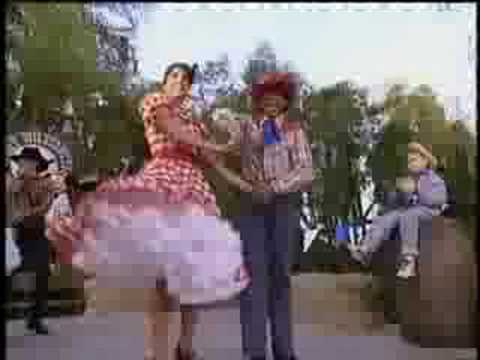
Under the name “Oklahoma Mixer,” this classic tune is used in Japan for events like sports days and folk dances.
It’s an American folk song titled “Turkey in the Straw,” featuring a cheerful country-western melody that feels pleasant.
Oranges and Lemons

Among the old English nursery rhymes known as Mother Goose, this is one of the most famous.
It has been honored by various artists—for example, it served as the title of an album released in 1989 by the English rock band XTC, and it is quoted in The Poe Clan, a representative work by shoujo manga artist Moto Hagio.
Hickory Dickory Dock

Hickory Dickory Dock is a Mother Goose rhyme about a mouse climbing up a clock, ringing the bell, and telling the time by the number of chimes.
The title itself has no particular meaning, but the lyrics feature catchy, rhyming wordplay.
In longer versions of the song, not only a mouse but also a dog, a bear, and bees appear.
It’s said that Agatha Christie’s mystery novel Hickory Dickory Dock was inspired by this Mother Goose rhyme.

Home On The Range

An American folk song.
Originating in the 1870s, it was sung and spread by settlers and cowboys.
The version familiar today is an arranged one, and in Japan it was broadcast on NHK’s “Minna no Uta” in 1966.
Its Japanese title is “Tōge no Wagaya” (Home on the Range).