

The 1970s were the golden age of Western rock! Recommended classics and hit songs

Western music of the 1970s, which began with the symbolic event that signaled the end of the 1960s—the breakup of The Beatles—saw a wide variety of genres flourish alongside traditional rock, including hard rock, progressive rock, and glam rock, with many stadium bands achieving record-breaking hits.
As a counter-movement, punk rock emerged, making it undeniable that this was a pivotal era in rock history.
In this feature, we present a lineup centered on classic, definitive numbers—masterpieces and hit songs that colored the golden age of Western rock in the ’70s.
It’s a recommended guide for young music fans who are interested in ’70s Western rock but aren’t sure where to start listening!
- [A Collection of Classics] Nostalgic 70s Western Hit Songs
- Classic and hit Western pop songs from the 1970s
- [Masterpiece Selection] A Compilation of Classic Western Rock Songs
- The Greatest American Rock Band [All Time Best]
- Great Western rock classics and hit songs of the '60s
- Love songs in Western music that were hits in the 1970s. World-famous classics and popular tracks.
- [70s Western Music] Timeless Masterpieces and Popular Songs by Female Singers
- [Classic Hits of the 70s] A Compilation of Western Songs Used in Commercials
- A collection of nostalgic hit songs and classics from the 70s
- Legendary Western rock masterpieces and hit songs of the 80s
- [1970s] Classic and hit songs of Japanese rock that blazed through the dawn era
- Recommended Western music bands for men in their 60s
- [2026] Masterpieces of Blues Rock: Recommended Albums You Should Listen to at Least Once
The 1970s: The Golden Age of Western Rock! Recommended Classics and Hit Songs (21–30)
ChangesDavid Bowie
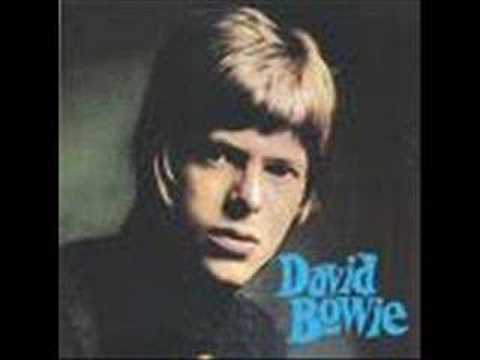
A pioneering figure of the glam rock genre, David Bowie is a singer-songwriter from England.
This song is included on Hunky Dory, his fourth album, released in 1971.
It sings about oneself and the surrounding circumstances gradually changing.
His bright, clear vocals really resonate with the heart.

MoneyPink Floyd

A song by Pink Floyd, pioneers of progressive rock.
In Japan it’s also known by the title “Madness,” and it’s included on the 1973 album The Dark Side of the Moon.
As the title suggests, it’s about money, and it’s interesting how the track includes sounds like cash registers and coins partway through.
20th Century BoyT-REX

It wouldn’t be an exaggeration to call it one of the most famous songs in the genre known as glam rock.
With its truly “glamorous,” hard-edged guitar sound, memorable riffs, pop melodies, and thick female backing vocals, it’s a quintessential 1970s killer tune that grabs listeners and won’t let go.
It’s a classic released in 1973 by T.
Rex, led by the legendary rocker Marc Bolan, who died young.
The song has maintained enduring popularity, covered by countless musicians and bands worldwide and used in commercials and film themes.
In fact, there’s a backstory: the track was recorded in 1972 at Toshiba EMI’s studio in Akasaka, Tokyo, when T.
Rex made their first visit to Japan.
Their popularity in Japan was phenomenal—strong enough to sell out the Nippon Budokan—so it’s a nice bit of history that a masterpiece etched into rock history was born in a country that so dearly loved the band.

Bad BloodNeil Sedaka

Neil Sedaka, a quintessential American singer-songwriter who made a dramatic comeback in the mid-1970s.
The track I’d recommend as a work where he embraced rock elements and broke new ground is “Bad Blood.” Its appeal lies in the sound where the groove created by pounding piano lines interlocks with his energetic vocals.
It’s also known for featuring his close friend Elton John on backing vocals.
The hook in the chorus, where their voices blend, is unforgettable after just one listen.
Released as a single in September 1975, it achieved overwhelming success, including three consecutive weeks at No.
1 on the U.S.
Billboard chart.
It’s also included on the U.S.
edition of the album The Hungry Years.
Perfect for when you want to lift your spirits or savor classic pop-rock.
Mama Weer All Crazee NowSlade

This is a song by Slade, a rock band from the West Midlands in the United Kingdom.
It’s included on their 1972 album “Slayed?”.
The upbeat sound is enough to make you feel good just by listening to it.
Take It EasyThe Eagles
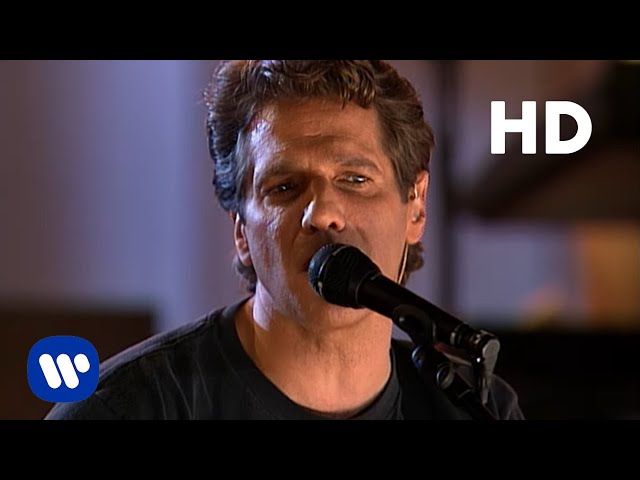
As you listen, it somehow makes you want to go on a journey—it’s a classic.
This is the debut single by the Eagles, a rock band that was active on the U.S.
West Coast.
It was released in 1972.
The melancholic guitar sound is striking.
It’s also widely known in Japan as background music for the TV show “Let’s Stay in the Countryside!”
RoundaboutYES

The bass riff is awesome! It’s included on the album “Fragile,” released in 1971 by the British progressive band YES.
The ever-engaging song structure and catchy choral work are captivating.
In Japan, it gained attention when it was used as the ending theme for the 2012 anime “JoJo’s Bizarre Adventure.”