

The 1970s were the golden age of Western rock! Recommended classics and hit songs

Western music of the 1970s, which began with the symbolic event that signaled the end of the 1960s—the breakup of The Beatles—saw a wide variety of genres flourish alongside traditional rock, including hard rock, progressive rock, and glam rock, with many stadium bands achieving record-breaking hits.
As a counter-movement, punk rock emerged, making it undeniable that this was a pivotal era in rock history.
In this feature, we present a lineup centered on classic, definitive numbers—masterpieces and hit songs that colored the golden age of Western rock in the ’70s.
It’s a recommended guide for young music fans who are interested in ’70s Western rock but aren’t sure where to start listening!
- [A Collection of Classics] Nostalgic 70s Western Hit Songs
- Classic and hit Western pop songs from the 1970s
- [Masterpiece Selection] A Compilation of Classic Western Rock Songs
- The Greatest American Rock Band [All Time Best]
- Great Western rock classics and hit songs of the '60s
- Love songs in Western music that were hits in the 1970s. World-famous classics and popular tracks.
- [70s Western Music] Timeless Masterpieces and Popular Songs by Female Singers
- [Classic Hits of the 70s] A Compilation of Western Songs Used in Commercials
- A collection of nostalgic hit songs and classics from the 70s
- Legendary Western rock masterpieces and hit songs of the 80s
- [1970s] Classic and hit songs of Japanese rock that blazed through the dawn era
- Recommended Western music bands for men in their 60s
- [2026] Masterpieces of Blues Rock: Recommended Albums You Should Listen to at Least Once
The 1970s were the golden age of Western rock! Recommended classics and hit songs (51–60)
Highway StarDeep Purple
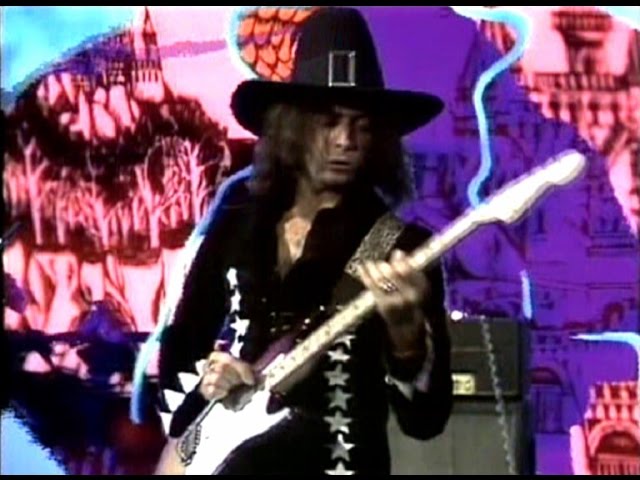
Deep Purple is a quintessential British hard rock band that, despite a breakup and numerous lineup changes, released a new album in 2024 and continues to perform as an active band.
As one of the groups that drove the hard rock boom of the 1970s, they enjoy immense popularity in Japan as well.
“Highway Star,” included on their landmark album Machine Head, stands alongside “Smoke on the Water” as a quintessential masterpiece often cited as a model study piece for guitarists.
This famous track is also referenced in JoJo’s Bizarre Adventure, where it appears in Part 4, Diamond Is Unbreakable, as Yuya Fungami’s Stand.

La GrangeZZ Top

This is a song that has continued to captivate fans around the world as a classic of blues rock.
It appears on ZZ Top’s album Tres Hombres, released in July 1973, and it reached No.
41 on the Billboard Hot 100.
Its popularity endured for decades, and in 2020 it climbed to No.
12 on the U.S.
Hot Rock & Alternative Songs chart, showing its cross-generational appeal.
The track is characterized by lyrics themed around a famous brothel in Texas and a compelling guitar riff.
While evoking the traditions of the blues, it also shines with ZZ Top’s distinctive sound.
It’s recommended for anyone who wants to fully savor the charm of ’70s rock or who loves powerful guitar-driven music.
Ain’t Talkin’ ‘Bout LoveVan Halen

“Ain’t Talkin’ ’Bout Love” appears on Van Halen’s 1978 debut album and quickly became a hit.
It’s considered a pioneer of heavy metal and is said to have helped define the style of ’80s hair metal.
The energetic guitar riff and irony-laden lyrics stand out, with an intent to criticize superficial love and emotionless relationships, challenging the notion that love is always a positive force.
The riff was ranked the fifth-greatest metal riff of all time by Guitar World readers.
It’s a must-listen for those who want to explore the complexities of love and experience the essence of ’70s rock.
Rock And Roll (Part 1 & 2)Gary Glitter

This is the debut single by UK artist Gary Glitter, whose glitter-clad outfits came to symbolize the 1970s.
Released in March 1972, it spent three consecutive weeks at No.
2 on the UK charts.
The track is structured in two parts: a vocal section that serves as an ode to rock ’n’ roll, and an instrumental section built solely on a driving rhythm and repeated shouts of “Hey.” Its sheer, unfiltered exhilaration has the power to sweep listeners into a frenzy in an instant.
It was also included on his debut album, Glitter, and many may remember its memorable use in the film Joker.
Give it a listen when you want to feel that stadium-shaking sense of unity.
The 1970s were the golden age of Western rock! Recommended masterpieces and hit songs (61–70)
Beauty QueenRoxy Music

Roxy Music, the English band that fused art and fashion and revolutionized 70s glam rock.
This piece is a gem of a song included on the celebrated album For Your Pleasure, released in March 1973 and certified Gold.
The album is also known as the last work featuring the maverick Brian Eno.
Bryan Ferry’s theatrical, resonant baritone is striking as he sings of parting from a beautiful woman with eyes like a swimming pool.
His voice conveys not only sorrow but also a romance and sincerity, as if proposing marriage, that tightens the chest.
Why not immerse yourself in the bittersweet yet beautiful story hidden behind the glittering sound?
Devil Gate DriveSuzi Quatro

You can almost picture Suzi Quatro from the United States, clad in a leather jumpsuit and hammering on her bass.
Released in February 1974, this track topped the UK charts for two consecutive weeks and became a massive hit featured on the classic album “Quatro.” It channels that distinctive thrill and rush of young people heading to a dangerous, alluring hangout, riding on a surge of high-velocity rock ’n’ roll.
Its rebellious spirit—rejecting society’s rules and celebrating freedom—seems to liberate the listener’s heart.
Also known for its use in the popular American TV show “Happy Days,” this song is a surefire way to blast through the monotony of everyday life and leave you feeling refreshed whenever you need a lift.
Rock and Roll All NiteKISS

Kiss is an American hard rock band that, even in the 2020s, remains beloved around the world for their unmistakable white face paint, flamboyant costumes and stage production, and straightforward rock numbers—imagery everyone’s seen at least once.
If there’s one signature song of theirs, it has to be “Rock and Roll All Nite.” It’s famous as a set-closer at concerts, and its endlessly accessible, brisk guitar riff and irresistibly singalong melody have a way of putting a smile on every listener’s face—a true classic touched by rock’s magic.
Incidentally, the song first appeared on their third album, Dressed to Kill, released in 1975, and it didn’t make a huge splash upon its initial release.
Taking into account that it became a hit when it was re-released later in 1975 as a single from the acclaimed live album Alive!, the story also speaks to just how highly regarded their live shows were.