

The 1970s were the golden age of Western rock! Recommended classics and hit songs

Western music of the 1970s, which began with the symbolic event that signaled the end of the 1960s—the breakup of The Beatles—saw a wide variety of genres flourish alongside traditional rock, including hard rock, progressive rock, and glam rock, with many stadium bands achieving record-breaking hits.
As a counter-movement, punk rock emerged, making it undeniable that this was a pivotal era in rock history.
In this feature, we present a lineup centered on classic, definitive numbers—masterpieces and hit songs that colored the golden age of Western rock in the ’70s.
It’s a recommended guide for young music fans who are interested in ’70s Western rock but aren’t sure where to start listening!
- [A Collection of Classics] Nostalgic 70s Western Hit Songs
- Classic and hit Western pop songs from the 1970s
- [Masterpiece Selection] A Compilation of Classic Western Rock Songs
- The Greatest American Rock Band [All Time Best]
- Great Western rock classics and hit songs of the '60s
- Love songs in Western music that were hits in the 1970s. World-famous classics and popular tracks.
- [70s Western Music] Timeless Masterpieces and Popular Songs by Female Singers
- [Classic Hits of the 70s] A Compilation of Western Songs Used in Commercials
- A collection of nostalgic hit songs and classics from the 70s
- Legendary Western rock masterpieces and hit songs of the 80s
- [1970s] Classic and hit songs of Japanese rock that blazed through the dawn era
- Recommended Western music bands for men in their 60s
- [2026] Masterpieces of Blues Rock: Recommended Albums You Should Listen to at Least Once
The 1970s: The Golden Age of Western Rock! Recommended Classics and Hit Songs (21–30)
I Want You to Want MeCheap Trick

There are many bands whose popularity first caught fire in Japan rather than in their home countries, and Cheap Trick from Illinois, USA, is a prime example.
Debuting in 1977, they first became popular in Japan as mentioned at the outset, and on their very first visit they immediately pulled off a successful show at the Nippon Budokan.
The 1978 classic Cheap Trick at Budokan, which captured that performance, was “re-imported” to the U.S., broke into the Top 10 on the charts, and led to the band joining the ranks of popular acts in their home country—a trajectory that feels very much like something unique to the golden age of Western pop in the 1970s.
Their signature song I Want You to Want Me, also known in Japan by the title Amai Wana (“Sweet Trap”), pairs a bouncy rhythm with an irresistibly catchy melody that makes your heart flutter just by listening.
It’s a classic of so-called power pop, and its fusion of loud guitars and sweet melody shines with a brilliance that will never fade.

Carry On Wayward SonKansas
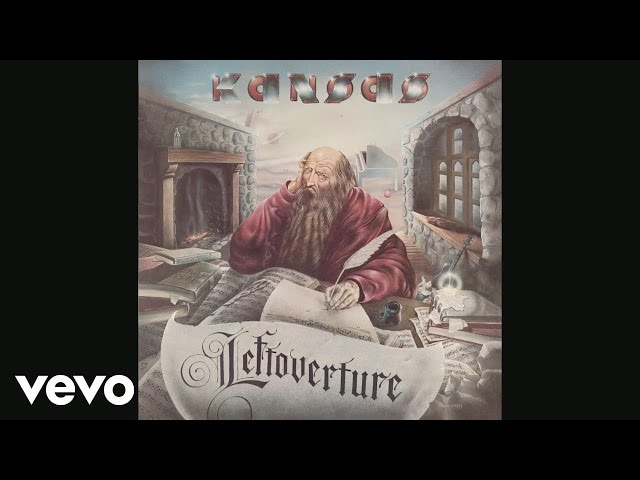
This is a song by the American progressive rock band Kansas.
It is included on their 1976 album Leftoverture.
The single-cut version was used as the theme song for the film The Pursuit of Happyness, which drew attention.
Its dramatic guitar work leaves a lasting impression.

The 1970s were the golden age of Western rock! Recommended classics and hit songs (31–40)
Love GunKISS

A sound that epitomizes hard rock.
It’s a song by the American rock band KISS.
It’s the lead track from their 1977 album Love Gun.
The intro phrase that imitates the sound of a machine gun firing is really cool.
StarlessKing Crimson

Its dramatic song structure and poetic lyrics seize the listener’s heart.
It’s a track by the English progressive band King Crimson, included on the 1974 album Red.
Listening to this song will give you a sense of King Crimson’s musical identity.
It’s an epic piece running over 12 minutes.
Because the NightPatti Smith Group

Formed around Patti Smith, known as the “Queen of Punk,” the Patti Smith Group recorded “Because the Night” on their 1978 album Easter.
The song is also well-known for covers by famous artists.
When it comes to female-fronted rock from that era, this is the one.
Do It AgainSteely Dan

This is a song by the American band Steely Dan, whose jazzy yet rock-influenced sound has won support.
It was included on their debut album, “Can’t Buy A Thrill,” released in 1972.
The pleasant sound makes you want to keep listening.
Reading the lyrics, you get the feeling you’re glimpsing an outlaw side of America from the past.
The Boys Are Back In TownTHIN LIZZY
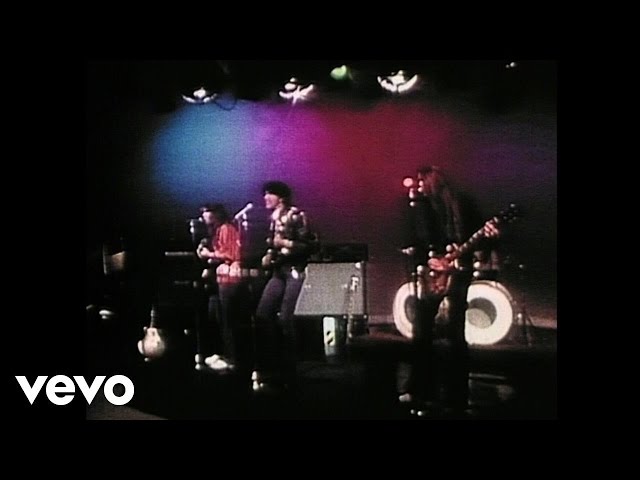
Known as the “Heroes of Ireland” and enjoying peak popularity in the 1970s, Thin Lizzy released this signature masterpiece in 1976! The Boys Are Back in Town—also known in Japan under the title “Yatsura wa Machi e”—was the lead single from their 1976 album Jailbreak, which sold two million copies worldwide and marked the band’s breakthrough in the United States.
It became a hit, reaching No.
8 on the UK charts and No.
12 in the US.
Written by Phil Lynott, the song features his dapper yet world-weary vocals tinged with melancholy, his melodically rich bass lines, an exhilarating back-and-forth of supremely tuneful guitar riffs from two Les Pauls, and dynamic, tempo-shifting drums that anchor the ensemble.
The result is a deceptively simple song with depth and enduring appeal—one of the great tracks of ’70s hard rock, beloved by countless listeners.
Packed with melodies that particularly resonate with Japanese fans, it’s a highly recommended killer tune even for those who don’t typically listen to hard rock!