

[Folk Songs of Yamagata] The Heart of Our Hometown Passed Down in Song: Feelings Woven into Nostalgic Melodies

Among the traditional songs passed down across Japan, Yamagata’s folk music possesses a uniquely moving charm.
In pieces like the Sagae Jinku and the Mogamigawa Boat Song, the daily life and culture of the region are woven into melodies filled with the pride and feelings of those who came before.
In this article, we introduce musical works Yamagata is proud of—from nursery songs sung since ancient times to folk tunes that continue to thrive today.
As you contemplate the tranquil landscapes of Yamagata, why not lend an ear to the world of its folk songs, where nostalgia and freshness coexist?
- [Yamagata Songs] Beloved local tunes and classic tracks celebrating majestic nature and hometown pride
- [Folk Songs of Yamagata] The Heart of Our Hometown Passed Down in Song: Feelings Woven into Nostalgic Melodies
- Folksongs, children's songs, and nursery rhymes of Fukushima: the heart of our hometown passed down in song
- [Folk Songs and Children's Songs of Akita] A curated selection of local masterpieces that evoke love for one’s hometown
- Niigata’s folk songs, children’s songs, and nursery rhymes: the heart of our hometown passed down in song
- Folk songs, children's songs, and nursery rhymes of Iwate: the heart of the hometown passed down through song
- Beautiful Folk Songs Passed Down in Miyagi Prefecture: A Collection of Masterpieces that Play the Heart of the Hometown
- Folk songs, children's songs, and nursery rhymes of Toyama: the enduring heart of our hometown passed down through song
- Folk songs, children’s songs, and nursery rhymes of Kumamoto: the enduring spirit of our hometown passed down through song.
- A classic song that sings of Yamanashi. The enduring heart of our hometown.
- Folk Songs, Children's Songs, and Nursery Rhymes of Aomori: Japanese Songs from Tsugaru and Hachinohe that Resonate with the Heart
- A classic song that celebrates Niigata. The enduring spirit of our hometown passed down through song.
- [Folk and Children's Songs of Hokkaido] Songs of Hokkaido that continue to be loved across generations
[Yamagata Folk Songs] The heart of our homeland passed down through song. Feelings woven into nostalgic melodies (11–20)
Yamagata Lumberjack Song
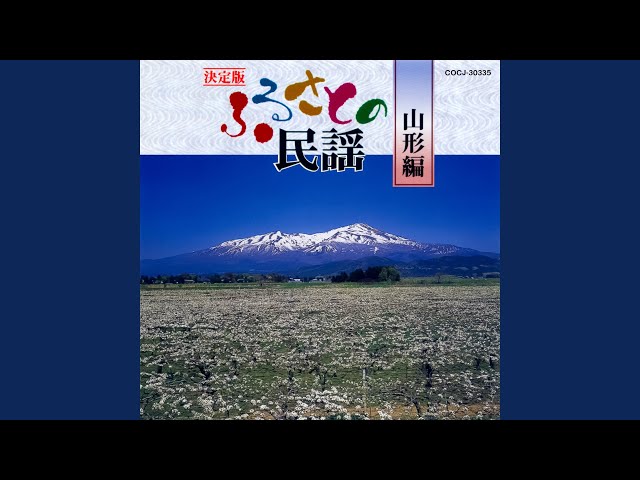
This is a Yamagata work song that extols the pride and vibrant spirit of sawyers sweating through their mountain labor.
You can almost picture the cheerful scene of reporting to the boss that they’ve harvested high-quality timber and sharing the joy with their comrades.
The song has a background of having been formed in 1931, when the Yamagata Shimbun held a public contest for lyrics and fused the winning words with a locally handed-down melody.
For those who wish to reflect on nostalgic hometown landscapes or seek a boost of energy for daily life, its simple yet powerful tune will serve as fuel for tomorrow.
Old Obako
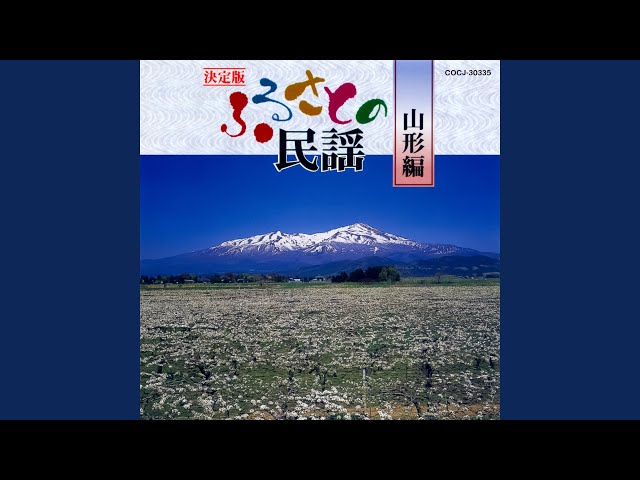
Originating in the Murayama region of Yamagata Prefecture, this is a traditional song whose gentle, tranquil melody resonates with the heart.
It is said to have already been sung from the late Edo to early Meiji period.
“Obako” refers to a young maiden, and the poignant longing for a beloved and the feeling of waiting are expressively sung to the sounds of shamisen and shakuhachi.
With touches of local dialect, the image of a girl wondering which dyer’s shop made her yukata evokes a simple, nostalgic atmosphere.
There is also an anecdote that Minyo researcher Momozan Nawano, captivated by its charm, helped spread it in the Shonai region.
It can be called the spirit of a hometown, passed down through generations in the community.
Mogami River
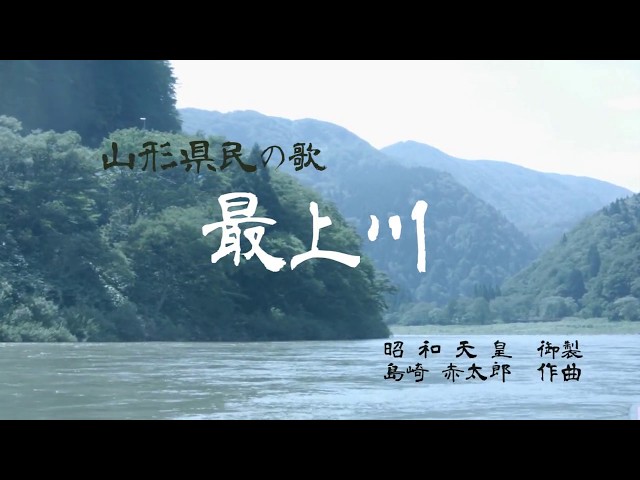
This is a solemn, moving piece that symbolizes the majestic nature of Yamagata Prefecture.
Its pure yet powerful melody was composed based on an imperial poem by Emperor Showa, inspired by the scenery of the Mogami River.
The lyrics express the river’s eternal flow, the beauty of the changing seasons, and a deep affection for one’s hometown.
Completed in 1930 and designated the prefectural anthem the following year, the song continues to be cherished and sung at official occasions.
Since its adoption, it has been performed in schools and at community ceremonies, becoming deeply rooted in the hearts of the people of Yamagata.
For those living away from home, hearing it may evoke gentle images of Yamagata’s tranquil landscapes and stir a sense of nostalgia.
Mogami River Boat Song

The Mogami River Boat Song is a boatman’s song originating in Aterazawa, Oe Town, Nishimurayama District, Yamagata Prefecture, and is one of the best-known Yamagata folk songs.
In 1936, when NHK’s Sendai station planned a program called “Going Down the Mogami River” and sought to feature a boat song, they found that no song specifically known as a Mogami River boat song existed.
Therefore, drawing on other folk songs and boatmen’s calls, Kunitoshi Watanabe wrote the lyrics and Gontaro Goto arranged the music to create the piece.
Safflower Picking Song

Benibana Tsumibushi (Safflower Picking Song) is a folk song from Yamagata City in Yamagata Prefecture, traditionally sung as a drinking song.
The former Murayama District was a production area for safflowers, used as a raw material for lipstick and dye, and the flowers were picked when their yellow blossoms turned red.
The lyrics were written in 1916 (Taisho 5), and the song became famous after being broadcast by the NHK Sendai Station in 1932 (Showa 7).
Shonai Obako

“Shonai Obako,” a folk song handed down in the Shonai region of Yamagata Prefecture.
“Obako” is a dialect word in the Tohoku region that refers to young women other than the heir daughter, such as unmarried women or younger sisters.
This song is a popular folk tune known for its amusing dialect-laced lyrics and relaxed melody.
There is also a folk song in Akita Prefecture called “Akita Obako.”
[Yamagata Folk Songs] The Heart of Our Hometown Passed Down in Song: Feelings Woven into Nostalgic Melodies (21–30)
red cherryIwase Yukiko

This is “Red Cherries,” sung by Yukiko Iwase.
The lyrics are by Yoshihiko Sawawatari, and the music is by Ryokichi Takaoka.
It’s a charming children’s song unique to Yamagata Prefecture, famous for its cherries.
The lyrics vividly depict scenes that even people unfamiliar with Yamagata can picture, such as a small child too short to reach the red cherries and the flow of the Mogami River.