

[Yamagata Songs] Beloved local tunes and classic tracks celebrating majestic nature and hometown pride

Yamagata Prefecture faces the Sea of Japan and is blessed with rich natural beauty woven by mountains and rivers through the changing seasons.
This environment has given rise to heartfelt folk songs and hometown melodies.
The masterpieces born from people who love their homeland have captured the hearts of many, not just the prefecture’s residents.
This time, we’re spotlighting songs connected to Yamagata! From folk tunes rooted in the region to soul-stirring enka and cheerful local songs that lift your spirits, we’ll introduce a wide range.
Please enjoy these songs brimming with the charms of Yamagata.
- [Folk Songs of Yamagata] The Heart of Our Hometown Passed Down in Song: Feelings Woven into Nostalgic Melodies
- A classic song that sings of Yamanashi. The enduring heart of our hometown.
- Miyagi Songs: Popular tracks that celebrate famous sights and specialties, and timeless pieces filled with love for home
- [Local Songs] Recommended tracks packed with Japan’s nationwide classics and hometown pride
- Bands, artists, and singers from Yamagata Prefecture
- [Okayama Songs] A roundup of local anthems and classic hits brimming with hometown pride!
- A classic song about Kumamoto. The enduring spirit of our hometown passed down through song.
- [Songs of Aomori] A collection of local songs depicting the grandeur of nature and the warmth of its people.
- [Akita Songs] A Collection of Gem-Like Local Tunes Filled with Love for Hometowns
- [Folk Songs and Children's Songs of Akita] A curated selection of local masterpieces that evoke love for one’s hometown
- A roundup of regional enka songs: classic hits that feature places from all across Japan in their lyrics.
- Beautiful Folk Songs Passed Down in Miyagi Prefecture: A Collection of Masterpieces that Play the Heart of the Hometown
- Recommended songs about mountains: classic and popular tracks for mountaineering and mountain songs
[Yamagata Songs] Famous and Local Tunes Celebrating Majestic Nature and Love for One’s Hometown (21–30)
Kasedori Festivalmatsuri sankasha

It’s a festival with quite a high bar for participants: they let out shrill cries of “ka-ka-ka,” don garments made of straw, and walk toward the town while having water poured over them in the severe cold of February.
But it has a clear meaning—it’s a traditional folk event of Kamiyama that prays for a good harvest and prosperous business—and it has become a seasonal hallmark of the city at this time of year.
Sakata Rice CrackersYamamoto Rinda
The song by Linda Yamamoto, produced as a TV commercial jingle, humorously introduces Yamagata Prefecture’s specialties.
Known for the catchy phrase “Komacchauna” (“I’m in a fix”), Yamamoto’s charming vocals and the upbeat rhythm make a strong impression.
Aired in the 1970s, the commercial caught the attention of many viewers as color television became widespread, helping boost the recognition of Yamagata’s local products.
Yamamoto’s distinctive voice and expressive delivery effectively convey the appeal of the goods.
This track is recommended not only for those who want to feel the charm and hometown spirit of Yamagata, but also for anyone interested in Showa-era commercial songs.
Thank you (in Yamagata dialect)ogura kei

“Oshōshina” isn’t a familiar word in standard Japanese, but in Yamagata it might be one of the most popular expressions.
Its meaning is interpreted as “thank you,” though there seems to be a slight nuance difference from how it’s used locally.
This is a song composed by Kei Ogura, who is also active as a singer-songwriter, using Yonezawa as its theme.
In each and every lyric, you can feel people’s warmth and kindness.
Hometown, I want to see you.Kudō Ayano

For those who have a hometown to return to, this song seems to evoke the scenes of their own homeland.
Centered around the Mogami River, it sings of memories fondly recalled—mountain ranges familiar since childhood, the countryside where the sun set—while also expressing the longing for a hometown that soothes the soul, even though one cannot return every year.
A Petal of Cherry BlossomMogamigawa Tsukasa

You can tell where he’s from just by his stage name.
Tsukasa Mogamigawa is being promoted as a visual-kei enka singer.
Although this song doesn’t directly mention place names in Yamagata Prefecture, Tsukasa has said that the environment where he was born and raised was incredibly beautiful when the cherry blossoms were in full bloom.
A devoted grandson, he once shared that while he was on a short trip, his grandfather passed away, and he couldn’t be there at his last moments—he said he cried his eyes out.
Using that hometown as the theme, he likens the parting of never being able to meet again to cherry blossom petals.
Both the lyrics and the music are by Tsukasa Mogamigawa himself.
There are famous spots called “Senbonzakura” (a thousand cherry trees) all over Japan; in Yamagata Prefecture, the cherry blossoms around Eboshiyama Park are well-known.
Yamagata Lumberjack Song
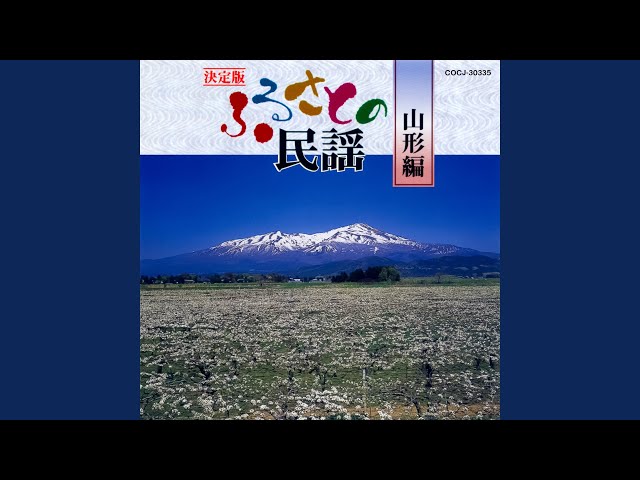
This is a Yamagata work song that extols the pride and vibrant spirit of sawyers sweating through their mountain labor.
You can almost picture the cheerful scene of reporting to the boss that they’ve harvested high-quality timber and sharing the joy with their comrades.
The song has a background of having been formed in 1931, when the Yamagata Shimbun held a public contest for lyrics and fused the winning words with a locally handed-down melody.
For those who wish to reflect on nostalgic hometown landscapes or seek a boost of energy for daily life, its simple yet powerful tune will serve as fuel for tomorrow.
Mogami River
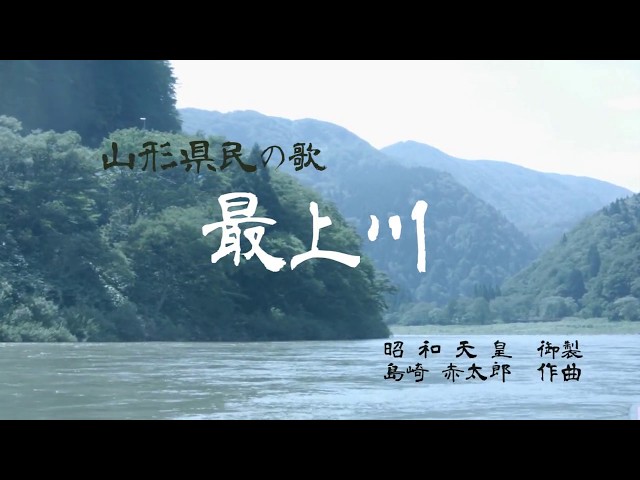
This is a solemn, moving piece that symbolizes the majestic nature of Yamagata Prefecture.
Its pure yet powerful melody was composed based on an imperial poem by Emperor Showa, inspired by the scenery of the Mogami River.
The lyrics express the river’s eternal flow, the beauty of the changing seasons, and a deep affection for one’s hometown.
Completed in 1930 and designated the prefectural anthem the following year, the song continues to be cherished and sung at official occasions.
Since its adoption, it has been performed in schools and at community ceremonies, becoming deeply rooted in the hearts of the people of Yamagata.
For those living away from home, hearing it may evoke gentle images of Yamagata’s tranquil landscapes and stir a sense of nostalgia.