

[Classic Showa Kayō Hits] The captivating Showa-era pop songs beloved even by younger generations


Nowadays, thanks to the internet, vinyl records, and other avenues, Showa-era pop songs have become popular with younger generations.
Here are some classic Showa hits that are especially loved by today’s youth!
We’re highlighting timeless songs that have been sung for decades, tracks that saw revival hits, and—city pop included—songs that are gaining fresh momentum by going viral on TikTok.
Many of these tracks are danceable, but part of the charm of Showa pop is how beautifully it lets you relax and sink into the music.
Let’s focus on that unique appeal of Showa-era pop.
- [Revisited] A roundup of popular and classic Showa-era songs that are trending now [2026]
- Showa-era nostalgic songs: Popular ranking
- [Songs from the Showa Era] Introducing classic tracks that are easy to sing at karaoke.
- Revival hits driven by social media! Classic Showa-era songs popular with Gen Z
- Heart-touching, tear-jerking masterpieces from the Showa era
- Thrilling to Cool Showa-Era Tunes! Classic Songs from Female Singers and Artists of the Showa Period
- Popular Showa-era pop. Timeless hit songs.
- When you can’t decide what to sing at karaoke: Easy-to-sing classic hits from the Showa era
- Cool songs from the Showa era. Masterpieces from Showa that shine with sensuality, passion, and rugged charm.
- Showa-era classic songs that brightened the 1990s
- Showa-era songs that went viral on TikTok / revival hit songs
- Hit songs in Japan in the late 1960s
- Showa-era kayōkyoku: hit songs by male singers, classic masterpieces of Japanese popular music.
[Masterpieces of Showa-Era Kayōkyoku] Captivating Showa pop songs loved by younger generations (61–70)
TouchIwasaki Yoshimi

Many people cherish “Touch” as an iconic anime song of the Showa era.
It was written specifically as the opening theme for the baseball anime of the same name.
Released in 1985, it became an unprecedented hit.
Set to a folk-style melody, the lyrics portray the bittersweet romance of youth.
Incidentally, the song drew renewed attention in 2021 when a parody version was featured in a McDonald’s commercial.
Be sure to compare the versions.

To my distant loverSaijō Hideki

A heartwarming medium-tempo ballad by Hideki Saijo that poignantly sings of his feelings for the lover he left behind in his hometown after moving to the city.
Released in November 1978, the song reached No.
8 on the Oricon chart.
With a powerful voice, it gently embraces the yearning for a dear one far away and the hope for the arrival of spring.
The strong will to reunite with his lover after a long winter resonates with a beautiful melody, leaving a deep impression on listeners.
This work stands as a classic that conveys the preciousness of love that remains unchanged despite distance, offering comfort to everyone living apart from their loved ones.
I’ll wait.amin

A debut single by a female duo that portrays a heartrending love.
Released in July 1982, it became a massive hit, topping the annual Oricon sales chart.
Known for its refreshing harmonies and heartwarming melody, it achieved total sales of over 1.2 million copies.
The lyrics delicately express the pain and loneliness of a woman in love, resonating with many listeners.
It was also featured in various commercials, including Toyota’s “Duet” and McDonald’s “Kissa Mac.” A moving 1980s classic recommended for anyone carrying the ache of unrequited love.
FANTASYNakahara Meiko
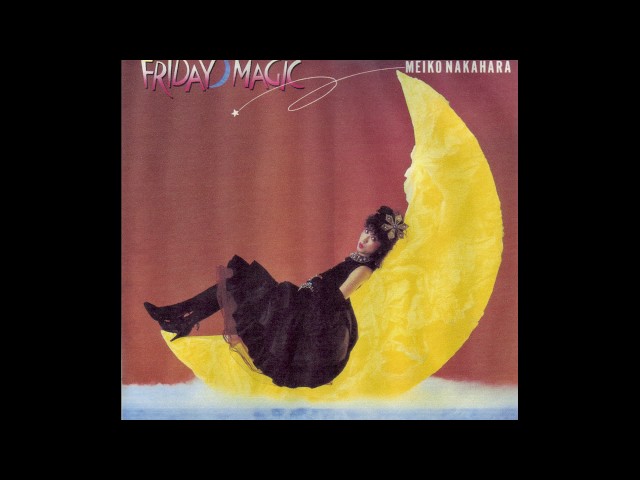
Let me introduce a positive break-up song, “FANTASY.” It’s a track sung by singer-songwriter Meiko Nakahara, included on her second album, “Cinderella Until 2 O’Clock – FRIDAY MAGIC -.” The lyrics portray a woman who, after a breakup, finds her way to a new love.
The song is dance-themed, with a relaxed, groovy sound you can move to.
It’s also a track that lends itself well to adding your own original choreography.
blue eyesJakkī Yoshikawa to Burū Komettsu

A masterpiece where a wistful melody merges with a stirring band sound.
First released during the dawn of the Group Sounds era—its English version in March 1966 and Japanese version in July—the song portrays a bittersweet romance with a woman encountered at the end of a journey through northern landscapes.
Following the English version’s sales of over 100,000 copies, the Japanese version became a massive hit, surpassing 500,000.
It earned Jackie Yoshikawa and the Blue Comets a spot in the 17th NHK Kōhaku Uta Gassen and helped ignite the GS boom.
With its polished performance and harmonies, this sonic world is a perfect pick for anyone wishing to bask in memories of first love and youth.
poppy flowerAgunesu Chan

This was Agnes Chan’s Japanese debut single, depicting the pure feelings of a girl who tells her fortune in love using poppies blooming on a hill.
Her clear, gentle voice weaves together her thoughts, worries, and loneliness for a lover who has gone off to a distant city.
Released in November 1972, the song became a major hit, reaching No.
5 on the Oricon Weekly Chart.
She also performed it at the 24th NHK Kōhaku Uta Gassen in 1973, which helped ignite her popularity.
It remains beloved by many today as a heartwarming song that evokes the arrival of spring and is perfect for reminiscing about bittersweet memories of first love.
Beyond the GoodbyeYamaguchi Momoe

A gemlike ballad by Momoe Yamaguchi that portrays parting and gratitude on a grand scale.
Though it runs over six minutes, its expansive arrangement and deeply expressive vocals blend beautifully, stirring the listener’s heart.
Released in August 1980, this work came out just before Yamaguchi’s retirement, and at her final concert at the Nippon Budokan that October, many remember her singing it through tears.
While it conveys the impermanence that nothing lasts forever, it also suggests hope for new beginnings.
It is a song that deeply resonates with those who have experienced a farewell with someone dear or who find themselves at a turning point in life.
The Flower Girl of TokyoHaruo Oka

A classic from 1946 that paints a single flower of hope blooming at a Tokyo crossroads where blue willows are budding.
Sung with the warmth of Haruo Oka’s voice, the melody gently embraced people’s hearts during the turmoil of the postwar era.
Through the figure of a young flower seller with a gentle demeanor, the image of Tokyo rising from the ashes comes into view.
The lyrics by Sasa Shio and the composition by Gento Uehara blend beautifully, creating a gem of a song in which a definite hope can be felt even amid loneliness.
This work gracefully depicts the feelings of those seeking to take a new step with the arrival of spring.
It is a moving masterpiece recommended for anyone who wishes to spend a heartwarming moment in the spring sunshine.
High School LullabyImokin Torio

As a song that vividly captures the youth of the Showa era, this Imo Kin Trio track won the hearts of many listeners.
Its lyrics, which feel like a snapshot of high school life, beautifully portray the sweet-and-sour pangs of first love and the innocence of early flirtations.
Released in August 1981, it enjoyed explosive popularity, topping the Oricon weekly chart for seven consecutive weeks.
The fresh arrangement incorporating techno sounds also resonated with the youth of the time.
Anyone who has felt the ache of unrequited love or the thrill of a budding romance will surely be moved.
It’s a song recommended not only for adults nostalgic for their teenage years, but also for young people living in the present.
Spring of the AccordionNakano Tadaharu

A signature song by Tadaharu Nakano, one of the great singers of the Showa era.
With accordion tones gently heralding the arrival of spring, this piece’s sprightly melody evokes a season filled with hope.
Included on the album “Onko Chishin: Showa no Meikashu Tadaharu Nakano,” released in July 2021, it’s a track that conveys the atmosphere of the Showa period to the present day.
It’s the kind of song that makes you want to head out for a walk in the cheerful spring weather.
We especially recommend it to those starting a new chapter in life or looking for a fresh start.