

For 4-year-olds! Introducing recommended indoor activities, group games, and crafts

At age four, children’s vocabulary grows, they start expressing their feelings and thoughts in words, and they can find their own favorite play activities and things they want to try.
This time, we’ve gathered play ideas that are perfect for the development of four-year-olds.
In addition to easy-to-implement indoor physical activities and group games, we also introduce many DIY toy-making ideas that let children freely enjoy expressing themselves while expanding their imagination.
We’ve collected many activities that, through playing with friends, help children experience the importance of following rules and the joy of sharing feelings.
Use these as a reference to find play ideas that match the children’s interests.
For 4-year-olds! Introducing recommended indoor activities, group games, and crafts (1–10)
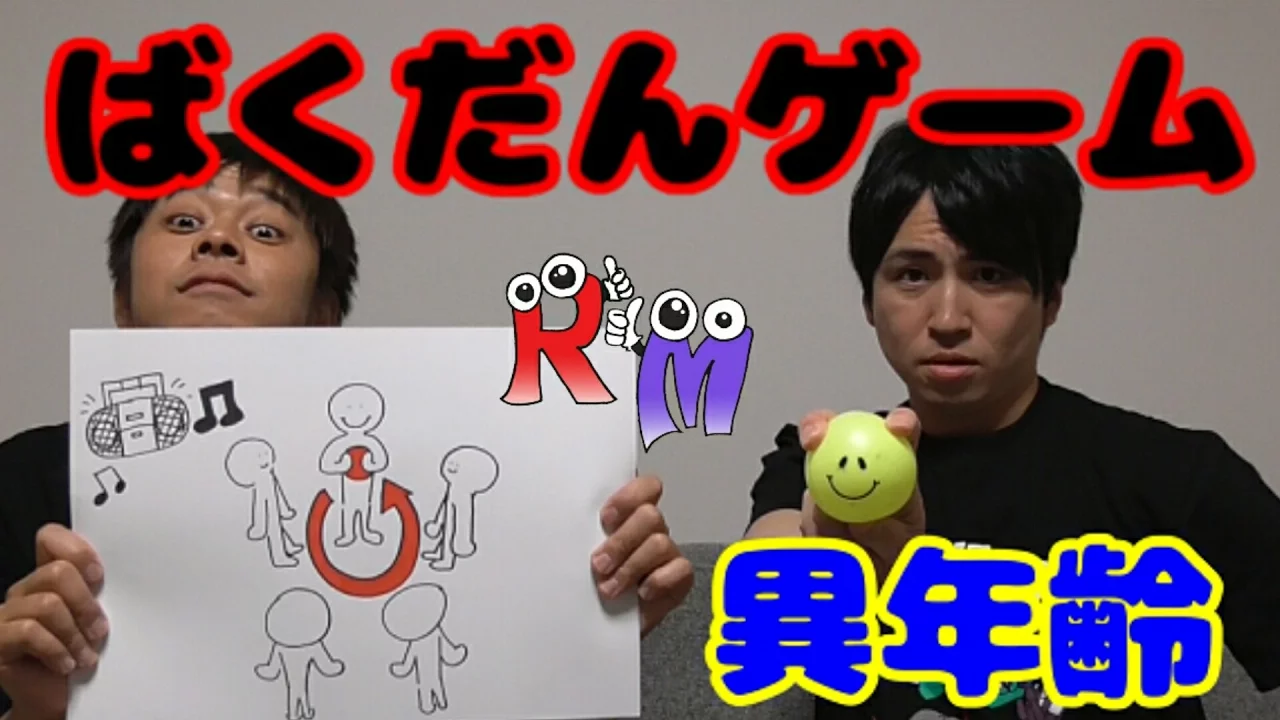
Bomb game

First, have the kids sit in a circle with their friends.
While the music is playing, pass a ball—pretending it’s a bomb—to the friend next to you.
When the music stops, the child holding the ball has the bomb explode and loses.
It’s a simple game, but it gets everyone excited.
If musical chairs is too difficult for the age group, try this game instead.

big-game hunting

This is the “Mōjū-gari” game, which is fun with its familiar calls and gestures.
First, the teacher taps their knees and sings out, “Let’s go big-game hunting,” and the children imitate and repeat it.
After repeating the set phrases, the teacher calls out the name of an item in a loud voice, like “giraffe” or “chocolate.” Then the children form groups with the same number of people as the number of syllables in the word and crouch down on the spot.
It’s also fun to increase the number of syllables and end with forming a big group!

Fruits Basket

It’s a classic group game for children, a variation of musical chairs.
The children sit on chairs arranged in a circle facing inward, with one child standing in the middle.
Each child is assigned the name of a fruit, and the child in the middle calls out a fruit name.
The children with that fruit name must stand up and move to a different chair.
The child who can’t find a seat switches places and becomes the one standing in the middle.
The excitement peaks when the caller shouts “Fruit Basket!” and everyone has to stand up at once!
Epicenter Game

It looks like everyone is moving the same way, but in fact they’re all copying one person’s movements.
The person standing in the center of the circle has to guess who the “epicenter” is.
The epicenter also changes their movements so the tagger doesn’t notice.
The more people there are, the harder the game gets, so setting a time limit might be a good idea.
It’s a game you can play with both small and large groups.

ball toss (traditional Japanese beanbag/ball-throwing game)

Ball toss (tamaire) is a game kids love! Since you can enjoy it indoors, they can move their bodies to the fullest even on rainy days.
Preparation is easy—just crumple newspaper into balls.
The motion of tossing them into the basket is perfect for developing fine motor skills.
If everyone works together to count how many balls were thrown in, it also becomes a fun way to practice numbers.
If the teacher moves the basket or changes its height, it’s sure to get even more exciting! Cleanup can be enjoyed together with the children, naturally fostering cooperation.
Add a few creative twists to spark their imagination, and have fun playing together!
Paper cup rocket you can play with indoors

Let’s make a rocket you can play with indoors using a familiar material: paper cups! Since it’s made with paper cups, you don’t have to worry about getting hurt when you launch it.
First, prepare two paper cups and cut four slits into one of them.
Next, cross two rubber bands, tie them together, and attach them to the slits on the paper cup.
Your rocket is ready! Place this ‘rocket’ over the other paper cup and release your hand to make it fly.
It’s also fun to draw freely on the paper cups with markers or decorate them with construction paper and stickers.

Musical Chairs

This is the classic children’s game, musical chairs.
Arrange chairs in a circle with one fewer chair than the number of players.
Walk around the chairs to the music.
When the music stops, sit in a chair.
Anyone who doesn’t get a chair is out.
Remove one chair at a time and keep playing until you decide the number one winner!