

Tear-jerking J-pop from the ’90s. Hit songs and real tearjerkers.


The 1990s were the era in J-pop history when CDs sold the most, and countless timeless classics were born that are still loved in the 2020s.
It was truly J-pop’s golden age, with artists and bands from a wide range of genres scoring hit after hit—an important period that greatly expanded the possibilities of Japanese music.
From among the dazzling array of brilliant 90s songs, this time we’re highlighting “tear-jerkers”: masterpieces that remain etched in both the record books and our memories.
Whether you lived through that time or you’re a younger music fan who’s recently gotten into 90s Japanese music, be sure to check them out.
- Iconic ballads of 90s J-pop: nostalgic mega-hits and fan favorites
- [Tearjerker] Songs that make your heart tremble with tears & moving tracks with lyrics that touch the soul
- Tear-jerking songs recommended for women in their 40s: classic and popular Japanese tracks
- A roundup of hit love songs from the ’90s
- Tear-jerking songs I want to sing at karaoke
- A heartbreak song that was a hit in the 90s. Classic and popular tracks in Japanese music.
- A hidden gem among tearjerker songs. Recommended popular tracks.
- A coming-of-age song that was a hit in the ’90s. A classic and popular track in Japanese music.
- [So touching it makes you cry] A heartbreakingly wistful and sad song that tightens your chest
- Classic and hit songs by nostalgic Japanese bands from the 1990s
- Tear-jerking songs recommended for women in their 50s: classic and popular Japanese hits
- The nostalgic atmosphere tugs at your heartstrings. Tear-jerker songs from the Showa era.
- Heisei-era heartbreak songs: A roundup of classic tracks from the ’90s to the 2010s
Tear-jerking J-pop from the ’90s: Hit Songs and Weep-Inducing Tracks (71–80)
Broken RadioTokunaga Hideaki

Like music flowing from a nostalgic radio, a timeless song that seeps into the heart along with memories was created by Hideaki Tokunaga in July 1990.
The track, which overlays the feelings of a boy transitioning from adolescence to adulthood with the image of a broken radio, was used as the theme song for the TBS drama “Tokai no Mori” (“Urban Forest”) and reached No.
5 on the Oricon Weekly Singles Chart.
Featuring a grand arrangement by Ichizo Seo and beautifully harmonized with Tokunaga’s delicate vocals, the song artfully blends elements of pop and ballad into a moving piece.
It was also included on the album “JUSTICE” and performed at NHK’s Kōhaku Uta Gassen in 2006 and 2009.
Conveying the transience and passion of youth, as well as a yearning for self-renewal, this work gently embraces the emotional fluctuations everyone experiences while growing up—a resonant song that speaks to the heart.
Love Story Comes SuddenlyOda Kazumasa
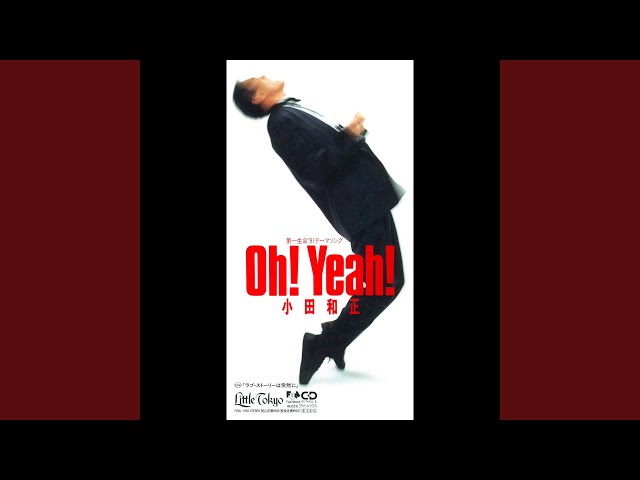
Singer-songwriter Kazumasa Oda, who rose to popularity with his high-toned voice tinged with transience and his playful character, continues to be highly active today.
“Love Story wa Totsuzen ni,” written as the theme song for the quintessential trendy drama Tokyo Love Story, was originally included as the B-side to his sixth single, “Oh! Yeah!” Its airy, urban arrangement still feels timeless even now.
It’s a pop tune whose massive success makes perfect sense—the opening guitar alone brings back iconic scenes from the drama.

Oh, Girl (The Sad Screen of My Heart)Sazan Ōrusutāzu

A gem of a ballad crafted by Southern All Stars.
It portrays, from a third-person perspective, a woman who single-mindedly continues to long for someone she can no longer meet.
The metaphor in the lyrics—that her sweet yet painful emotions are projected onto a screen—is truly superb.
This piece is included on the classic album “Southern All Stars,” released in January 1990, and was later featured on the best-of collection “Ballad 3: the album of LOVE.” Keisuke Kuwata’s wistful vocals and melody link exquisitely with the lonely, autumnal atmosphere, making it a masterpiece.
Drops of a thousand currentsKudō Shizuka

It’s a heartbreak song, but the lyrics are profoundly deep.
It can also be taken as the inner voice of a woman who fell in love with someone she shouldn’t have.
Her fleeting wish to relive those sweet moments from back then, and the strength that shows through as she resolves to face forward, never regretting what happened—both are vividly expressed.
P.S I miss youTakahashi Yoko

This is a gem of a ballad released in December 1991, marking the full-fledged solo debut of Yoko Takahashi, who would later gain immense acclaim for “A Cruel Angel’s Thesis.” It gives voice to the growing feelings for someone you long to see but cannot, and anyone who has experienced the heartache of a long-distance relationship will likely find it deeply moving.
The song was used as the image theme for the drama “Aitai Toki ni Anata wa Inai…” and later earned the Newcomer Award at the Japan Cable Radio Awards.
There’s also the memorable, unusual anecdote that the jacket photo wasn’t ready in time, so they used a picture of a wall clock instead.
On a quiet night when you can’t sleep as you think of someone dear, listening to this beautiful melody and vocal will surely offer gentle comfort to your heart.