

Recommended classical masterpieces for autumn


Introducing recommended classical masterpieces that evoke the feeling of autumn!
There are many works in classical music that take the four seasons as their theme.
This time, we’ve picked pieces ranging from those that explicitly focus on “autumn” to those that simply evoke an autumnal mood.
From darker tones to brighter ones, we’ve selected a variety of styles, so you’re sure to find a piece that matches your preferred atmosphere!
We’re also sharing episodes and fun little facts, so if you love classical music, be sure to read to the end!
- [Masterpiece Classics] A special showcase of gem-like masterpieces so beautiful they’ll move you to tears
- [Autumn Songs] Songs of autumn. Classic tracks and popular favorites you’ll want to listen to in the fall.
- A poignant classic masterpiece. Recommended classical music.
- [Violin] A curated selection of beloved classic masterpieces and popular pieces that continue to be cherished across eras
- Autumn for the Arts: Treasured Piano Pieces | Enjoy Classical Music by Listening and Playing
- Classical Masterpieces: Recommended Works You Should Hear at Least Once
- Cool classical masterpieces. Recommended classical music.
- Popular classical piano pieces. A collection of masterful performances by Japanese pianists.
- [Orchestra] Introducing famous and popular pieces
- Cello Masterpieces: A comprehensive introduction to exquisite classical works that let you savor its profound timbre
- Mendelssohn’s Masterpieces | Popular Classical Music
- Disney classics to enjoy in a classical arrangement: recommended popular songs
- Today's Classics: Recommended classical music and great performances to listen to today
Classic Masterpieces Recommended for Autumn (61–70)
Vltava (Moldau)Bedrich Smetana

This is a cycle of symphonic poems composed between 1874 and 1879 by Bedřich Smetana, a leading Czech composer who also took part in the movement for national independence.
Among the works in Má vlast (My Country), the most famous is “Vltava (The Moldau).” Even if you don’t know the piece in detail, you may have at least heard its title.
It begins in a minor key that feels calm yet buoyant; after a while, the strings layer upon one another, creating a solemn sound image that conjures green landscapes and the flow of a river.
It seems to depict the current of the Vltava River itself, and you may sense a certain pastoral nostalgia.
With its brilliant latter half in a major key and its distinct palette of colors, the piece can be called a second national anthem of the Czech Republic, imbued with Smetana’s patriotism.
It is a masterpiece that evokes the beauty of autumnal scenery and invites careful, lingering listening.

The Carnival of the AnimalsCamille Saint-Saëns

Carnival, the so-called carnevale, is originally a religious event held before Lent, but in modern times the term is used more broadly to refer to festivals and annual events that aren’t tied to that background.
Many people probably feel the end of summer and the beginning of autumn by taking part in the Asakusa Samba Carnival, held in Asakusa on the last Saturday of August every year.
A perfect classical piece to listen to at such times is The Carnival of the Animals.
It’s a suite of 14 pieces composed by the French composer Camille Saint-Saëns, originally written as chamber music.
It even includes parodies of existing classical works, which makes it great fun.
Personally, I’m reminded of Movement No.
7, Aquarium, which was used in a memorable scene in Nodame Cantabile.

Bergamasque Suite: Clair de LuneClaude Debussy

This is the third piece in Debussy’s Suite bergamasque for solo piano.
It is one of his best-known works and was composed around 1890, when he was still in his twenties.
Drawn to the poem Clair de lune in Paul Verlaine’s collection Fêtes galantes, Debussy first composed a song on the text, and eight years later wrote this solo piano piece.
Gabriel Fauré had earlier set a song titled Clair de lune from the same collection, so it’s enjoyable to compare the two.

Greeting of LoveEdward Elgar

Here is the piece that the British composer Edward Elgar gave in 1888 to commemorate his engagement to his wife, Alice.
Alice was eight years older than Elgar, and because they differed in religion and social status, her family reportedly opposed the marriage.
But to present such a lovely piece—what a dashing husband he was.
They are said to have remained close throughout their lives, supporting each other, and hearing that warms the heart.
Elgar left several versions of the score, including for solo piano, piano and violin, and small orchestra.
Rhapsody in BlueGeorge Gershwin

Composed by the American composer George Gershwin, this piece became popular for blending European classical music with American jazz.
Gershwin originally wrote it for two pianos, and Ferde Grofé later arranged it for orchestra.
It’s a memorable work that many people may recognize from scenes in American films, as well as from use in Japanese TV programs and commercials.
This could be a great opportunity to explore more of Gershwin’s music and broaden your horizons.
CarmenGeorges Bizet

The distinctive melody of the prelude, used in various settings and so catchy it makes your body sway, is surely something everyone has heard at least once.
It’s a representative opera by the French composer Georges Bizet.
Based on a novel by Prosper Mérimée, this work has long been widely loved in Japan as well, through performances by companies such as the Fujiwara Opera.
Its bright, uplifting melody paints vivid sonic images that feel wonderfully pleasant.
Because it’s often used at school sports days, it also carries an association with autumn.
The mood of barely contained excitement makes it a perfect match for the enjoyable events and festivities of the fall season.
Hallelujah Chorus from “Messiah”Georg Friedrich Händel
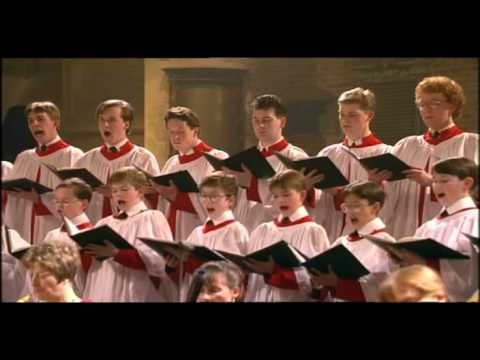
This piece was composed as an oratorio—a musical drama that tells a story through music alone—belonging to a genre Handel had newly turned his attention to.
“Messiah” comes from the English rendering of “the Savior,” and “Hallelujah” is a word of Hebrew origin meaning praise.
Although it is a sacred work that sings of the life of Jesus Christ, many people in Japan may listen to it without knowing much about its content, partly due to the language difference.
That said, the “Hallelujah Chorus” has a catchy melody that everyone knows—and can sing.