

Recommended classical masterpieces for autumn


Introducing recommended classical masterpieces that evoke the feeling of autumn!
There are many works in classical music that take the four seasons as their theme.
This time, we’ve picked pieces ranging from those that explicitly focus on “autumn” to those that simply evoke an autumnal mood.
From darker tones to brighter ones, we’ve selected a variety of styles, so you’re sure to find a piece that matches your preferred atmosphere!
We’re also sharing episodes and fun little facts, so if you love classical music, be sure to read to the end!
- [Masterpiece Classics] A special showcase of gem-like masterpieces so beautiful they’ll move you to tears
- [Autumn Songs] Songs of autumn. Classic tracks and popular favorites you’ll want to listen to in the fall.
- A poignant classic masterpiece. Recommended classical music.
- [Violin] A curated selection of beloved classic masterpieces and popular pieces that continue to be cherished across eras
- Autumn for the Arts: Treasured Piano Pieces | Enjoy Classical Music by Listening and Playing
- Classical Masterpieces: Recommended Works You Should Hear at Least Once
- Cool classical masterpieces. Recommended classical music.
- Popular classical piano pieces. A collection of masterful performances by Japanese pianists.
- [Orchestra] Introducing famous and popular pieces
- Cello Masterpieces: A comprehensive introduction to exquisite classical works that let you savor its profound timbre
- Mendelssohn’s Masterpieces | Popular Classical Music
- Disney classics to enjoy in a classical arrangement: recommended popular songs
- Today's Classics: Recommended classical music and great performances to listen to today
Classic masterpieces recommended for autumn (11–20)
September from Four Last SongsRichard Strauss

Richard Strauss, a German composer said to represent the late Romantic era, left many masterpieces in the realms of tone poems and opera.
Film enthusiasts may know his name from the famous opening of Also sprach Zarathustra, which was used in 2001: A Space Odyssey.
In the postwar year of 1948, he composed a song cycle titled Four Last Songs.
From it, I would like to introduce September, the second song, set to a poem by Hermann Hesse.
With lyrics that richly depict the end of summer and the arrival of autumn, and a beautifully lyrical melody, it is truly a perfect piece to listen to in the fall.

Autumn from “Folk Songs of the Four Seasons”Ralph Vaughan Williams

Ralph Vaughan Williams, a British composer active in the early 20th century, is regarded as a pivotal figure who helped revive British music in the first half of the century.
He published works across a variety of genres in a distinctive style he forged through studies of his homeland’s folk songs and of Tudor church music in medieval England.
The work introduced here, Folk Songs of the Four Seasons, was composed in 1950 for women’s chorus and orchestra on a commission from the National Federation of Women’s Institutes.
As its title suggests, it is also an important piece for understanding his deep affection for folk music.
Folk songs vividly express each nation’s character, its culture, and the scenery of the seasons, so by all means, listen to this piece and experience an English autumn!
Suite bergamasque, No. 3: Clair de LuneClaude Debussy

Among Claude Debussy’s works, the most famous is Clair de Lune.
It is a dreamlike and beautiful piece that conjures up the image of a moon faintly floating in the quiet night sky and the mysterious space bathed in its light.
Although it is one of the pieces in the piano suite Suite bergamasque, it is often performed on its own, and many adults take up piano inspired by this piece.
While it is not particularly difficult from a technical standpoint, expressing the world of the music is extremely challenging.
Looking at photos of moonlit landscapes to expand your concrete imagery as you play is also recommended!

Kinderszenen, Op. 15, No. 7: “Träumerei”Robert Schumann

Robert Schumann’s “Träumerei” is a dreamlike, exquisitely lyrical piece that makes you swoon.
It is the seventh piece in Scenes from Childhood, Op.
15, a collection written for adults that evokes the spirit of childhood.
The most famous number in the set, it is performed not only on piano but also on violin, cello, flute, and many other instruments, captivating listeners well beyond classical music fans.
You can savor it by listening closely, or play it on the piano and immerse yourself in the beauty of its melody and harmony.
Settle in and enjoy it at leisure on a quiet autumn night.
“The Four Seasons” — 12 Characteristic Pieces, Op. 37bis: October, “Autumn Song”Pyotr Tchaikovsky

The Seasons is a collection of twelve piano pieces depicting Russian scenes.
The tenth piece, October: Autumn Song, composed as the work for October, is a melancholy piece filled with wistful sadness.
The Seasons was created by Pyotr Tchaikovsky for a serialized feature in a music magazine, each piece paired with a poem by a Russian poet evocative of that month.
Autumn Song is accompanied by a poem that portrays a sorrowful scene of colored leaves fluttering down on the wind.
It conveys a poignant sense of “autumn” that differs from Japan’s vividly colored fall foliage.
Autumn GardenEinojuhani Rautavaara

When people hear “classical music,” they tend to picture works up to around the 19th century, but of course many masterpieces by outstanding composers have emerged in contemporary music from the 20th century onward.
The composer introduced here, Einojuhani Rautavaara, is highly regarded as one of Finland’s leading contemporary composers, and until his death in 2016 he produced a vast body of work, making him a towering figure.
Among his pieces, Autumn Gardens, composed in 1999, is said to be one of his most frequently performed works.
It is a dramatic and elegant orchestral composition in three movements, perfectly suited to listening on a long autumn night.
According to Rautavaara himself, he likened his compositional process to gardening—an organic entity that grows freely like an English garden—so listening with that background in mind may reveal new discoveries in the piece.
Classic masterpieces recommended for autumn (21–30)
La CampanellaFranz Liszt
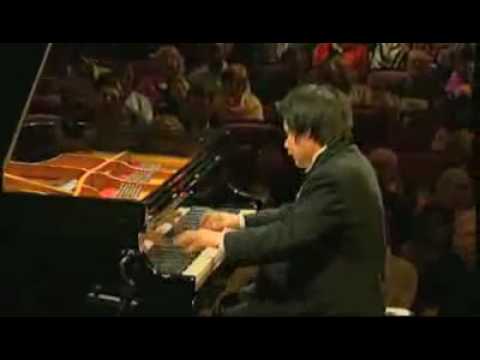
Franz Liszt is a musician who represents Hungary, known not only as a pianist and composer but also as an educator and critic.
Speaking of Liszt, he is renowned for his astounding virtuosity as a pianist, and I’d like to introduce La Campanella, a work where you can savor his exceptional technique.
It is an arrangement of the theme from the Rondo “La Campanella,” the third movement of Italian violinist Niccolò Paganini’s Violin Concerto No.
2; the most famous version is No.
3 from Liszt’s Grandes Études de Paganini.
Its brilliant melodies are perfectly suited to the artistic spirit of autumn, and it’s fascinating to explore the many celebrated performances by great pianists around the world who have taken on this masterpiece.