

Recommended classical masterpieces for autumn


Introducing recommended classical masterpieces that evoke the feeling of autumn!
There are many works in classical music that take the four seasons as their theme.
This time, we’ve picked pieces ranging from those that explicitly focus on “autumn” to those that simply evoke an autumnal mood.
From darker tones to brighter ones, we’ve selected a variety of styles, so you’re sure to find a piece that matches your preferred atmosphere!
We’re also sharing episodes and fun little facts, so if you love classical music, be sure to read to the end!
- [Masterpiece Classics] A special showcase of gem-like masterpieces so beautiful they’ll move you to tears
- [Autumn Songs] Songs of autumn. Classic tracks and popular favorites you’ll want to listen to in the fall.
- A poignant classic masterpiece. Recommended classical music.
- [Violin] A curated selection of beloved classic masterpieces and popular pieces that continue to be cherished across eras
- Autumn for the Arts: Treasured Piano Pieces | Enjoy Classical Music by Listening and Playing
- Classical Masterpieces: Recommended Works You Should Hear at Least Once
- Cool classical masterpieces. Recommended classical music.
- Popular classical piano pieces. A collection of masterful performances by Japanese pianists.
- [Orchestra] Introducing famous and popular pieces
- Cello Masterpieces: A comprehensive introduction to exquisite classical works that let you savor its profound timbre
- Mendelssohn’s Masterpieces | Popular Classical Music
- Disney classics to enjoy in a classical arrangement: recommended popular songs
- Today's Classics: Recommended classical music and great performances to listen to today
Classic Masterpieces Recommended for Autumn (71–80)
The Fall of the LeafImogen Holst

The works of the British composer Imogen Holst possess a unique charm where tradition and modernity blend.
Influenced by her father, Gustav Holst, she nonetheless forged an individual musical voice.
Written in 1963 for a close friend who was a cellist, this piece delicately depicts an autumn scene with falling leaves.
Consisting of three short studies based on a 16th-century melody, it is characterized by a structure in which quiet melancholy intersects with a lively middle section.
Combining cello virtuosity with artistic expression, this work is recommended for those who wish to contemplate autumnal landscapes or discover a new facet of English music.
CanonJohann Pachelbel

Composed by the German Baroque-era composer Johann Pachelbel, this piece is affectionately known as “Pachelbel’s Canon.” Reappraised in the 1900s, it is now frequently heard at weddings and even appears in instrumental sections of Tatsuro Yamashita’s songs, so you may encounter it quite often.
Moreover, many modern songs have been created using this piece’s chord progression, making it one of those works that continue to live on in contemporary music.

Symphony No. 5, First Movement “Fate”Ludwig van Beethoven
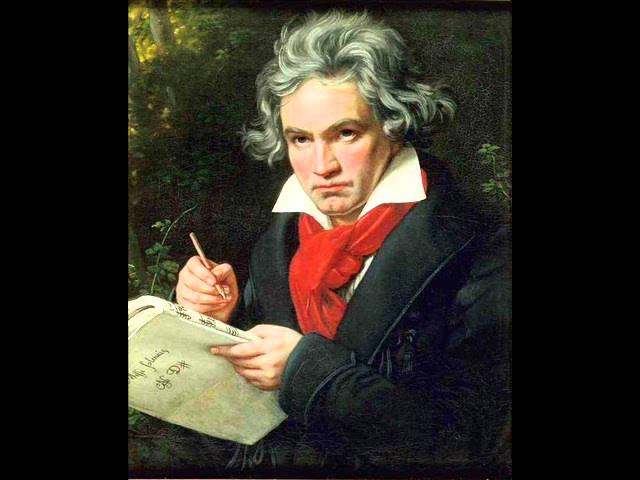
This piece is Beethoven’s Fifth Symphony, affectionately known in Japan as “Fate.” Listening as you follow the ingenious structure—from the striking opening, through the depths of darkness, step by step into a brighter world—is truly thrilling.
It feels almost like riding a roller coaster.
Even within the first movement there’s a shift from darkness to light, and across movements I through IV the music grows progressively brighter, so I recommend listening to all the movements straight through.
Symphony No. 6 “Pastoral”Ludwig van Beethoven

Known as the “Pastoral,” Symphony No.
6 is one of Beethoven’s most celebrated works, rivaling the fame of Symphony No.
5, the “Fate.” It is also a very rare example of a piece to which Beethoven himself gave programmatic titles.
Characterized by a gentle, expansive development that seems to convey the calm atmosphere of abundant nature, it offers a different side of Beethoven in contrast to the impassioned “Fate.” The composer himself stated that it is not a depiction of rural scenery, but rather an expression of the joyful feelings of people in the countryside.
In any case, let us immerse ourselves in the world of the “Pastoral” and savor the bountiful autumn.

In conclusion
From timeless classics that almost everyone has heard at least once to postwar works that even many non-enthusiasts might not know, we’ve curated classical masterpieces perfect for autumn listening. Spend a luxurious moment losing track of time on a long autumn night, immersing yourself in classical music—let this playlist be your companion.