

Introduction! A collection of recommended masterpieces and standard numbers for jazz beginners

We often hear people say things like, “Jazz feels a bit intimidating…” or “I don’t know where to start.” But did you know there are countless masterpieces you’ve probably heard at least once? The standard numbers you hear in movies, cafés, and TV commercials are perfect for getting into jazz.
In this article, we’ll introduce the charm of jazz through approachable songs that anyone can enjoy.
By the end, you’ll surely be captivated by jazz!
- [Beginner] Start with this song! A collection of practice tunes for jazz beginners
- Ranking of Popular Jazz Songs
- Classic swing jazz tunes. Recommended popular songs.
- Great for karaoke too! Jazz classics you’ll want to sing at least once
- [Jazz Intro] Classic Jazz Tracks Recommended for First-Time Listeners
- [Saxophone] Recommended practice songs for saxophone beginners: Famous tunes you’ll want to try playing
- Today's Jazz: Tunes for today! A selection of timeless classics and contemporary jazz
- A roundup of famous jazz standards featured in the hugely popular jazz manga BLUE GIANT
- [2026] Jazz piano masterpieces: from standards to recent favorites
- [2026] Introducing recommended jazz medley videos!
- Jazz commercial songs. Popular commercial songs.
- [2026] Discover Today's Jazz! A Roundup of the Latest Spotlight and Popular Tracks
- [Autumn Jazz] Classic and Popular Jazz Songs to Enjoy in the Fall
Introduction! A roundup of recommended masterpieces and jazz standards for beginners (11–20)
DjangoThe Modern Jazz Quartet

This is a signature work by the Modern Jazz Quartet, known as a memorial piece dedicated to the brilliant guitarist Django Reinhardt, who died young.
Beginning with a quiet, wistful melody, the piece captivates with a structure in which each instrument’s solo unfolds dramatically.
It feels as if you’re listening to a short story.
After being included on the 1955 album The Modern Jazz Quartet, Vol.
2, it became the title track of the classic album Django the following year.
It’s also known for being praised by Miles Davis as “one of the greatest works ever.” Perfect for nights when you want to immerse yourself in music, and with a touch of classical elegance, it’s equally recommended for times when you want to spend an intellectually refined moment.
Infant EyesWayne Shorter

A fantastical ballad that remains beloved by many as one of Wayne Shorter’s signature works.
Dedicated to his beloved daughter, the piece centers on a theme of deep, warm affection, as if gazing into her pure eyes.
Why not listen to its mysterious, beautiful melody while picturing a fog-wreathed landscape and the flowers blooming within it? This track appears on the classic album Speak No Evil, released in June 1966.
Although it had no commercial tie-ins, the fact that it has been covered by many musicians in later years speaks to its timeless appeal.
It is a masterpiece perfectly suited for moments when you want to immerse yourself in the lyrical world of jazz or savor music on a quiet night.
One O’Clock JumpCount Basie and his Orchestra

This piece, famously known as the theme of the Count Basie Orchestra, is a quintessential symbol of swing jazz.
It originally grew out of a riff born during a late-night rehearsal, and there’s a well-known anecdote that the current title came about thanks to a radio broadcast.
Starting with Count Basie’s suave piano and unfolding into passionate improvisations by each soloist, the arrangement instantly raises the excitement for both performers and audience alike.
Although it’s an instrumental, a later version with lyrics also exists, conveying the joy and exhilaration of jazz in a direct way.
It’s the perfect track for when you want to soak up jazz’s boundlessly bright energy.
So WhatMiles Davis

A signature track by the trumpeter and composer Miles Davis.
Many even call him the “King of Jazz,” and his music is cherished around the world.
Within the quiet flow of this piece, his unique sensibility shines—be sure to listen closely to his trumpet playing.
It’s a classic jazz number that lets you feel a mature “mood” that children might not yet appreciate.

MistySarah Vaughan
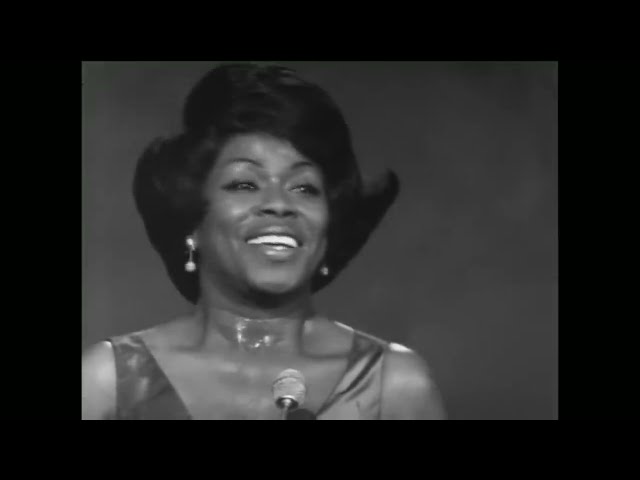
A romantic jazz ballad that likens the elusive blend of happiness and anxiety you feel when you fall in love to a “mist,” sung with tender nuance.
Sarah Vaughan’s rich, resonant voice beautifully conveys the protagonist’s delicate emotions, who becomes as helpless as a kitten up a tree.
Originally composed as an instrumental piece in 1954, Sarah Vaughan’s version was recorded in 1958.
It is also known for being used as the title of the 1971 film “Play Misty for Me.” It’s perfect for quietly immersing yourself in music on a calm night alone.
Its beautiful melody, which lets you savor the sweetness and ache of love at the same time, will make moments spent thinking of someone special all the more meaningful.
My Funny ValentineChet Baker

The gemlike ballad by Chet Baker—affectionately known as the “Prince of Cool”—is an extraordinarily famous work and a true jazz classic.
Its lyrics portray a paradoxical kind of love that cherishes everything about a slightly unusual lover—their looks and quirks alike—and this worldview harmonizes beautifully with his wistful, delicate singing voice.
The piece appears on his landmark 1954 album “Chet Baker Sings,” the first to fully capture his vocals.
It was later featured on the soundtrack of the film “Sharky’s Machine.” This is a deeply affecting performance, perfect for a quiet night when you want to immerse yourself in music alone.
Introduction! A roundup of recommended masterpieces and standard numbers for jazz beginners (21–30)
Goodbye Pork Pye HatCharles Mingus
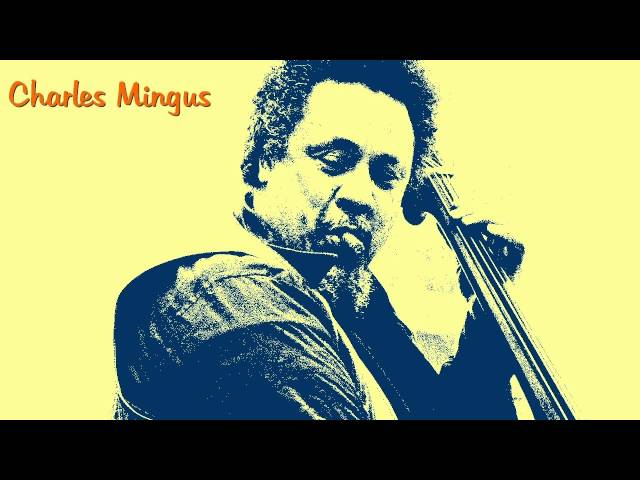
Included on Mingus Ah Um (1959).
This piece is a tribute to Lester Young, whom Mingus deeply admired.
With its bluesy aroma and an air of intelligence and elegance, I’d say this track represents Mingus at his finest.
Jeff Beck also covered it—his rendition goes in a very dark, gritty direction.