

Famous pieces recommended for opera beginners. Recommended opera songs.

Opera, also known as music drama or grand opera, is a genre considered the most comprehensive of the performing arts within classical music.
Among its famous pieces are Nessun dorma from Turandot and the Toreador Song from Carmen—melodies many people recognize even if they don’t know the operas themselves.
Opera has produced countless masterpieces, and here we’ll highlight introductory works that, by knowing the music, can serve as a gateway to understanding opera.
People often assume opera is difficult, but in fact its music is heard in everyday life and feels familiar.
As you learn about the stories and composers, you’ll find many themes that are engaging and relevant even today.
I’ve put together this list in the hope that more people will get to know it better.
I hope you’ll enjoy these works alongside great performances from around the world.
- Famous opera masterpieces | Featuring many great opera singers
- [Masterpiece Classics] A special showcase of gem-like masterpieces so beautiful they’ll move you to tears
- Mozart: An Introduction to His Signature and Popular Works
- Classical Masterpieces: Recommended Works You Should Hear at Least Once
- Handel’s Masterpieces | A Comprehensive Introduction to His Popular Works
- [Claudio Monteverdi] Introducing Famous and Representative Works
- Classic masterpieces recommended for women
- Classical masterpieces. Recommended classical music.
- Cool classical masterpieces. Recommended classical music.
- Classical piano masterpieces: legendary performances from around the world you should hear at least once
- Masterpieces of the Romantic Era: A sweeping introduction to soul-stirring, celebrated gems!
- [Classical] A comprehensive introduction to famous love pieces: recommended popular works
- [Orchestra] Introducing famous and popular pieces
Recommended masterpieces for opera beginners. Recommended opera pieces (21–30)
Elsa’s Procession to the Cathedral from the opera LohengrinWilhelm Wagner

This piece, with its majestic and sacred atmosphere, unfolds at a leisurely tempo and is distinguished by its rich orchestration.
The harmony between brass and strings is beautiful, leaving listeners deeply moved.
Premiered in August 1850, the work depicts a scene from an opera, superbly conveying the protagonist’s purity and the solemnity of the ritual.
It is often used as background music for weddings and religious ceremonies and is beloved by many.
It is recommended not only for those interested in classical music but also for anyone seeking a beautiful melody that resonates with the heart.
Lulu’s SongAlban Berg
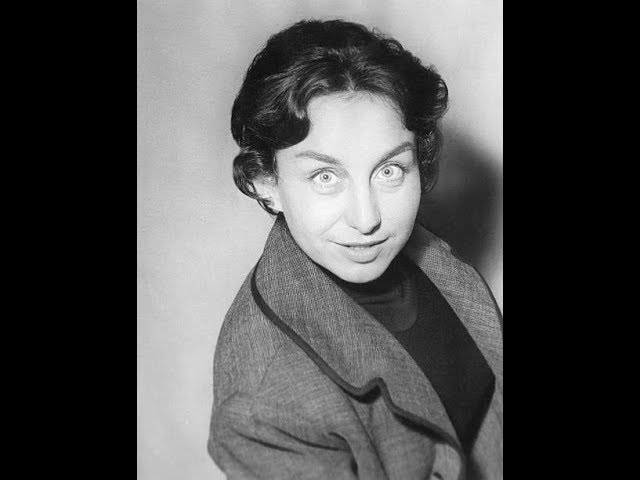
In the early 20th century, a group of composers known as the Second Viennese School employed new compositional techniques that did not rely on functional tonality.
Berg was one of the members of this Second Viennese School.
Lulu was his representative work, but after his death it was performed in an unfinished form.
Later, a complete three-act version was produced.
Masterpieces recommended for opera beginners. Recommended opera pieces (31–40)
Toccata from OrfeoClaudio Monteverdi

This is a work by the Italian composer Monteverdi, who led opera during the Baroque era.
His early masterpiece, L’Orfeo, was a great success, and this spurred the rapid development of opera.
This piece is the overture that plays at the beginning of the opera L’Orfeo, and it is a particularly well-known and famous overture.
Pantomime of DreamsEngelbert Humperdinck
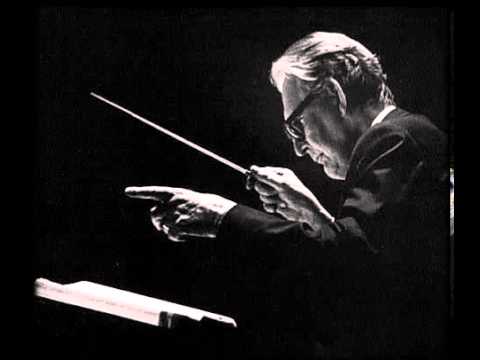
In Germany, few operas achieved major success after Wagner.
One work that did succeed in such a period was Humperdinck’s Hansel and Gretel.
It is counted among the Märchenoper (fairy-tale operas), a subgenre of German Romantic opera.
Daylight saving timeGeorge Gershwin

It is one of the most famous songs from the opera Porgy and Bess, composed by the American composer George Gershwin.
Summertime later came to be performed in jazz and pop as well, and it has become a popular piece among contemporary ballads.
The Carnival of RomeHector Berlioz

Berlioz was a French composer of the Romantic era.
He was not only a composer but also a music educator who left behind the renowned treatise used as a textbook, “Treatise on Instrumentation.” “Roman Carnival” is the prelude to Act II of the opera Benvenuto Cellini.
Ronde from “Elegant Indian Nations”Jean-Philippe Rameau
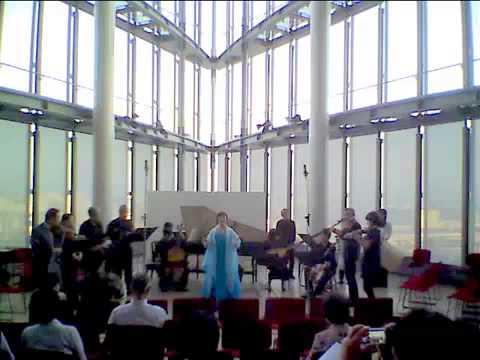
One of the composers who represent the French Baroque is Rameau.
Today, Rameau is well known for his contributions to music theory, but he was also the figure who, as Lully’s successor, developed French opera.
Les Indes galantes is a work in the genre of opéra-ballet, which was popular in the French Baroque.