



Opera, also known as music drama or grand opera, is a genre considered the most comprehensive of the performing arts within classical music.
Among its famous pieces are Nessun dorma from Turandot and the Toreador Song from Carmen—melodies many people recognize even if they don’t know the operas themselves.
Opera has produced countless masterpieces, and here we’ll highlight introductory works that, by knowing the music, can serve as a gateway to understanding opera.
People often assume opera is difficult, but in fact its music is heard in everyday life and feels familiar.
As you learn about the stories and composers, you’ll find many themes that are engaging and relevant even today.
I’ve put together this list in the hope that more people will get to know it better.
I hope you’ll enjoy these works alongside great performances from around the world.
- Famous opera masterpieces | Featuring many great opera singers
- [Masterpiece Classics] A special showcase of gem-like masterpieces so beautiful they’ll move you to tears
- Mozart: An Introduction to His Signature and Popular Works
- Classical Masterpieces: Recommended Works You Should Hear at Least Once
- Handel’s Masterpieces | A Comprehensive Introduction to His Popular Works
- [Claudio Monteverdi] Introducing Famous and Representative Works
- Classic masterpieces recommended for women
- Classical masterpieces. Recommended classical music.
- Cool classical masterpieces. Recommended classical music.
- Classical piano masterpieces: legendary performances from around the world you should hear at least once
- Masterpieces of the Romantic Era: A sweeping introduction to soul-stirring, celebrated gems!
- [Classical] A comprehensive introduction to famous love pieces: recommended popular works
- [Orchestra] Introducing famous and popular pieces
Famous pieces recommended for opera newcomers. Recommended opera pieces (1–10)
“Lascia ch’io pianga” from the opera RinaldoGeorg Friedrich Händel
An aria sung in the opera Rinaldo, it expresses the heroine’s sorrow in captivity and her longing for freedom.
The melody is simple yet laden with deep emotion, characterized by a gentle triple meter and a memorable, recurring melodic line.
Premiered in February 1711, this piece is part of Handel’s first Italian opera presented in England and served as a catalyst in establishing his international fame.
It is a recommended piece for those interested in the world of opera or wishing to experience the beauty of Baroque music.
Overture to the opera Guillaume Tell (William Tell)Gioachino Rossini
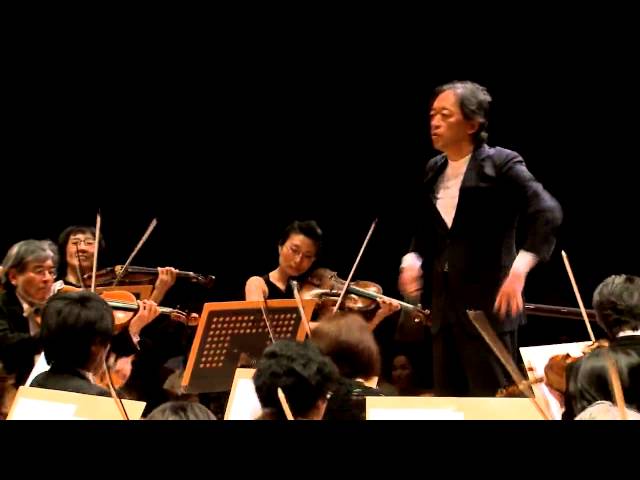
Gioachino Rossini was an Italian opera composer.
Among the operatic pieces he wrote, The Barber of Seville and William Tell remain so popular that they are frequently performed around the world today.
In particular, the William Tell Overture is widely recognized; it’s one of those pieces that makes you think, “Oh, I know this!” once you hear it.
Trumpets and horns play a fanfare, and the clarinet introduces the first motif.
Then the strings join in, and the music transforms into something grand.
Although it lasts only about three minutes, its brisk tempo and numerous intricate passages make it surprisingly virtuosic.
It’s a brilliant showcase for the orchestra, and you may find yourself wanting to shout “Bravo!” when it ends.
‘Un bel dì, vedremo’ (One Fine Day) from the opera Madama ButterflyGiacomo Puccini

Here is a famous aria from Madama Butterfly.
This piece is loved around the world, and since it’s used in films and commercials, many of you have probably heard it somewhere.
The protagonist’s pure love and poignant hopes are expressed through a beautiful melody.
Although it’s in an elegant 3/4 time, it has a relaxed feel, so when practicing, it’s helpful to count “one, two, three” as you sing.
Imagine the lyrics’ content and aim for a dreamy, sweet atmosphere—that’s the key.
It’s a recommended piece not only for those interested in opera but also for fans of film music.
More than a century after its 1904 premiere in Italy, it continues to move the hearts of many.
Elsa’s Procession to the Cathedral from Act 2 of the opera LohengrinRichard Wagner

This piece begins with a majestic melody and gradually builds in exhilaration.
It is also highly popular in the wind ensemble repertoire.
The pure lines of the woodwinds leave a strong impression, and as the chorale-like theme is repeated, the instrumentation and dynamics expand step by step.
Depicting Elsa’s procession to the cathedral for her wedding, it conveys both purity and anticipation for marriage.
Since its premiere on August 28, 1850, it has continued to captivate many listeners.
It is a recommended work not only for opera fans but also for wind band enthusiasts.
A true masterpiece for anyone who wants to savor a solemn atmosphere and beautiful melodies.
“Toreador Song” from the opera CarmenGeorges Bizet

This piece is striking for its powerful march rhythm and passionate melody.
It expresses the bravery and charm of the toreador Escamillo, evoking Spanish culture and the atmosphere of bullfighting.
The lively musical character depicts the audience’s fervor and the excitement of the bullring, captivating listeners.
Coupled with the orchestra’s brilliant accompaniment, it builds a structure overflowing with exhilaration.
Among the opera’s numbers, it is especially popular and is often performed on its own at concerts and across various media.
It is a masterpiece recommended for those interested in classical music or who enjoy passionate musical styles.
Premiered in Paris in March 1875, the piece was initially poorly received but later came to be esteemed as a world-renowned classic.
Nessun dorma from the opera TurandotGiacomo Puccini

Among operas, this aria is particularly famous and colors a crucial scene as the story moves toward its climax.
It expresses Prince Calaf’s inner resolve, his certainty of victory, and his deep love for Princess Turandot, all conveyed through a majestic melody.
Because it demands great technical skill and expressive power, many tenors have taken on the challenge.
Premiered in 1926 in Milan, Italy, this work is a three-act opera set in ancient Beijing, China.
Loved not only by opera enthusiasts but by a wide audience, it has been featured in films, television, and concerts.
It is a highly recommended piece for anyone interested in opera or seeking moving, inspirational music.
Polovtsian Dances from the opera Prince IgorAlexander Borodin

It is one of the most popular pieces from the opera Prince Igor.
Its exotic-sounding melody and powerful rhythms are distinctive, and the orchestra’s brilliant sonorities captivate listeners.
Depicting a dance performed to console the captive Prince Igor, the music overflows with an air of the exotic and draws the audience into the world of the story.
Since its premiere in St.
Petersburg in November 1890, this masterpiece has continued to be loved by many.
It is enjoyable not only within the opera as a whole but also as a standalone concert piece, making it a highly recommended work for anyone interested in classical music.