

Insect trivia quiz: A collection of fun facts and questions about bugs for children.

Insects we often see around us, like rhinoceros beetles and stag beetles.
Some families might even be keeping insects at home! In this article, we’ll present trivia about the many insects close to our daily lives in the form of a quiz.
Take a look and see how many questions you can get right! If you come across a question you don’t know the answer to, take the opportunity to learn the trivia and deepen your knowledge of insects.
- [For Elementary School Students] 3-Choice Quiz to Deepen Knowledge of Living Things
- A roundup of insect trivia: fun facts you'll want to share
- [Common Sense & Trivia] True-or-False Quiz with Knowledge for Elementary School Students
- [For Kids] November Trivia Quiz & Fun Facts: Let’s Learn While Having Fun!
- [Animal Quiz] Learn about animals through quizzes!
- Do you get tripped up too? A fun roundup of 10-time quiz questions
- [For Elementary School Students] Animal Quiz to Learn Knowledge and Fun Facts
- Trivia quiz with useful tips to know: fun facts that come in handy at school or at home [for kids]
- September Trivia Quiz & Fun Facts! A Fun Autumn Quiz for Kids
- [For Kids] January Trivia Quiz & Fun Facts: Learn About the New Year in a Fun Way
- [For Kids] ONE PIECE Trivia & Fun Facts Quiz
- Fun October Trivia Quiz & Facts! Exciting Questions for Kids
- Trivia you think you know but surprisingly don’t? August trivia and fun facts quiz!
Insect Trivia Quiz: A Collection of Kid-Friendly Bug Facts and Questions (1–10)
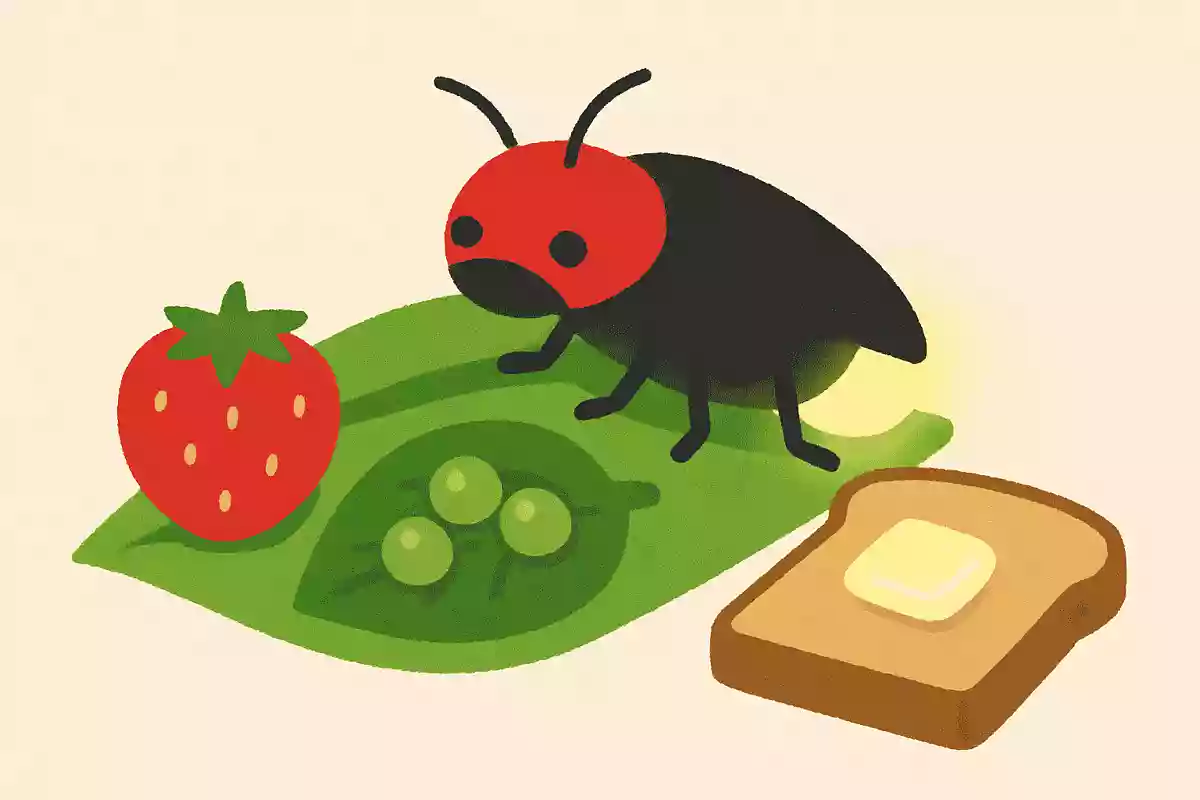
What do adult fireflies eat?
- leaf
- spiral shell
- Eat nothing
See the answer
Eat nothing
Many adult fireflies have short lifespans and spend their adult stage without eating. Therefore, once they become adults, they do not feed. Incidentally, firefly larvae live in water and eat a type of freshwater snail called kawania (Semisulcospira) that lives in rivers.

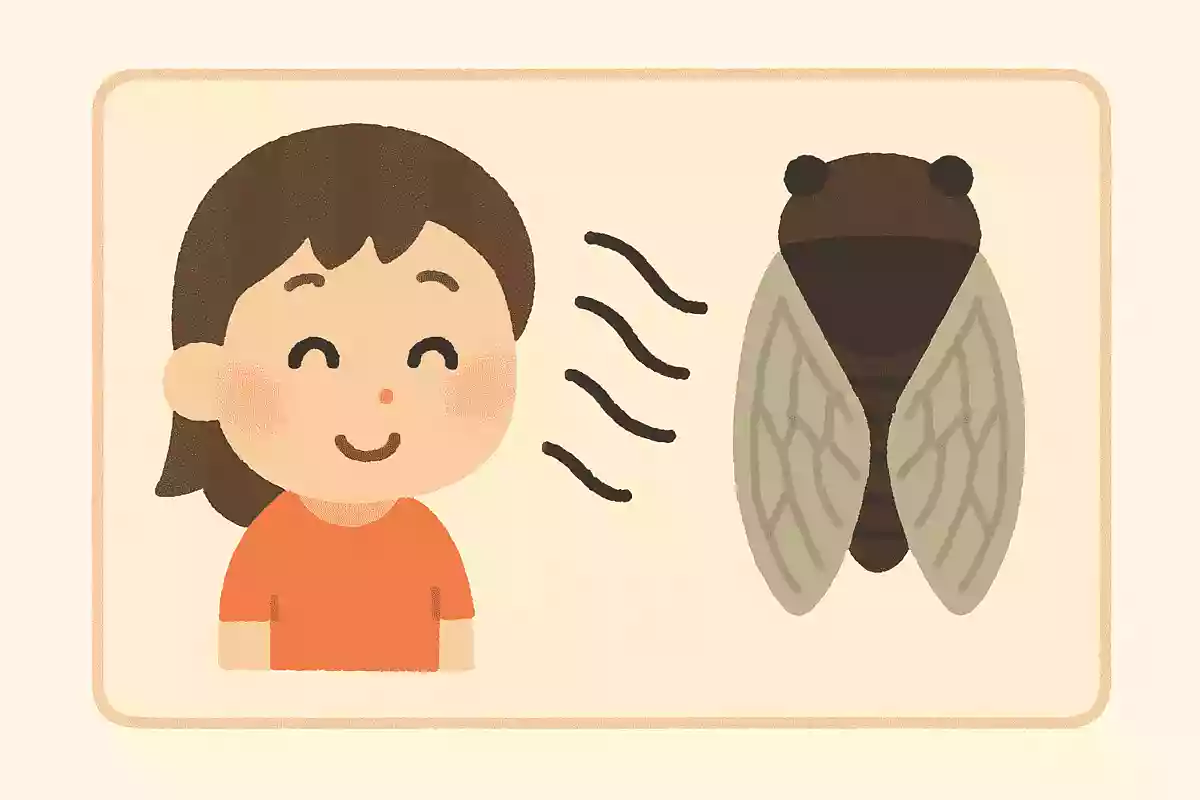
Which of the following statements about cicada sounds is correct?
- Only the males sing
- to vocalize to intimidate enemies
- They cry regardless of the time of day.
See the answer
Only the males sing
Male cicadas produce distinctive calls to attract females. For this reason, only male cicadas sing. Also, the time of day when cicadas call is generally determined by the species.
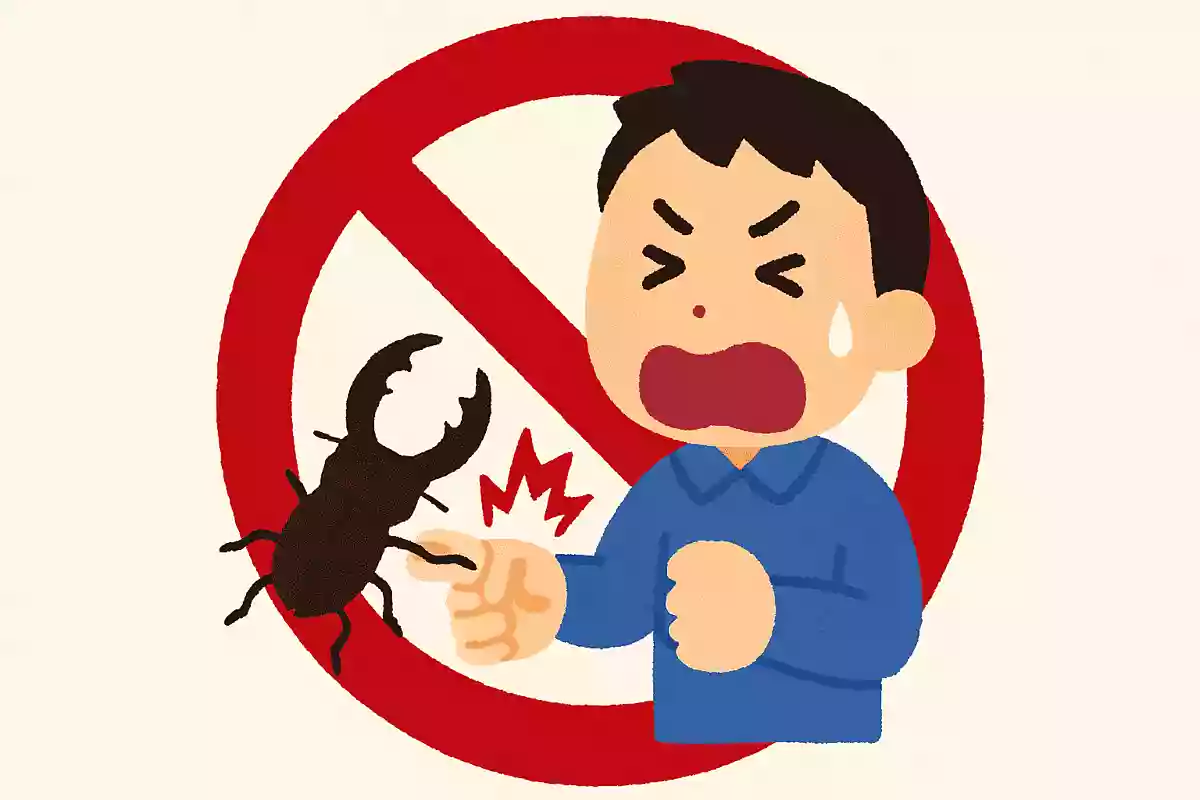
What should you never do if you get pinched by a stag beetle?
- to flail the trapped hand
- Dip the stag beetle in water
- Set it on the ground to stabilize it
See the answer
to flail the trapped hand
If you wave your hand around when a stag beetle is pinching you, it may get more excited and clamp down harder. If a stag beetle pinches your hand, set it on the ground to calm it, or, if it still won’t let go, dip it in water and it will release.
Insect Trivia Quiz: A Collection of Kid-Friendly Bug Facts and Questions (11–20)
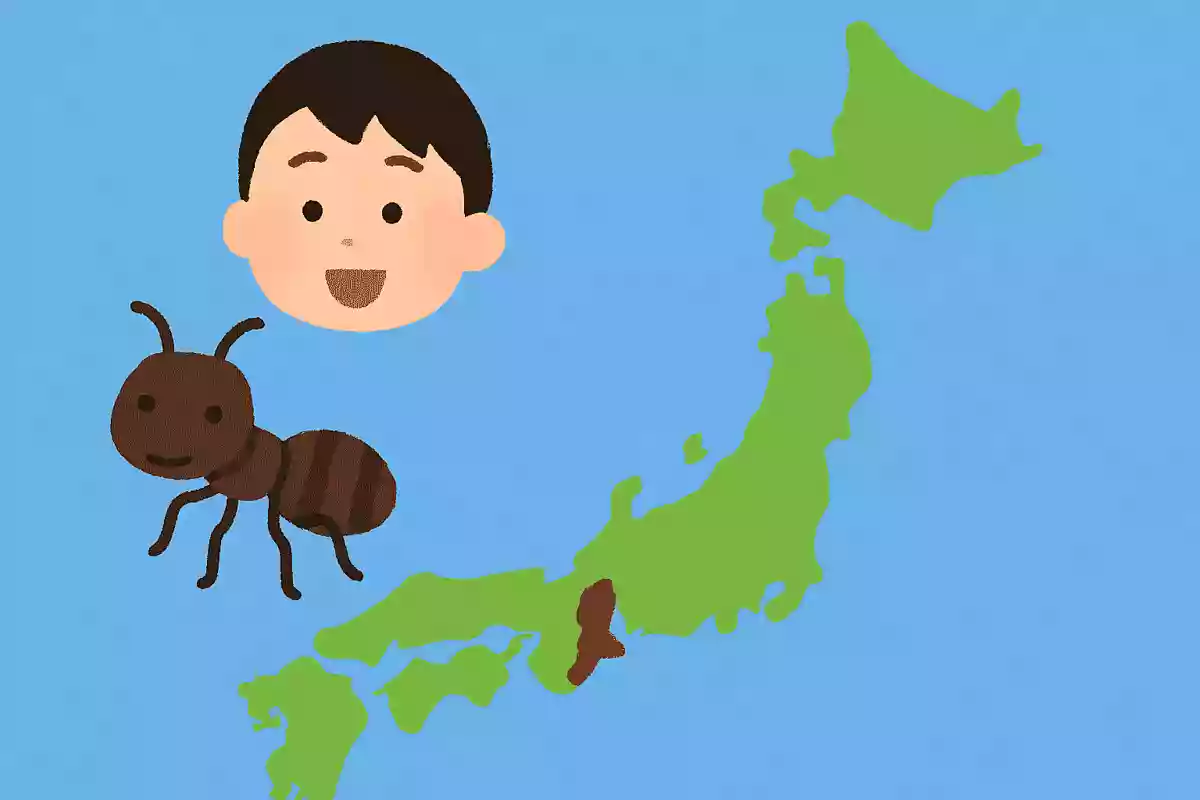
Which prefecture in Japan has the greatest number of ant species?
- Nagano Prefecture
- Tottori Prefecture
- Okinawa Prefecture
See the answer
Okinawa Prefecture
Okinawa Prefecture is blessed with a warm climate and rich natural environment, and it has the greatest diversity of ant species in Japan. Of the roughly 300 ant species identified in Japan, more than half—over 160 species—are said to live in Okinawa.
What is the powder on a moth’s wings?

- pollen
- pollen
- salt
See the answer
pollen
The powder that looks like dust on the wings of moths and butterflies is called scales, and it covers the entire surface of their wings. These scales are said to reduce air resistance during flight and help protect the body from predators. Once the scales come off, they do not grow back.
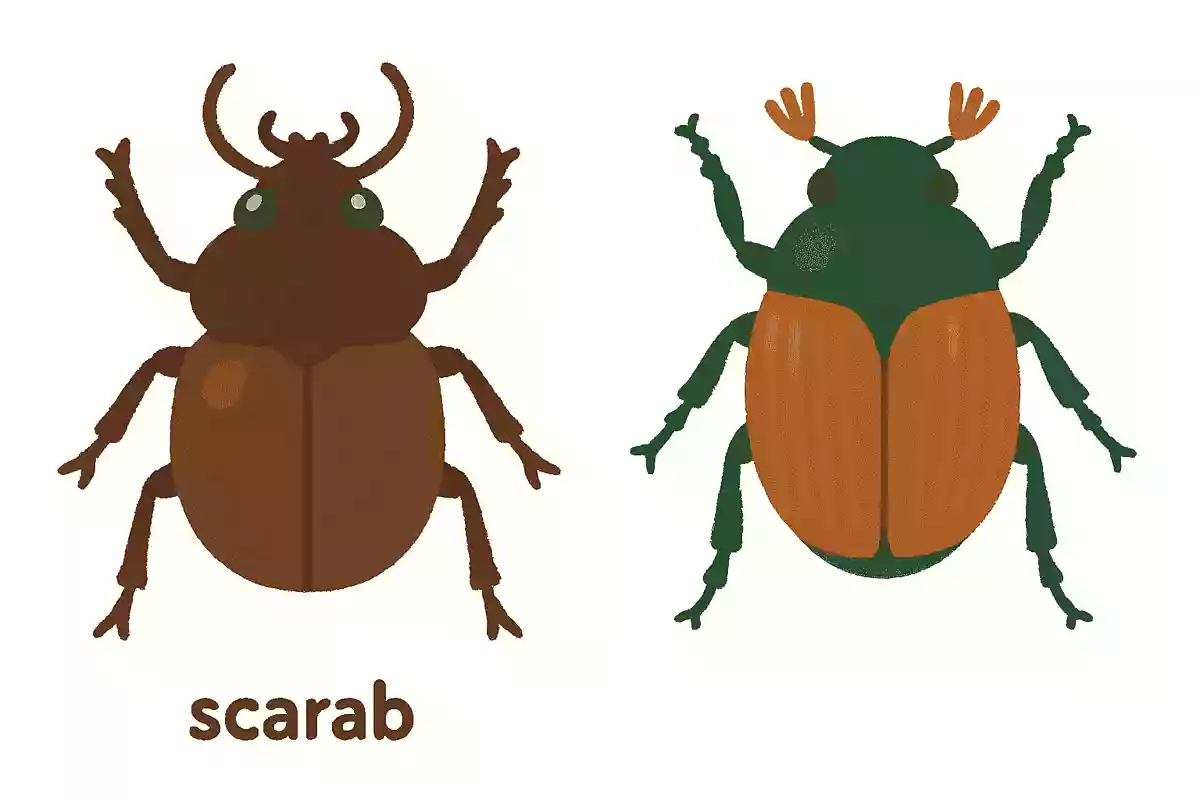
What are the visual (appearance) differences between the flower chafer (kanabun) and the scarab beetle (koganemushi)?
- The drone beetle is green, and the scarab beetle is yellow.
- The golden beetle has a large abdomen.
- A drone beetle’s body is square, and a scarab beetle’s body is round.
See the answer
A drone beetle’s body is square, and a scarab beetle’s body is round.
While the beetle known as Kanabun has a relatively straight, angular body shape, the scarab beetle (Kogane-mushi) has an overall rounder form. This is the biggest difference in appearance. As for body color, Kanabun are often green or brown, whereas Kogane-mushi are most commonly green.
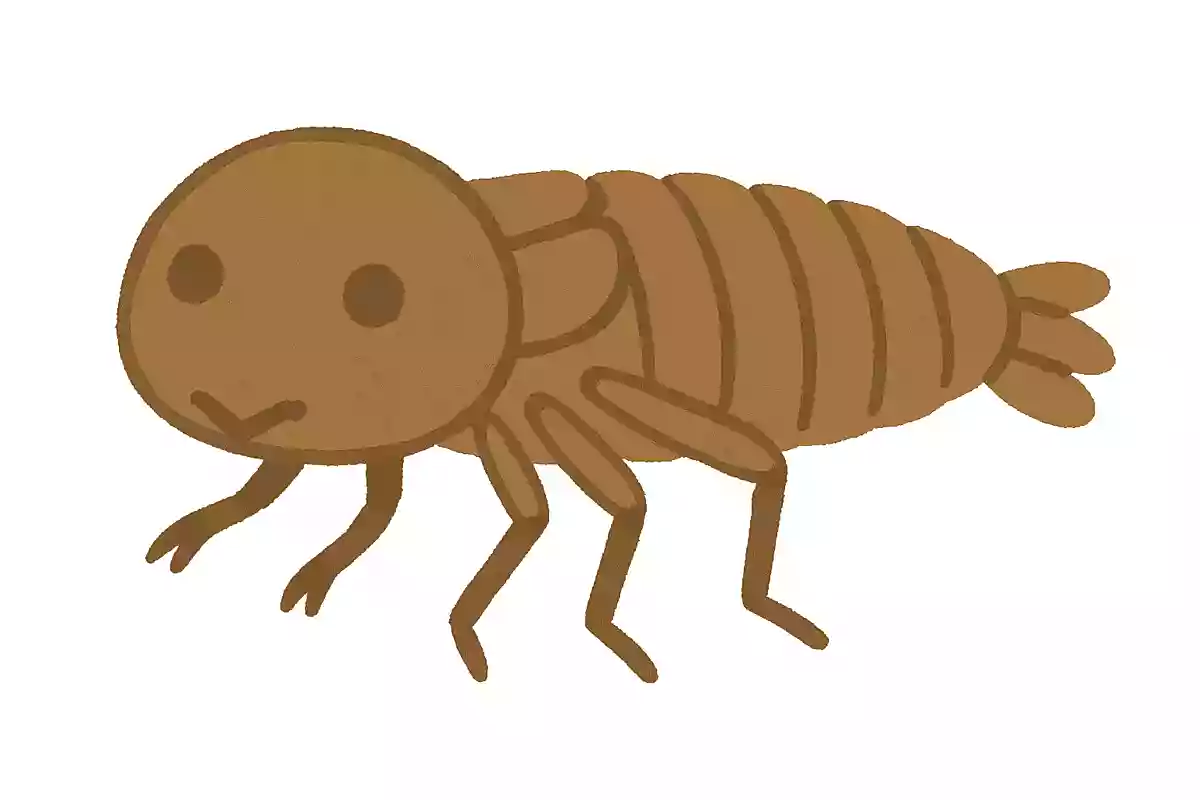
What are dragonfly larvae called?
- amphipod
- mayfly
- dragonfly nymph
See the answer
dragonfly nymph
Dragonfly larvae are called nymphs and live mainly underwater. Nymphs grow by eating other small aquatic creatures, and when mature, they rise to the water’s surface, emerge, and become adult dragonflies. The name “yago” came to be used from the idea of being the child of a “yanma,” which refers to dragonflies.